






 Portuguese
  Spanish


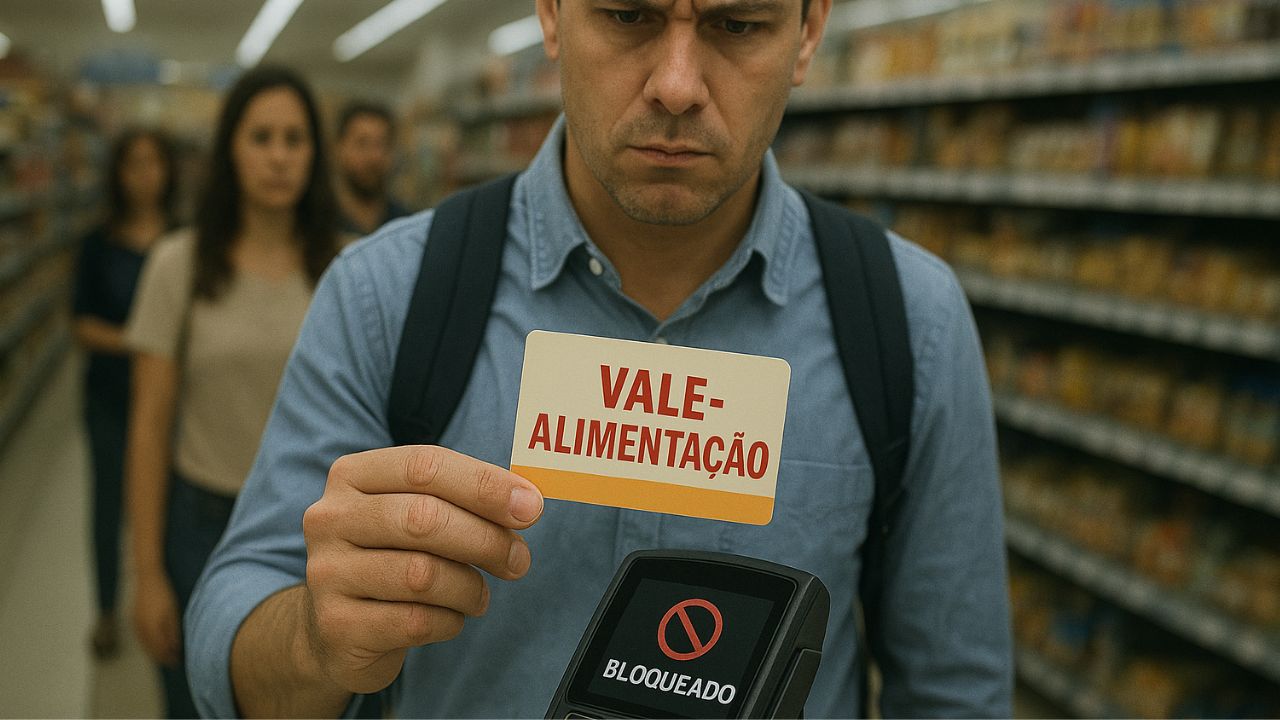


BK Bank, Investigated for Involvement with PCC, Causes Blockages in Food Vouchers for Public Servants in Several Cities.
Thousands of public servants across Brazil are facing difficulties using food vouchers due to instabilities caused by BK Bank, a financial institution under investigation for suspected money laundering linked to PCC (Primeiro Comando da Capital).
The problem, which gained traction after a joint operation by the Federal Police and the Public Ministry at the end of August, directly affects the use of benefits in commercial establishments in various cities, such as Campo Mourão (PR) and Uberaba (MG).
The situation has generated a chain reaction, with supermarkets refusing to accept the bank’s cards, companies taking legal action for non-payment, and city halls seeking alternatives to ensure that servers receive the amounts owed.
-
China Tightens Control on Antimony, Driving Prices from $22,000 to Nearly $40,000 per Ton as U.S. Rushes to Bolster Strategic Reserves

-
BlackRock Freezes $1 Billion in Brazilian Renewable Energy, Impacting 1.5 GW of Planned Projects and Highlighting Investor Concerns Over Infrastructure Bottlenecks Cutting Up to 25% of Solar and Wind Generation
-
Labor Shortage: Despite Record Average Salary, 90% of Brazilian Bar and Restaurant Owners Struggle to Hire Key Roles Like Sushi Chefs and Head Cooks

-
Supermarket Deli Counter Attendants in Brazil Could Earn Over $2,100 Monthly by 2026, Plus Benefits Package


The case exposes a deeper issue: the infiltration of organized crime into the financial system, especially in fintechs — technology companies focused on banking services.
Supermarkets Reject BK Bank’s Food Vouchers After PF Operation
Shortly after the police operation targeting BK Bank, at least five supermarkets in Campo Mourão began refusing the food voucher cards from the institution.
The only reason declared by the establishments was a “system instability.”
However, the decision came in the wake of the revelation that the bank is suspected of operating a money laundering scheme in partnership with PCC, moving around R$ 982 million between 2019 and 2024.
The city hall confirmed that about 3,000 servers are impacted and promised to compensate the blocked amounts.
In Uberaba, the situation is similar: 15 companies have taken the Justice system to try to recover the amounts that the institution failed to transfer.
Small Businesses and Servants Accumulate Losses
Cases like that of merchant Liliane, who owns a restaurant in Uberaba, show the direct impact of the crisis. According to her, BK Bank failed to transfer R$ 4,000 related to the use of the card at her establishment.
“They said they would get back to us in 24 hours, but that didn’t happen. Later, we found out they stopped paying for the entire city,” she reported.
Municipal servers also report blocked credits. This is the case of Carlos, who claims to have R$ 2,000 stuck on his card. “I went to make a purchase and the card simply stopped working. I was left without access to the benefit,” he said.
Government and Public Institutions Terminate Contracts with BK Bank
In light of the investigations, various public bodies are reviewing their relationships with BK Bank. Cities such as Betim (MG), Ribeirão Preto (SP), and Birigui (SP) have terminated contracts with the institution.
The states of Paraná and Mato Grosso have halted partnerships in social programs that involved using the bank for the transfer of benefits.
The fintech, which claims to currently have 112 active contracts with the public sector, also maintained agreements with institutions such as Correios, the Army, the Chamber of Deputies, and the Federal Senate — in the latter case, only for the provision of payment machines.
While Correios and the Chamber announced suspension or analysis for contract termination, the Army opened a process to investigate possible irregularities.
The Senate informed that the contract was already in the final phase and would be replaced, regardless of the investigations.
BK Bank Claims to Be an Honest Institution and Attempts to Release Blocked Amounts
When contacted, BK Bank did not grant an interview but issued a statement through its law firm.
The fintech stated that it is taking legal measures to release the amounts blocked by the Justice, arguing that the funds belong to public bodies and commercial establishments, and should not be subject to such blocking.
According to the statement, the company declared itself to be an honest institution, fully compliant with the rules of the Central Bank, and denied having knowledge of or participation in any criminal practices.
Regarding the affected cities, the bank stated that transactions with Campo Mourão have already been normalized and that it is in the process of restoring the flow of payments in Uberaba.
Experts Warn About Infiltration of Organized Crime in Fintechs
The president of the Brazilian Fintech Association (ABFintechs), Diego Perez, warned that the operation of organized crime in formal economic sectors has become a concerning reality.
According to him, while the fintech sector has modernized access to the banking system, the technological sophistication can also be used to track criminal activities.
“Fintechs have very advanced systems and can become important tools in combating organized crime. They are already collaborating with authorities and must continue investing in security and transparency,” he highlighted.


