






 Portuguese
  Spanish



Engineers Will Have More Time Available to Develop Projects Through Technology
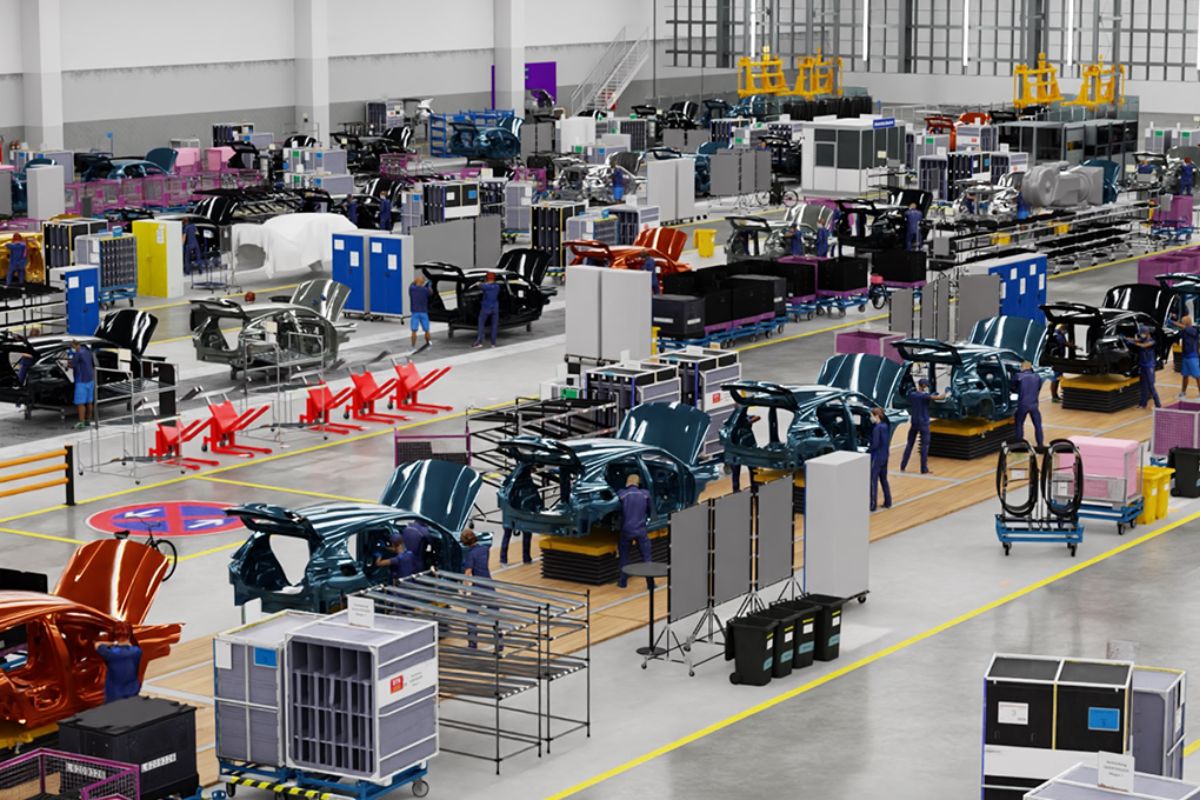
BMW is preparing to inaugurate a virtual factory that will change the way cars are designed, developed, and manufactured. In partnership with Nvidia, the German car manufacturer is using cloud computing technology to create a virtual factory.
In this way, BMW engineers will be able to work more quickly, collaboratively, and efficiently. The company’s new virtual factory is a significant step forward for the automotive industry and has the potential to revolutionize the car manufacturing process.
Learn More About This Great Virtual Car Factory from BMW with the Video Below
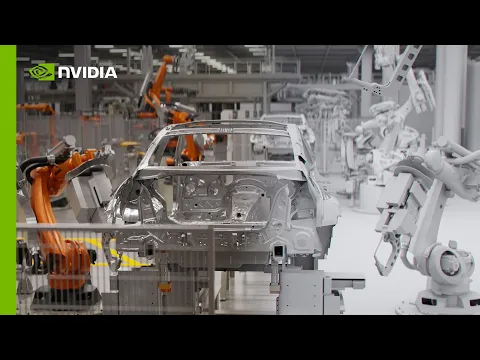

The Partnership Between BMW and Nvidia for the New Virtual Factory
Nvidia is a leader in graphics processing technology and has been working with BMW for some time. The German automotive company has used Nvidia’s graphics processing technology in its self-driving cars and is now using the company’s technology for the new virtual factory.
-
Brazilian Factory Restores Truck Engines and Parts, Reducing Raw Material Use by Up to 85% After 80 Years in Business

-
British Marines Set Record by Changing Ford Escort Engine in 42 Seconds, Unbroken for 40 Years

-
BYD Owners in Brazil Raise Concerns Over Warranty After 87,000 km, Two Repairs in Three Days, and Over $500 in Costs

-
Classic Volkswagen Beetles of Brazilian Presidents to Swap Museums in Historic Partnership


Nvidia is providing BMW with its DGX graphics processing system, which utilizes cloud computing to deliver high-speed processing power. BMW’s new virtual factory will leverage Nvidia’s cloud computing technology to enable its engineers to collaborate more quickly and efficiently.
BMW’s New Virtual Factory Will Be More Efficient and Faster
BMW’s new virtual factory will be a great leap forward for the automotive industry. Cloud computing technology will allow BMW engineers to work together more quickly and efficiently, eliminating the need for frequent travel and reducing the time required to design and develop new car models.
Moreover, the new virtual factory will enable BMW to test its new car models in a virtual environment before building them, saving time and money in the development process. Additionally, this encourages sustainable production with reduced materials.
BMW’s New Virtual Factory Will Revolutionize the Car Manufacturing Process
The new virtual factory has the potential to revolutionize the car manufacturing process. With Nvidia’s cloud computing technology, BMW will be able to design, develop, and manufacture new car models in a virtual environment, eliminating the need to build physical prototypes.
This will significantly reduce the time and costs involved in the car manufacturing process. Furthermore, the new virtual factory will allow the company to produce customized cars to meet customer needs more quickly and efficiently.
BMW is One of the Largest Car Companies in the World
BMW is a luxury vehicle manufacturer of German origin that has a strong presence in the Brazilian market. Additionally, apart from providing cars for Brazilian consumers, the company has also invested in job generation in the country.
The multinational began its operations in Brazil in 1995, with the opening of its first factory in Araquari, Santa Catarina. Currently, the automaker employs about 5,500 staff in the country, distributed among production and sales units.
BMW’s factory in Araquari is responsible for producing models such as the BMW Series 3, BMW X1, and BMW X3, which are sold both in the domestic market and exported to other countries. The plant has a production capacity of 32,000 units per year and is considered one of the most modern in the world.
In addition to vehicle production, BMW also invests in other areas of the automotive sector, such as the manufacturing of parts and components for its cars. However, this strategy has contributed to strengthening the production chain of the sector in the country, generating jobs in various regions of Brazil.
The automaker has also formed partnerships with universities and educational institutions to foster the development of innovative technologies in the automotive sector. This initiative not only contributes to the training of qualified professionals but also helps to boost the country’s economy.


