Portuguese
  Spanish


The unprecedented partnership between the two institutions will bring together the public of São Paulo and Campos do Jordão with two cars that have spanned decades, governments, and different phases of the national automotive industry
Few cars carry as much symbolism in Brazil’s history as the Beetle. Not by chance, two examples especially linked to decisive moments in politics and the national industry will temporarily change addresses starting in August. The Volkswagen Garage and the CARDE Museum announced their first partnership, which will promote the exchange between two of the most important vehicles in the country’s history: the Beetles that were directly linked to former presidents Juscelino Kubitschek and Itamar Franco.
According to information released by CNN Brazil, starting August 3, 2026, the memory department of the German automaker and the museum located in Campos do Jordão (SP) will swap these two relics. In this sense, the initiative was designed to celebrate two important dates for the Brazilian automotive sector this year: the 30th anniversary of the end of production of the so-called “Itamar Beetle,” which ended in 1996, and the 40th anniversary of the end of the first phase of the model’s manufacturing in Brazil, which occurred in 1986.
Two cars, two presidents, two phases of the automotive industry
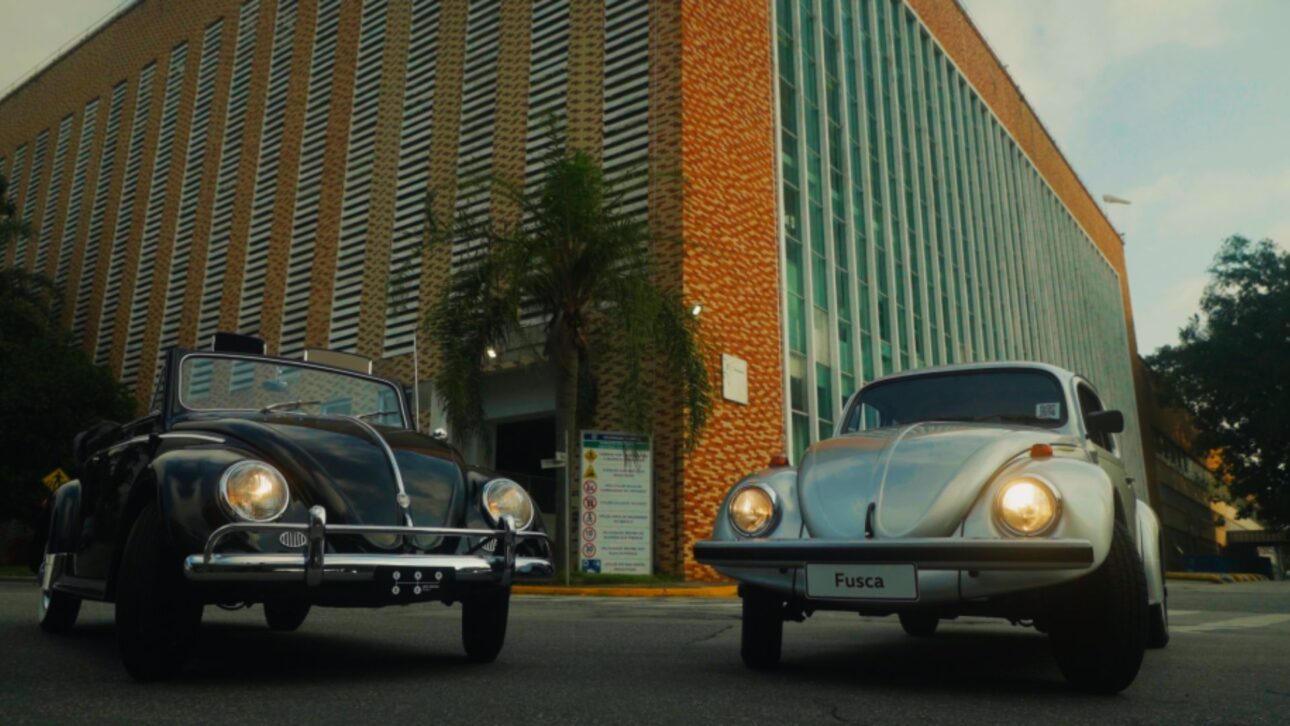
On one side is the 1959 Convertible Beetle, a vehicle used by then-president Juscelino Kubitschek during the inauguration of Volkswagen’s first factory outside Germany, built in São Bernardo do Campo (SP) that same year. The car currently belongs to the CARDE Museum collection. On the other side is the Itamar Beetle, with chassis 001 — the first example produced during the model’s manufacturing resumption in 1993, presented to then-president Itamar Franco during the official ceremony that marked the return of the assembly lines at the Anchieta factory. This second car is preserved by the Volkswagen Garage.
-
British Factory Transitions from Mechanical Parts to Producing 420,000 Electric Power Units Annually, Supplying 70% of Ford’s Electric Cars Sold in Europe

-
Toyota Shifts from Hybrid Cars to Electric Air Taxis with Joby’s 6-Rotor Aircraft, Capable of 322 km/h, Aiming for Mass Production to Electrify Urban Skies

-
Ferrari Unveils Limited Edition 12Cilindri Manuale: 6.5-Liter V12, 830 HP, 0-100 km/h in 2.9 Seconds, Top Speed Over 340 km/h, Only 1,499 Units Available

-
Discover the 2021 Fiat Cronos 1.3: Affordable Maintenance, Reliable Mechanics, and Fuel Efficiency of Up to 15.6 km/l


Meanwhile, the logic of the exchange works like a mirror: the Itamar Beetle will leave ABC Paulista to be temporarily displayed at the CARDE Museum in Campos do Jordão, while the JK Beetle will make the reverse journey, occupying the exhibition space at the Volkswagen Garage in São Bernardo do Campo. On the other hand, more than just a simple logistical movement between collections, the initiative represents the rapprochement between two institutions dedicated to preserving Brazilian automotive memory, allowing audiences from different regions to have direct contact with pieces that, until then, remained restricted to their original collections.
A film to tell the story behind the exchange
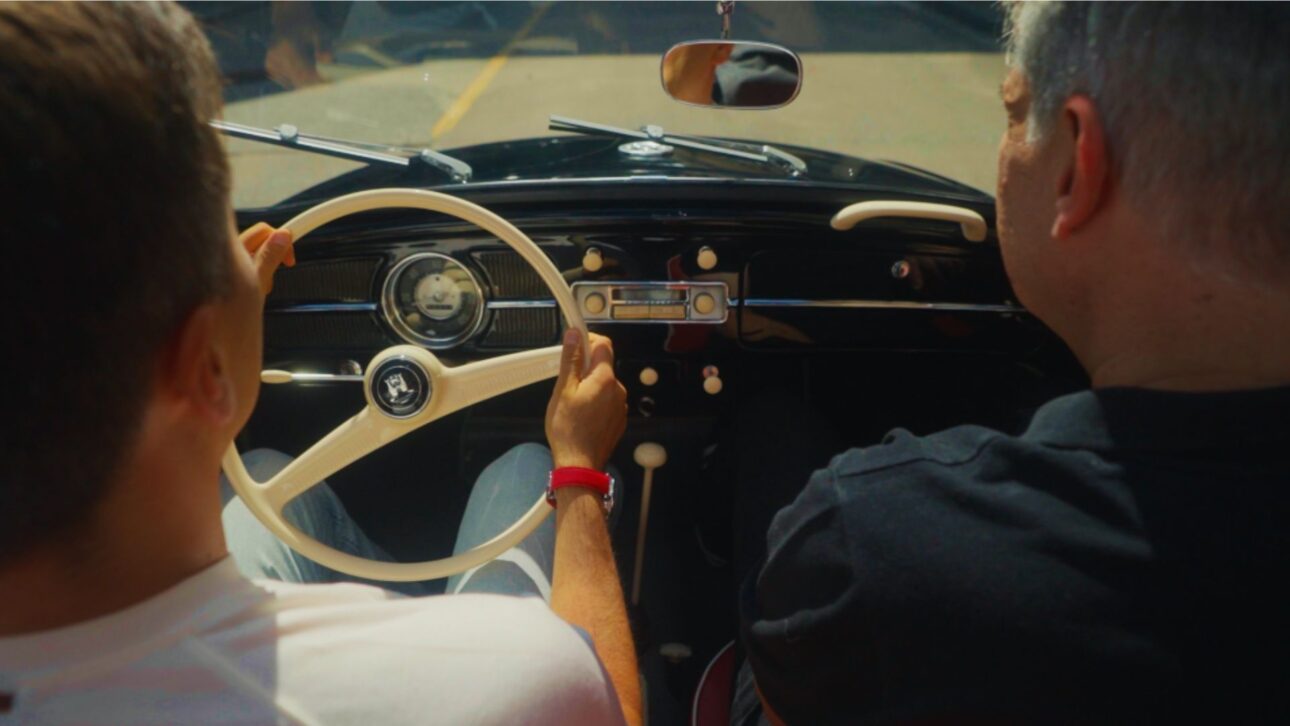
However, the partnership is not limited to the physical movement of the vehicles. To mark the occasion, the two institutions produced the documentary “Two Beetles, Two Presidents,” which follows the symbolic movement of the cars between their new temporary destinations. The film features Ciro Possobom, president and CEO of Volkswagen do Brasil, and Luiz Goshima, director of the CARDE Museum.
According to Possobom, the partnership with the CARDE Museum shows how Volkswagen’s history in Brazil also intertwines with the country’s own development history. Still according to the executive, the Beetle has crossed generations, was present in significant moments of the national industry, and continues to evoke an emotional connection among people — and bringing these two historic cars together serves as a way to preserve memory, share legacy, and create new stories for the Brazilian public.
Even so, it is worth highlighting the symbolic significance of each of the cars within this narrative. While Kubitschek’s Beetle refers to the birth of the national automotive industry in the late 1950s, Itamar Franco’s Beetle represents precisely the moment when the model, a symbol of an era, gained a second life in the 1990s after years out of production. Together, the two pieces form an almost complete portrait of the Beetle’s trajectory in Brazil — from the beginning of local assembly to the nostalgic revival that moved an entire generation of Brazilians.