Portuguese
  Spanish


BNDES Announces New Billion-Dollar Investments in Equities by 2025, Allocating Direct Funds and Through Funds to Accelerate the Green Economy, Encourage Innovation, and Support the Ecological Transition in Brazil With a Focus on Decarbonization
BNDES, through BNDESPar, announced on Monday (1) that it will invest up to R$ 10 billion in equities by the end of the year. Of this amount, R$ 5 billion will be allocated directly to companies with projects aligned with the ecological transition, decarbonization, and innovation, while the other R$ 5 billion will be invested through investment funds, making it one of the largest public calls in the bank’s history.
BNDES Invests in Sustainable Funds to Boost the Green Economy
After nearly a decade of restructuring focused on divestments, the resumption of investments in equities marks a significant strategic shift. The goal is to boost Brazil’s capital market and support companies with sustainable initiatives, increasing access to capital for projects that combine competitiveness with positive environmental impact.
This shift demonstrates that BNDES seeks not only to finance large groups but also to stimulate innovation in emerging sectors that contribute to the decarbonization of the national economy.
-
Green Roofs on Homes Gain Popularity for Reducing Heat, Noise, and Rain Impact in Brazil

-
Brazilian promises his children to save a river, creates an eco-barrier in his backyard, has already removed more than 40 tons of trash from the water, and even inspires the idea in other states of the country.

-
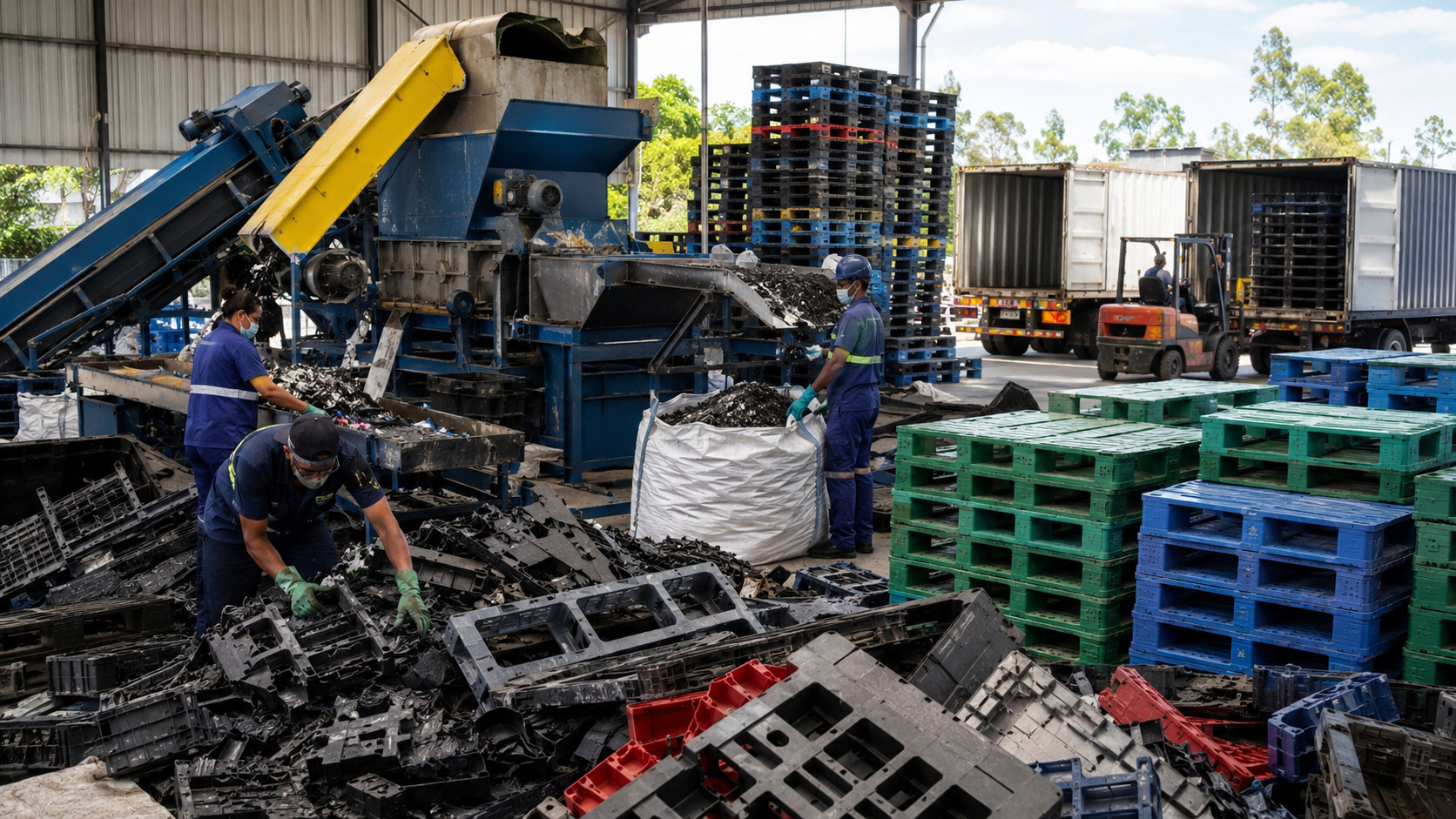
How a Brazilian company created a system that transforms broken pallets of any brand into new assets, recycles 80 tons of plastic per month, and found a profitable solution to a problem that challenges industries across the country.
-
Invasive bullfrog capable of devouring other amphibians and laying up to 20,000 eggs is found in Florianópolis, raising an alert about the threat to native fauna.



How the R$ 10 Billion Investment Will Be Made
BNDESPar’s plan is divided into two complementary fronts. On one hand, R$ 5 billion will be directly applied in companies, with calls open until December 2025. On the other hand, R$ 5 billion will be directed through investment funds, expecting to leverage up to R$ 15 billion in private resources.
This structure seeks to balance impact and diversification, reducing risks and ensuring that public money is multiplied by private contributions.
Direct Investments in Companies for Innovation and Decarbonization
BNDES will prioritize companies with projects aligned with the climate agenda, technological innovation, and energy transition. Among the selection criteria are:
- solid financial viability;
- adherence to emission reduction commitments;
- ability to scale innovative solutions.
This model represents a shift from the past, when the bank was criticized for relying on “national champions.” Now, the focus is on technical criteria, transparency, and diversity of supported sectors.
Funds for Investments in Sustainable Solutions
The most relevant public call will be launched during COP-30 in Belém. Known as the Climate Call, it aims to select investment funds specializing in energy transition, nature-based solutions, and low-carbon technologies.
The expectation is that every real invested by BNDES attracts up to three times that value in private investor resources. Thus, investments in sustainable solutions could exceed R$ 30 billion in no time, creating a virtuous circle between public and private capital.
Aspects of the New Strategy and Ecological Transition in Brazil
BNDESPar’s equity strategy is structured around five lines of action:
- Green Agenda – support for companies linked to the ecological transition in Brazil and environmental innovation.
- Strategic Partnerships – joint action with funds and investors to expand reach.
- Public Offers – participation as an anchor investor in medium-sized company IPOs.
- Private Offers – support for the structuring of growth plans for promising companies.
- Proprietary Allocation – active management of the portfolio aimed at financial return and sustainability.
This model allows for risk diversification and expands the bank’s reach, fostering both established companies and emerging startups and businesses.


Understand the Importance of Green Investments
In the last two years, BNDES had already launched public calls for funds focused on critical minerals, biotechnology, and energy transition. Currently, BNDESPar is participating in 53 active funds, with around R$ 8 billion directly committed and R$ 27 billion of mobilized private investors.
The difference now is the scale and prioritization of the climate agenda. At the same time, the bank seeks to correct past failures when the lack of objective criteria resulted in criticism and losses. The new strategy emphasizes transparency, governance, and impact reporting.
Innovation and Decarbonization as Pillars
The initiative also reinforces BNDES’s role in supporting strategic sectors related to technology and sustainability. The bet on innovation and decarbonization goes beyond simple resource allocation: it aims to create a favorable ecosystem for Brazilian companies to develop clean technologies, improve their energy efficiency, and enhance international competitiveness.
This approach can strengthen national production chains, reduce dependence on imports in critical areas, and generate qualified jobs in the country.
BNDES Makes Green Investments With Multiplicative Effect
The expected impact goes beyond the announced R$ 10 billion. As each public investment tends to attract new investors, the multiplicative potential can triple the volume of capital allocated to sustainability.
This means that, if successful, the initiative could channel more than R$ 30 billion into the Brazilian green economy by 2026. This volume is essential for the country to advance in emission reduction commitments made in international agreements and position itself as a leader in low-carbon solutions.
What to Expect in the Coming Years for the Ecological Transition in Brazil
BNDESPar’s strategy indicates that the bank wants to regain prominence in the capital market without repeating past mistakes. The emphasis on sustainable funds, innovation, and governance suggests a more technical, diversified, and transparent action.
If the mobilization of private capital occurs as expected, Brazil will have one of the largest sustainability financing programs in Latin America in a few years. This could boost sectors such as renewable energies, clean transport, sustainable agribusiness, and bioeconomy, reinforcing the country’s role as a global reference in the green economy.