Portuguese
  Spanish


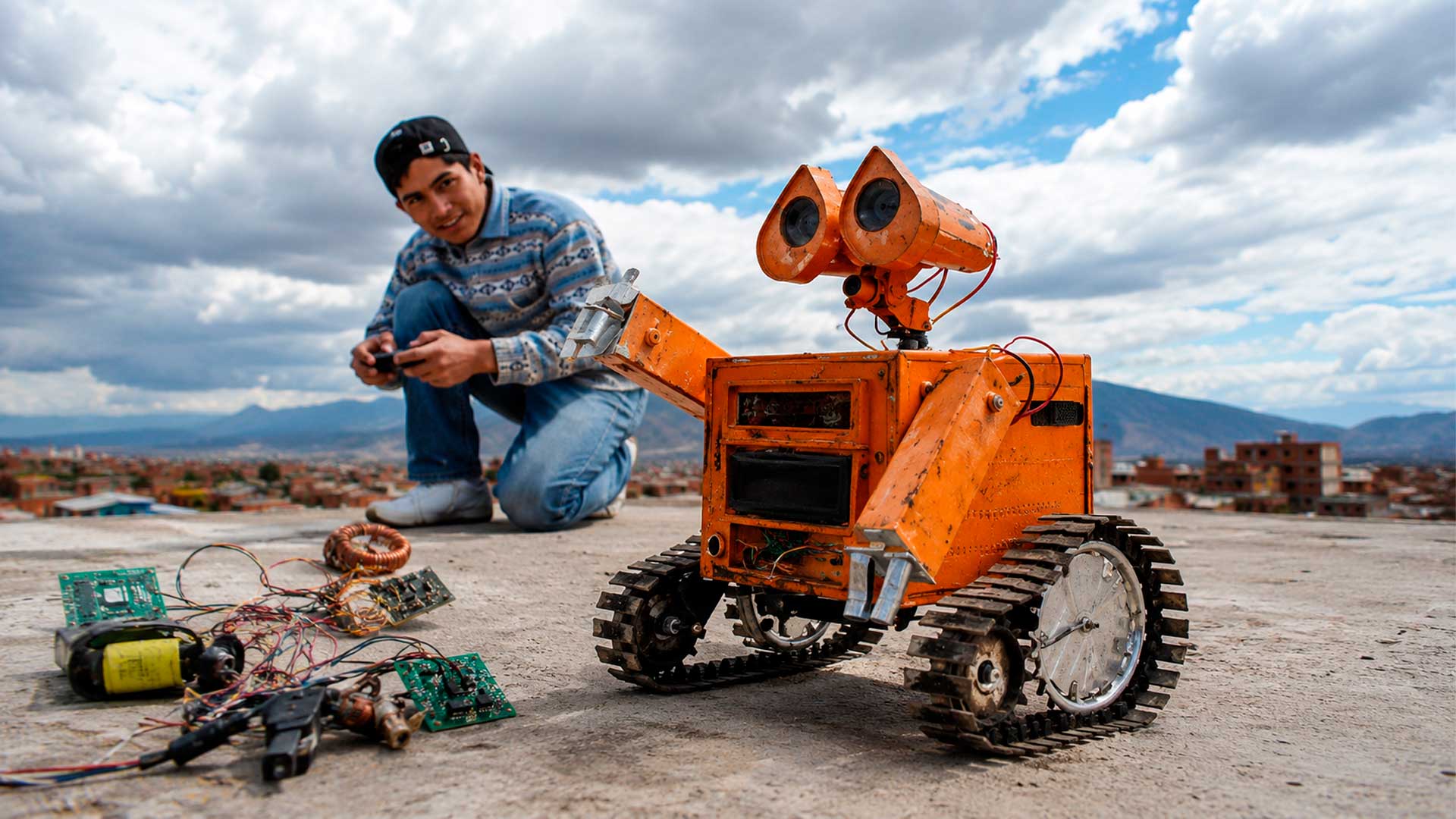

With parts taken from a landfill, Esteban Quispe assembled a cart with LEDs, a luminous cube, and a mobile replica of Wall-E. The case shows how the reuse of electronic waste can become technical learning, but also exposes contamination risks and the lack of infrastructure for safe recycling in poor areas of Bolivia.
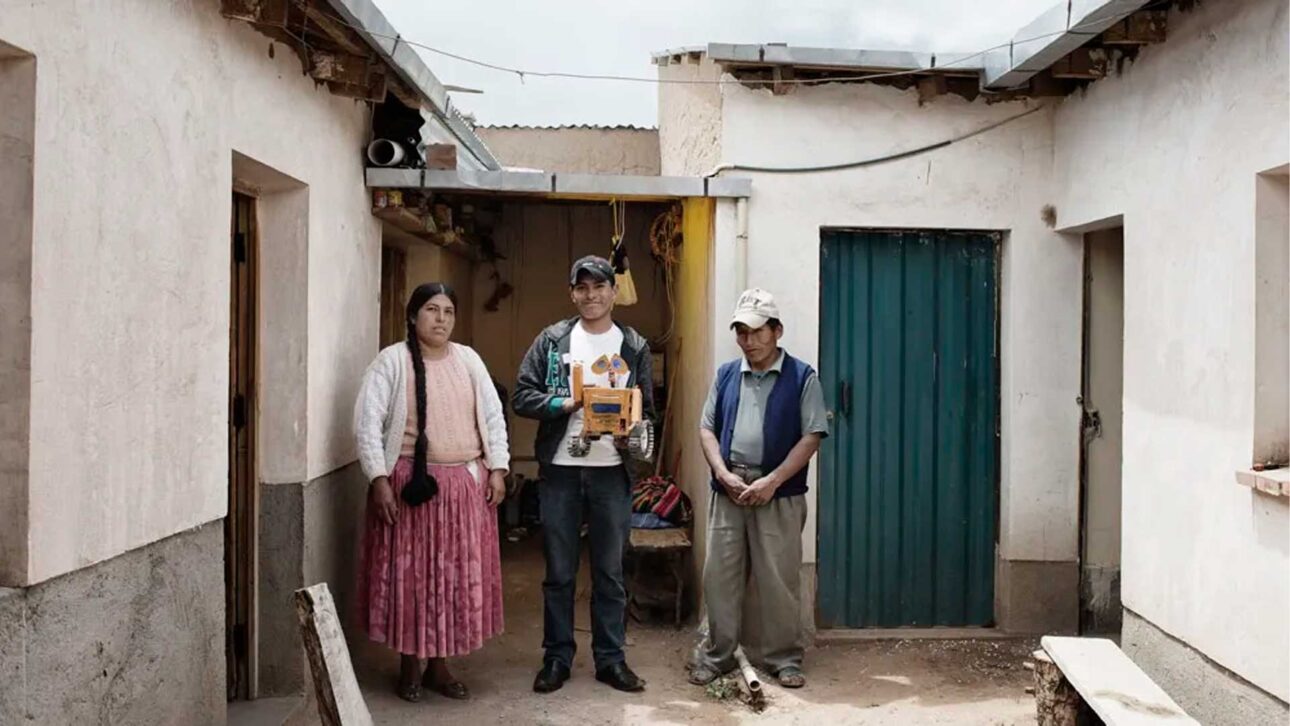
Esteban Quispe was 17 years old when he gained attention outside Patacamaya, on the Bolivian plateau, for transforming electronic scrap into functional machines. In the small room adapted by his family as a workshop, he worked with wires, metal sheets, lamps, boards, motors, and components collected from a dump near his home.
The most well-known project was a replica of the Wall-E robot, a Pixar character associated with the idea of cleaning a planet covered in trash. According to Al Jazeera, Quispe had also made a cart with a sequence of lights and a LED cube capable of displaying 3D images.
The story is not just about a skillful teenager building robots at home. It highlights a practical problem that continues to grow worldwide. Discarded equipment still contains metals, plastics, boards, and reusable parts, but also dangerous substances when handled without protection.
-
Student Creates 3D-Printed Prosthetics from Recycled Plastic, Turning Waste into Affordable Custom Arms

-
Climate Scientist Who “Proved” Humanity Is Warming the Earth

-
NASA Targets Saturn’s Icy Moon Titan as a Waystation for Interplanetary Travel, Utilizing Its Resources for Fuel and Astronaut Support

-
Researchers Revolutionize Nanotechnology with Rocket-Inspired Modular Nanorobot for Efficient Microscopic Missions



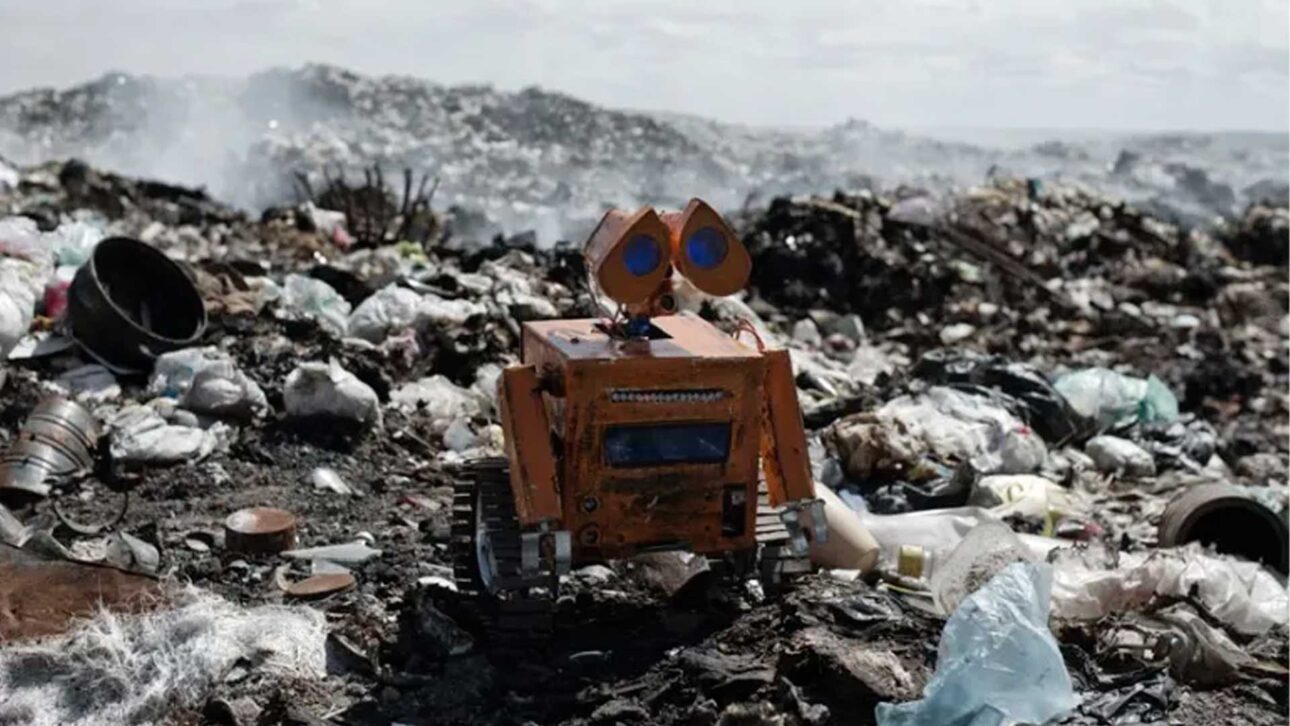
In Patacamaya, the lack of access to new parts drove the student to the dump. He was not seeking an adventure there, but free material to test electronics, mechanics, and programming in a region with little technical infrastructure.
The robot came from discarded parts, not from an equipped laboratory
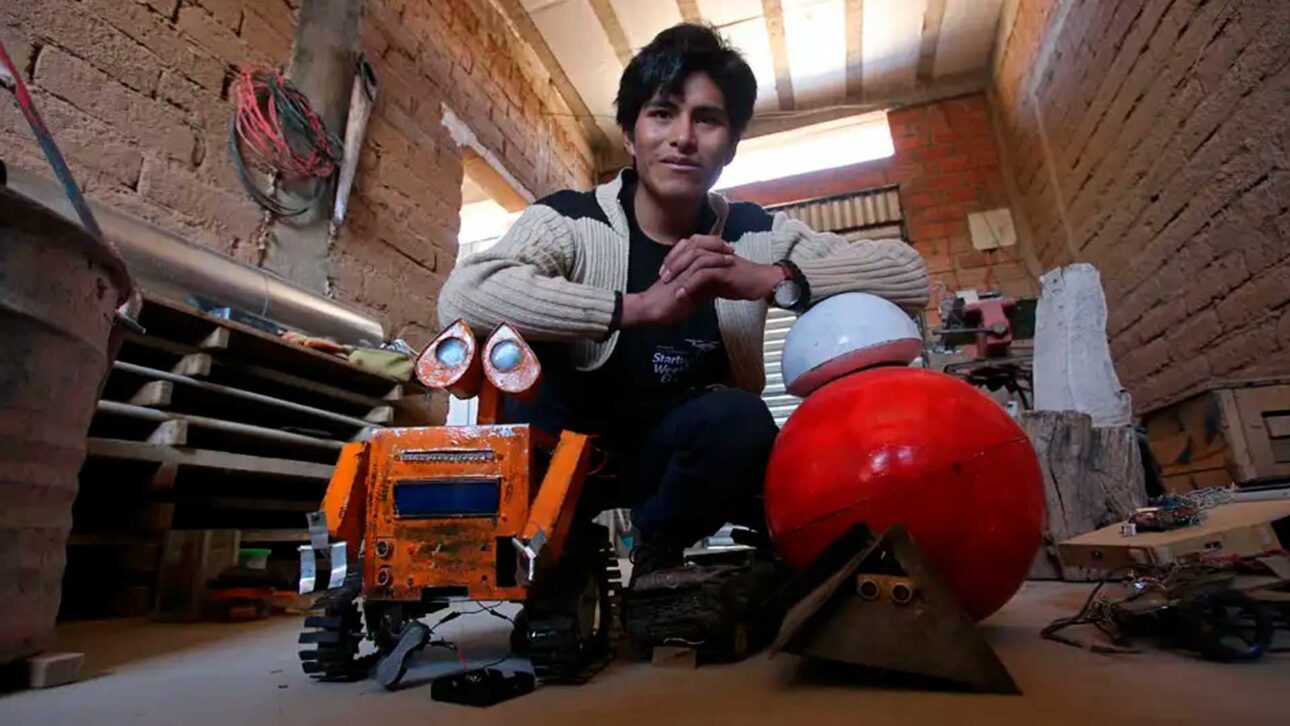
Wall-E by Esteban Quispe took years to be completed. The idea arose after he watched the Pixar movie in 2008 and began looking for parts that could shape the robot. After several attempts, the final version was completed in 2014.
The machine had a square shape, wheels with tracks, a metallic structure, and commands sent by cell phone. Photographs taken by Reuters in December 2015 captured Quispe controlling the replica by phone in Patacamaya, south of La Paz.
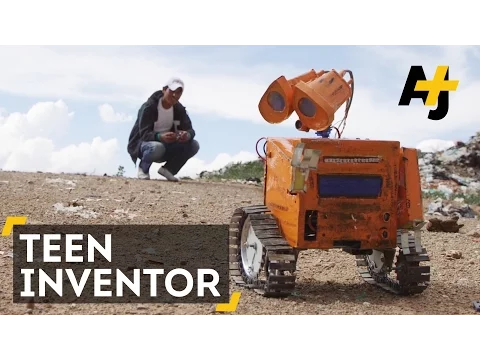

The most relevant aspect of the case is technical. The teenager not only assembled pieces to create a decorative object. He developed a robot with movement, remote control, and reused components, something uncommon in a rural town without easy access to laboratories, robotics kits, or specialized assistance.
Before Wall-E, the student had already tested smaller circuits. The cart with sequential lights and the LED cube helped train assembly, soldering, component reuse, and logic of operation.
The small town helps explain the size of the challenge
Patacamaya is located in the department of La Paz, in a high-altitude area of the Bolivian Altiplano. Topographic data indicate an average altitude close to 3,799 meters, as well as a distance of 98 km to La Paz and 131 km to Oruro.
This detail changes the reading of the story. It is not a project made near research centers, specialized stores, or component fairs. The workshop was in a small town, where finding wires, boards, and motors depended on local disposal.
The family itself played a direct role in the process. Quispe’s father, who already made wooden carts, helped with his son’s first contacts with manual assembly. Later, the teenager began to create more complex pieces, sell small objects, and use part of the money for school supplies.
Even so, improvisation had its limits. Second-hand parts could fail, be missing, or come contaminated. For robotics, this means more testing time, risk of short circuits, and little standardization. For health, the problem was greater.
Electronic waste serves as raw material, but the dump is not a safe workshop
Electronic waste includes cell phones, computers, appliances, battery-operated toys, cables, boards, and other products with plugs or batteries. When properly sorted, some of these materials return to the production chain. When they end up in dumps, they can contaminate soil, dust, air, and water.
The Global E-waste Monitor 2024 indicates that the world generated 62 billion kilograms of electronic waste in 2022, but only 22.3% of this volume had documented formal collection and recycling. The report projects 82 billion kilograms per year by 2030 if the current pace continues.
In Quispe’s case, improper disposal appeared concretely. He visited the dump near his home weekly to look for parts. The choice was economical. Buying new components would be better for the project, but it was out of budget.
The World Health Organization warns that informal recycling and improper handling of electronic waste can release lead, mercury, dioxins, and other toxic substances. Children and adolescents are more vulnerable, especially when involved in collecting, manually dismantling, or burning waste.
This point prevents a romanticized reading of the case. The robot shows technical capability and scientific curiosity, but the path to the parts went through an unhealthy environment. The student’s merit does not erase the infrastructure failure that forced a young person to seek material amid waste.
The project advanced to cell phone control and voice recognition plans
The Wall-E built in Patacamaya responded to commands sent by cell phone, with software created by the student himself. The next goal was to assemble a more sophisticated version, capable of recognizing the owner’s voice, obeying simple commands, and moving in different directions.
Quispe estimated that he could sell a more advanced version for about 11 thousand bolivianos, equivalent to approximately US$ 1,600 at the time mentioned in the report. For the family, selling robots could represent income. For the student, it would also be a way to finance studies and new prototypes.
He received a scholarship to start a five-year electromechanics course at the Catholic University of La Paz. Formal education would complement his self-taught learning, which already included basic electronics, component reuse, programming, and mechanical assembly.
The technical ambition also aimed at local applications. In reports published at the time, Quispe mentioned interest in solar-powered robots and solutions that could help productive activities in Patacamaya, such as mechanization in the field.
Do you think robotics projects with reused parts should be introduced in technical schools and communities, provided there is safe collection and adequate protection? Leave your comment on what this case shows about education, recycling, and access to technology.