






 Portuguese
  Spanish


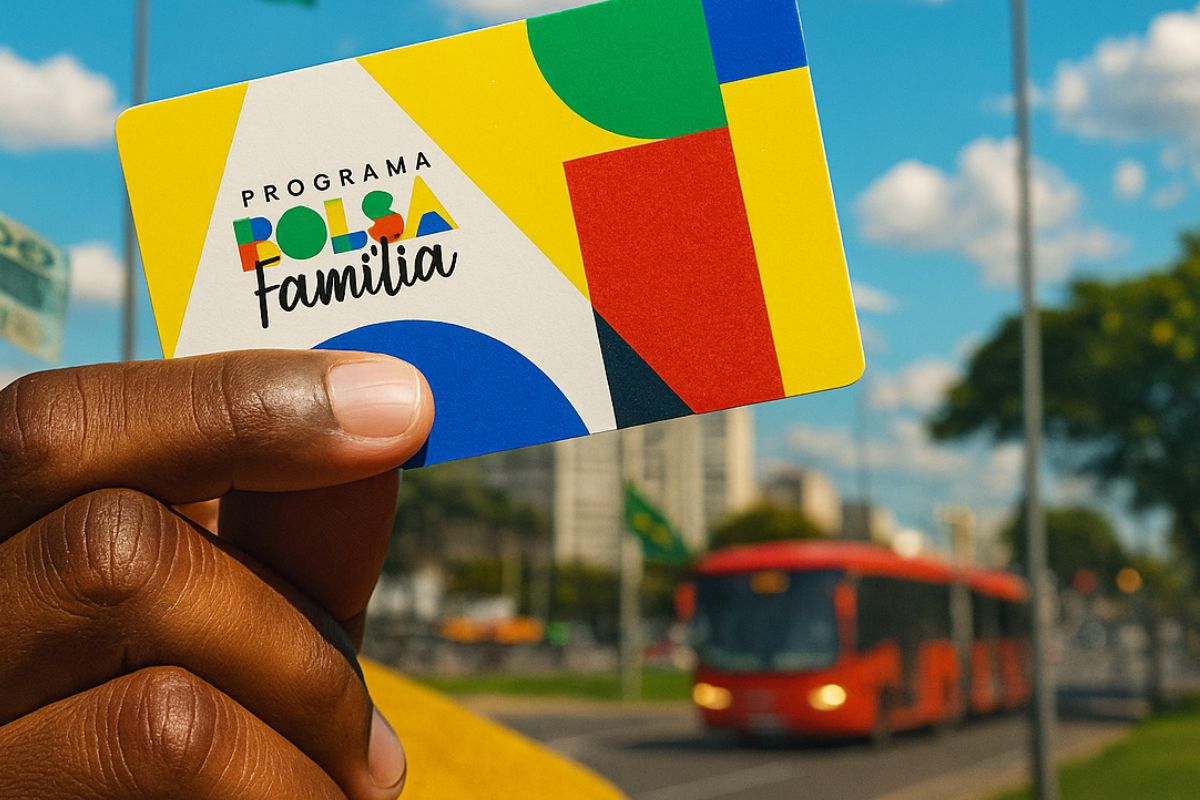

The Bolsa Família Calendar for November 2025 is Already Set Between the 14th and 28th, with Scaled Payments According to the End of the NIS. The Ministry of Development Reinforces the Rules of School Attendance, Vaccination, and Registration Update to Avoid Blocks.
The Bolsa Família program for November 2025 arrives at the penultimate month of the year with a new schedule confirmed by the federal government. Payments will occur between the 14th and 28th, following the last digit of the NIS (Social Identification Number). The planning seeks to ensure predictability for the more than 20 million families that depend on the benefit as their main source of monthly income.
In addition to confirming the calendar, the Ministry of Development and Social Assistance reinforced the requirements that keep the benefit active. Meeting school attendance, keeping vaccinations up to date, and updating the Cadastro Único are mandatory conditions to avoid blocking, suspension, or temporary cancellation of the payment.
Payment Dates and Calendar Structure
Deposits of the Bolsa Família for November 2025 follow the standard of staggered releases.
-
At 14 years old, she worked in a factory in Hong Kong, studied economics abroad, and then entered the Chinese real estate market, which helped change the landscape of Beijing.

-
While NATO secured more than $10 billion in missiles and space surveillance at a single forum, Brazil still spends 1.1% of its GDP on defense and is stalling its own anti-aircraft system.

-
Corn ethanol attracts R$ 23 billion in 21 new plants and prepares for a nearly 50% jump in Brazilian production by 2027, even with high interest rates.
-
A newly opened terminal in the middle of the Amazon has begun transporting soy and corn through Amapá, eyeing the queue of ships that is congesting the ports in the South.


Beneficiaries with NIS ending in 1 receive on November 14, and the schedule extends until the 28th, when the group ending in 0 is paid.
The model avoids overload on agencies and ensures a constant flow of payments over two weeks.
The system maintains the traditional interval of the last ten business days of each month, with the exception of December, when an advance occurs to end payments before Christmas.
This adjustment is applied annually to ensure that families receive the amounts before the end-of-year celebrations.
Composition of Values and Additions by Range
The program maintains the minimum base value of R$ 600 per household, composed of the sum of the benefits provided in the current format of Bolsa Família.
The structure consists of five complementary installments, applied according to the family composition.
Among the values, the Citizenship Income Benefit (BRC) stands out, at R$ 142 per member; the Complementary Benefit (BCO), which guarantees the floor of R$ 600; and the Early Childhood Benefit (BPI), with R$ 150 for children up to 6 years old.
Additionally, there is the Variable Family Benefit (BVF) and the Variable Nutrition Benefit (BVN), of R$ 50, intended respectively for pregnant women, youths between 7 and 17 years, and babies up to 7 months.
These categories form the foundation of the program, allowing for the personalization of the value according to the profile of each registered family.
Mandatory Rules to Keep the Benefit Active
The Ministry reinforces that Bolsa Família is not just a cash transfer, but an integrated policy in the areas of health and education.
Conditionalities remain the main criterion for staying in the program, avoiding automatic blocks.
Among the requirements are enrollment and a minimum school attendance of 85% for children and adolescents aged 4 to 17 years, nutritional monitoring of those under 7 years old, and prenatal care during pregnancy.
It is mandatory to update vaccinations according to the Ministry of Health’s calendar, a measure considered essential for national epidemiological control.
Consequences of Non-Compliance and Importance of Updates
When there is non-compliance with the conditionalities, the system applies gradual sanctions.
The first step is the temporary blocking of the benefit, followed by suspension and, in cases of recurrence, cancellation of registration.
These measures aim to ensure that the social objectives of the program are met.
Another crucial point is the periodic update of the Cadastro Único (CadÚnico).
Changes in address, family composition, or income must be communicated to avoid inconsistencies that may result in a block.
The omission of information can be interpreted as irregularity and result in loss of benefits.
Expectations and Predictability of the Calendar
The maintenance of the calendar between the 14th and 28th of November reinforces the commitment to the program’s stability.
Deposits continue to prioritize families in vulnerable situations and rural communities with limited access to banking services, which is why Caixa Econômica maintains digital channels and adapted agencies for assistance.
With the fixed schedule and the rules reaffirmed, the government seeks to reduce uncertainties and ensure that payments occur without delays, strengthening the trust of beneficiary families and municipalities that assist in the local management of the program.
Do you believe that the rules of Bolsa Família for November 2025 are sufficient to ensure equity in accessing the benefit, or should they include new monitoring criteria?


