






 Portuguese
  Spanish
  2 min of reading
  0 comments


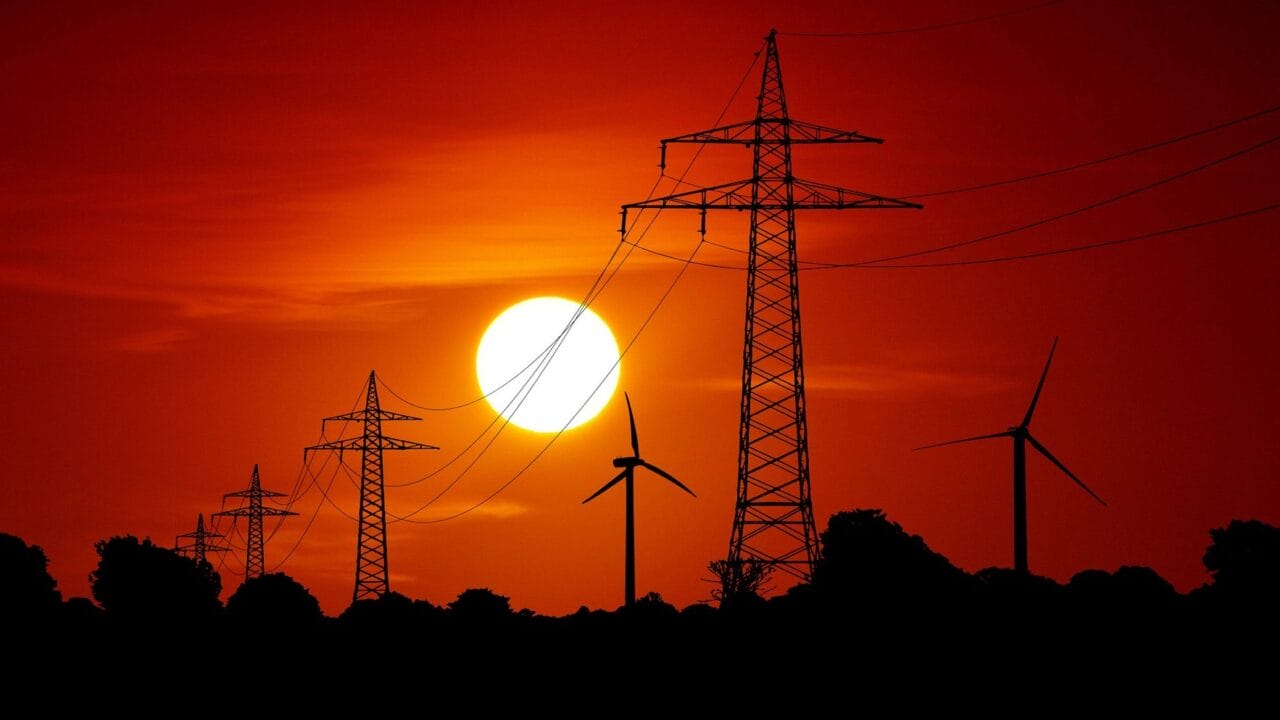
Record in 2023: 93% of Renewable Energy Came from Hydropower, Wind, Solar, and Biomass.
Brazil has shown a significant reduction in carbon emissions in recent years. In 2023, the National Integrated System (SIN) recorded a emission rate of 38.5 kilograms of carbon dioxide per megawatt-hour (MWh) generated, the lowest rate since 2012, according to the Ministry of Science, Technology and Innovation (MCTI).
This decrease is largely due to the entry of new renewable sources into the system, as well as the favorable hydrological scenario for hydropower generation. The implementation of these measures has resulted in a lower emission rate and significantly contributed to environmental preservation.
Brazil Records Drop in Carbon Emission Rate in 2023
According to recent data from the Electric Energy Trading Chamber (CCEE), Brazil achieved a record in renewable energy generation in 2023, with 93.1% of all electricity generated coming from sources such as hydropower, wind, solar, and biomass plants.
-
Brazilian scientists are simultaneously advancing two research projects on clean hydrogen and driving solutions that could transform the energy matrix, enhance industrial competitiveness, and accelerate large-scale emission reduction targets.

-
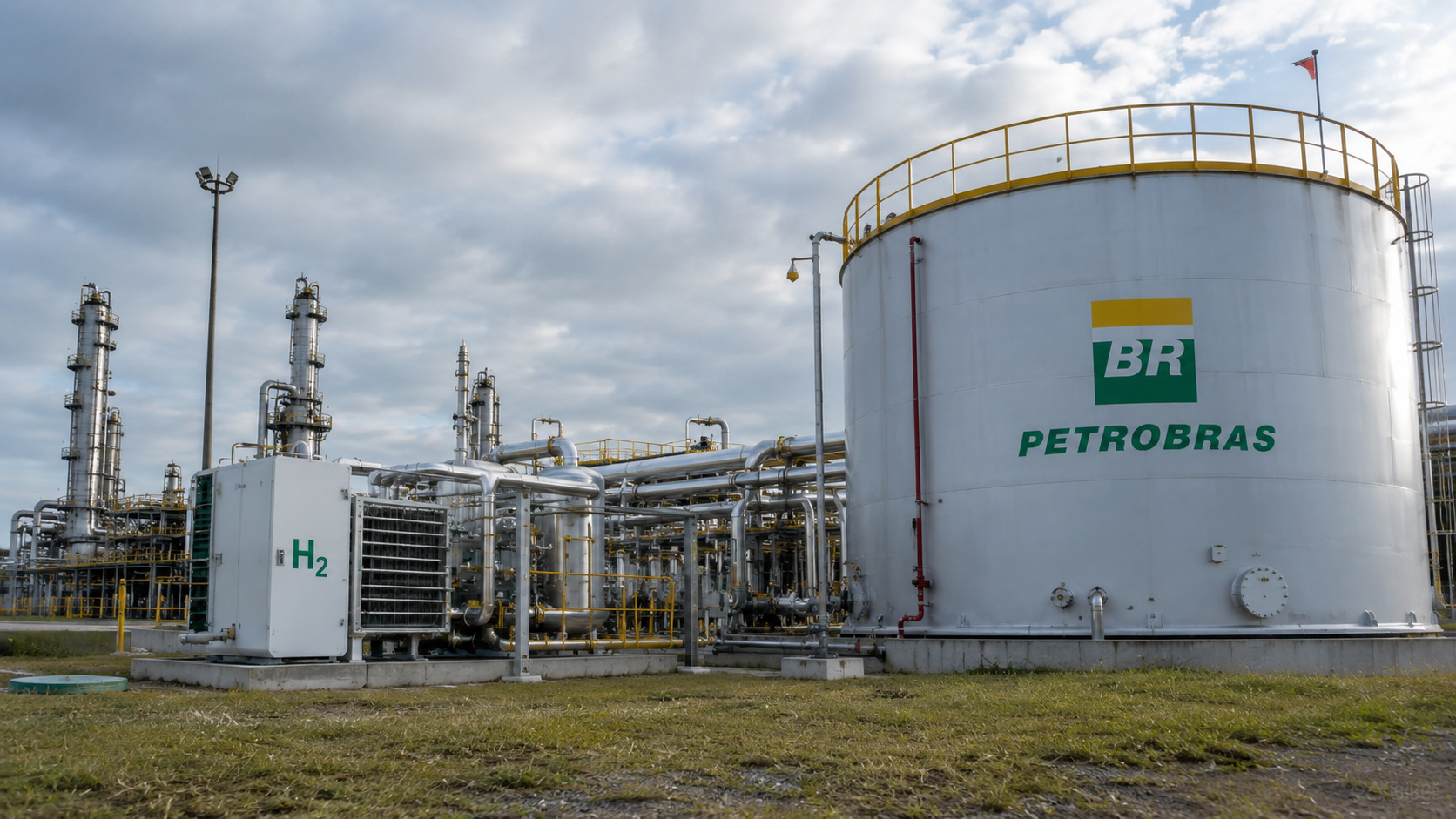
Advancement in renewable energy: A R$ 150 million project launched by Petrobras and Finep aims to create state-of-the-art electrolyzers for green hydrogen, strengthening national research and preparing Brazil to compete in a billion-dollar energy market.
-
Solar energy can increase property value by up to 10% and become a selling point.
-
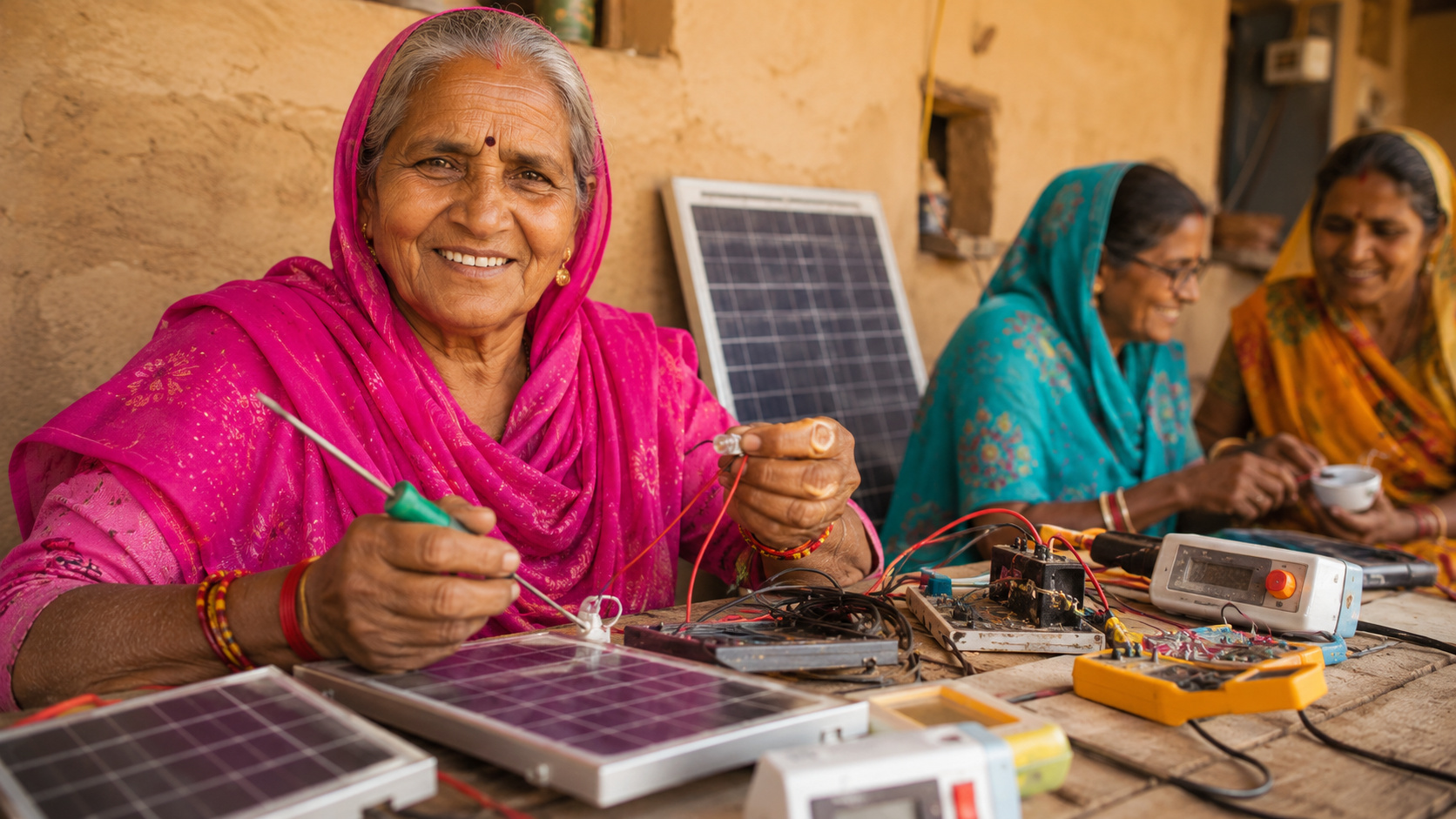
Illiterate or semi-literate grandmothers were trained to repair solar systems, open rural workshops, and light up homes that still depended on kerosene.


Expansion of Installed Capacity and Reduction in Emissions
In 2023, there was significant growth in the national installed generation capacity, totaling nearly 20 gigawatts (GW), with solar and wind sources together accounting for 94% of the total expansion.
Integration into the National Integrated System and Its Contributions
According to the Ministry of Mines and Energy (MME), actions to reduce thermal generation using diesel oil contributed to the significant drop in emissions in the SIN. Among the initiatives, the integration of isolated generation systems, which were dependent on diesel thermal plants, stands out. Municipalities like Parintins, Itacoatiara, and Juruti were interconnected to the SIN in 2023, contributing to the reduction in the carbon emission rate.
Renewable Energy Generation Scenario and Comfortable Reservoir
According to CCEE, Brazil generated 70,206 average megawatts of renewable energy in 2023, coming from hydropower, wind, solar, and biomass plants, which represents 93.1% of all electricity produced in the year. Hydropower, which accounts for about 58% of the installed capacity of the Brazilian energy matrix, was responsible for nearly 50 thousand average megawatts for the SIN, representing an increase of 1.2% compared to 2022.
The CCEE highlights that the plants ended the year with comfortable reservoir levels to face the dry period of 2024, thanks to the favorable hydrological scenario of the last two years and the contribution from alternative sources such as wind and solar.
Expansion of Installed Capacities and Renewable Energy Generation
Regarding wind and solar energy, over 13 thousand average megawatts were generated in 2023, representing a growth of 23.8% compared to the same period in 2022. The commissioning of new wind and solar parks increased the installed capacity to over 42.6 thousand MW, equivalent to three hydropower plants the size of Itaipu. Meanwhile, energy generation from biomass, primarily using sugarcane bagasse, reached 3,218 average megawatts, an increase of 9.6% compared to 2022.
Source: EPBR





Be the first to react!