Portuguese
  Spanish


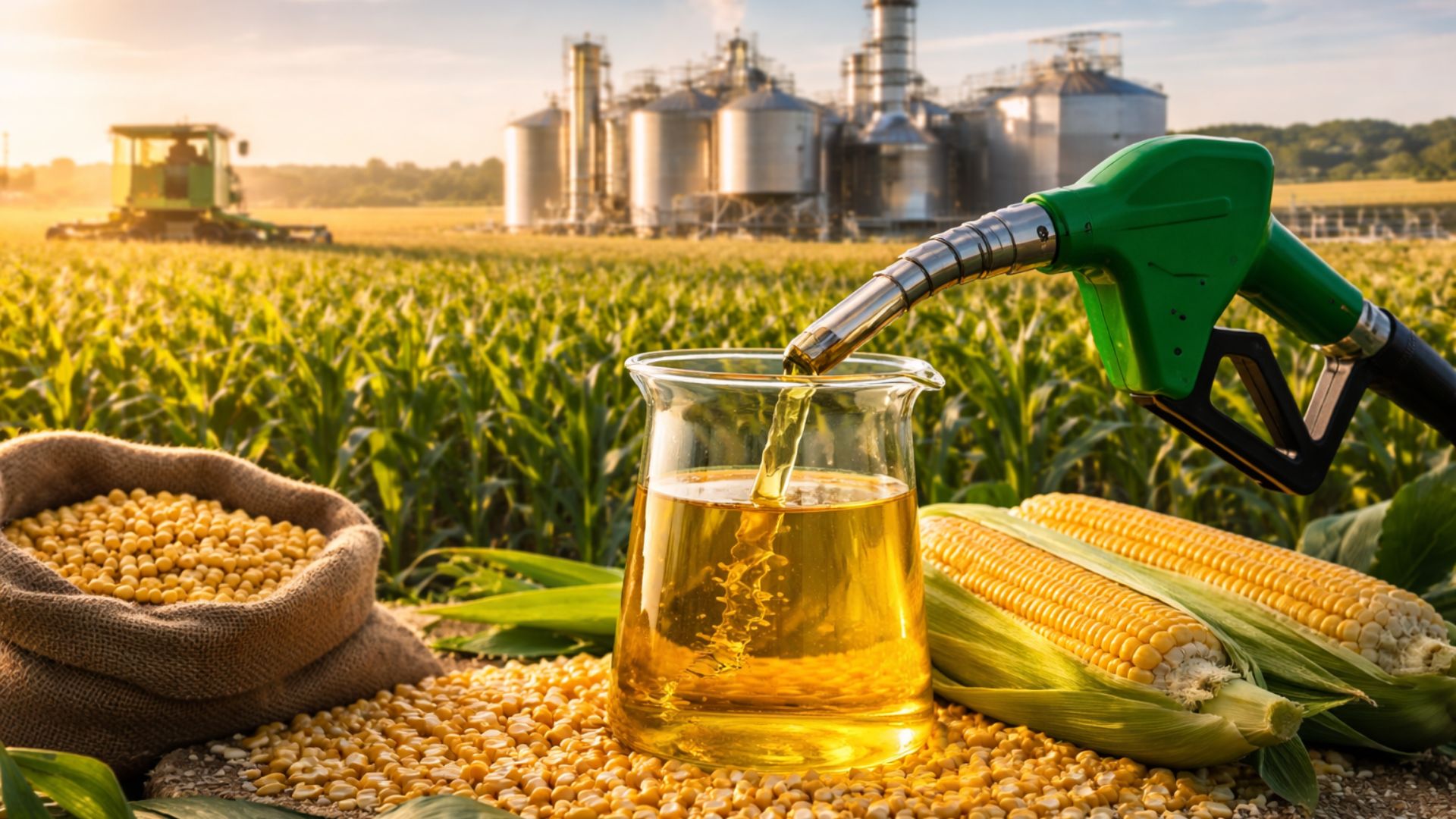

The Advancement of Biofuels Places Brazil Among the Main Powers in Renewable Energy, with Mato Grosso Leading Industrial Investments and Strengthening Agriculture.
Brazil has consolidated its position as one of the world’s main powers in biofuels and reinforces its leading role in the energy transition. According to a report published by the website Cenário MT on February 26, the advancement is sustained by the strength of agriculture, especially through the production of soybeans and corn, essential raw materials for biodiesel and ethanol. In this context, Mato Grosso plays a strategic role by leading national grain production and expanding its industrial capacity.
Over the past few decades, the country has transformed from an importer of agricultural commodities to the world’s leading exporter of soybeans and one of the largest exporters of corn. Today, according to representatives of the production sector, Brazil produces food for more than one billion people. In the biofuels scenario, the logic is similar: the main renewable energy sources derive precisely from these agricultural commodities.
The result is a model that combines productivity, technological innovation, and value addition in the field. The interiorization of the industry, especially in Mato Grosso, strengthens productive chains and boosts regional and national economic development.
-
Brazil Advances with JetBio’s Megaproject to Build the World’s Largest Ethanol-Based Sustainable Aviation Fuel Plant, Aiming to Become a Global Exporter

-
Brazil on Track for Record 40.7 Billion Liters of Ethanol in 2026/27 Season, Driven by Corn Ethanol
-
Petrobras Approves $1.2 Billion Refinery in Brazil to Produce Aviation Fuel and Diesel from Plants
-
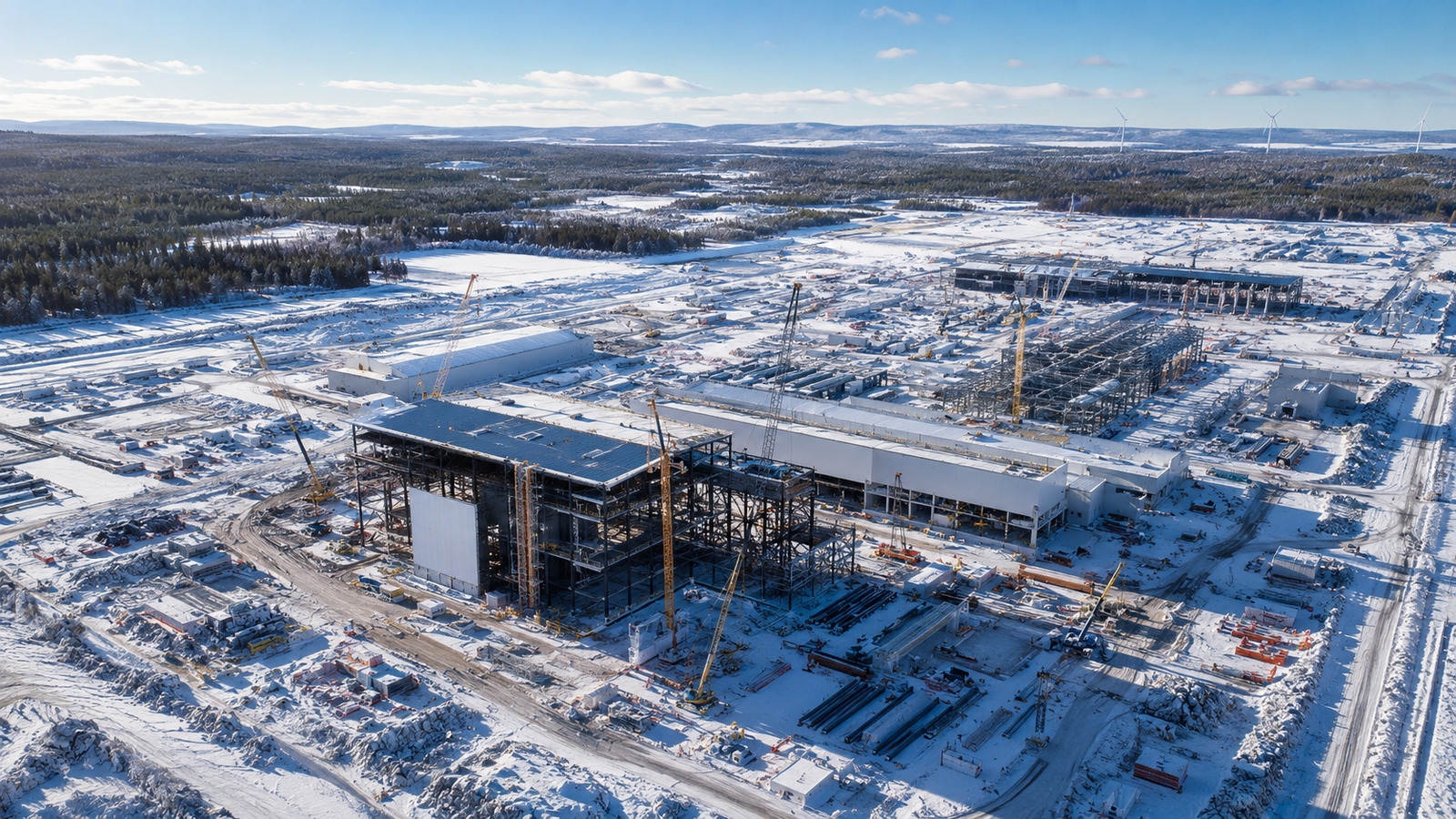
US$ 7 billion, green hydrogen, and steel with up to 95% less CO₂: the first green steel plant on the planet emerges in Sweden and targets Brazil as the next chapter


Biofuels Consolidate Global Leadership Based on Brazilian Agriculture
The Brazilian performance in biofuels is supported by decades of investments in agricultural research, mechanization, and infrastructure. The country is the second-largest producer of ethanol in the world and ranks among the global leaders in biodiesel production, according to data from the National Agency of Petroleum, Natural Gas, and Biofuels.
A large part of this advancement is linked to agriculture. Soybeans and corn supply both the food market and the energy industry. The Brazilian model allows multiple uses from the same productive chain, enhancing economic efficiency.
According to representatives of the Soybean and Corn Producers Association of Mato Grosso, Brazil has undergone a structural transformation. From being a grain importer, it has become a global exporter and a technological reference. This shift strengthens international competitiveness and amplifies the country’s weight in energy geopolitics.
Mato Grosso Strengthens Strategic Production of Biofuels and Increases Added Value
Mato Grosso is the largest producer of soybeans and corn in Brazil, according to the National Supply Company. This agricultural leadership has laid the foundation for the expansion of the biofuels industry in the state.
Over the last 10 to 15 years, the state has undergone an accelerated industrialization process, with the installation of new plants, especially for corn ethanol. The consolidation of this industrial park adds value to rural production and reduces dependence on the export of raw grains.
The presence of plants in the interior transforms the regional economic dynamics. Producing municipalities report increased generation of direct and indirect jobs, as well as greater tax revenue. Industrialization also reduces logistics costs and strengthens the domestic market.

Agriculture Drives Innovation and Energy Sustainability
The growth of biofuels is directly linked to the modernization of Brazilian agriculture. Investments in improved seeds, precision agriculture, sustainable management, and integrated crop-livestock systems have increased productivity without a proportional need for territorial expansion.
According to sector leaders, Brazil uses about 13% of its territory for agricultural production while maintaining vast preserved areas. The climate allows for up to three harvests a year in certain regions, enhancing productive efficiency.
This combination of technology, climate, and professional management differentiates the country in the international scenario. Biofuel production occurs with a high level of technology and environmental commitment, strengthening Brazil’s image as a sustainable supplier of renewable energy.
Industrial Expansion in Mato Grosso Generates Jobs and Regional Development
The arrival of corn ethanol plants in Mato Grosso represents a watershed moment for many cities in the interior. Producers report that industrialization has brought market stability and new economic opportunities.
In addition to direct jobs in industrial plants, there are impacts on the logistics chain, commerce, and service provision. Municipal and state revenues are increasing, allowing for investments in infrastructure, health, and education.
The model also encourages greater integration between producers and industry. The closer the farmer is to the industrialization process, the greater the understanding of the risks and opportunities of the productive chain. This proximity strengthens quality and efficiency metrics both in the field and in the industry.

Biofuels Reduce Emissions and Strengthen Clean Energy Matrix
The relevance of biofuels goes beyond the economic aspect. Produced from renewable sources such as corn and soy, they contribute to the reduction of greenhouse gas emissions and decrease dependence on fossil fuels.
Locally produced ethanol reduces transportation distances that could previously exceed two thousand kilometers by truck, lowering logistics costs and emissions associated with transport. Regional production also enhances energy security.
Currently, there are already agricultural engines and trucks adapted to use ethanol, expanding the possibilities for the use of renewable fuel. This diversification reinforces the strategic importance of biofuels in the Brazilian energy matrix.
Integration Between Industry and Agriculture Strengthens Competitiveness of Mato Grosso
The industrialization of grains enhances income distribution and drives social development. Instead of merely selling raw materials, the state starts exporting energy and technology.
This integration allows for better risk management and greater predictability for rural producers. The mutual understanding between the field and industry stimulates investments, professionalization, and the adoption of good practices.
Mato Grosso establishes itself as the main producing state of agricultural commodities and as a reference in corn ethanol production. The combination of productive scale and industrial capacity reinforces its strategic position in the national scenario.
Brazilian Leadership in Global Energy Transition
Brazil demonstrates that it is possible to reconcile large-scale agricultural production, environmental preservation, and economic development. The biofuels chain represents a structural advance that benefits producers, states, and the country as a whole.
By adding value to primary production through industrialization, agriculture generates wealth, knowledge, and social development. The positive impacts reach Mato Grosso, strengthen the national economy, and broaden Brazil’s presence in the global renewable energy market.
The scenario indicates that the expansion of biofuels will continue to be one of the main vectors of growth for agriculture. With a solid agricultural base, favorable climate, advanced technology, and industrial integration, Brazil enhances its global leadership.
Mato Grosso, by strengthening its strategic production and increasing industrialization, confirms its central role in this transformation. The state drives job creation, income, innovation, and energy sustainability, consolidating itself as a key player in establishing Brazil as a global power in biofuels.