Portuguese
  Spanish


UFRN Event Highlights The Role Of Offshore Wind In The Energy Transition, Supported By Government And High Projections For Brazilian Electricity Demand
Offshore wind energy is gaining traction on the Brazilian economic agenda as a central piece in the strategy for decarbonizing the industry and attracting new investments. The topic was emphasized during the event “Brazil Offshore Wind & Power-to-X 2025,” hosted by the Federal University of Rio Grande do Norte (UFRN), which brought together authorities, experts, and companies from the sector.
According to Karina Araújo Sousa, director of the Energy Transition Department of the Ministry of Mines and Energy (MME), the country has a concrete opportunity to boost industrial development based on clean energy.
“Our focus is to make the national industry more competitive and sustainable, based on renewable sources such as offshore wind and low-emission hydrogen“, she stated.
-
Brazil saved US$ 32.4 billion in 2025 by switching from fossil to renewable energy and only ranked behind China and the United States on the IRENA global podium.

-
Fired during apartheid and with a little borrowed money, an electrician started with a borrowed truck and transformed electrical services into a group connected to energy, real estate, and infrastructure in South Africa.

-
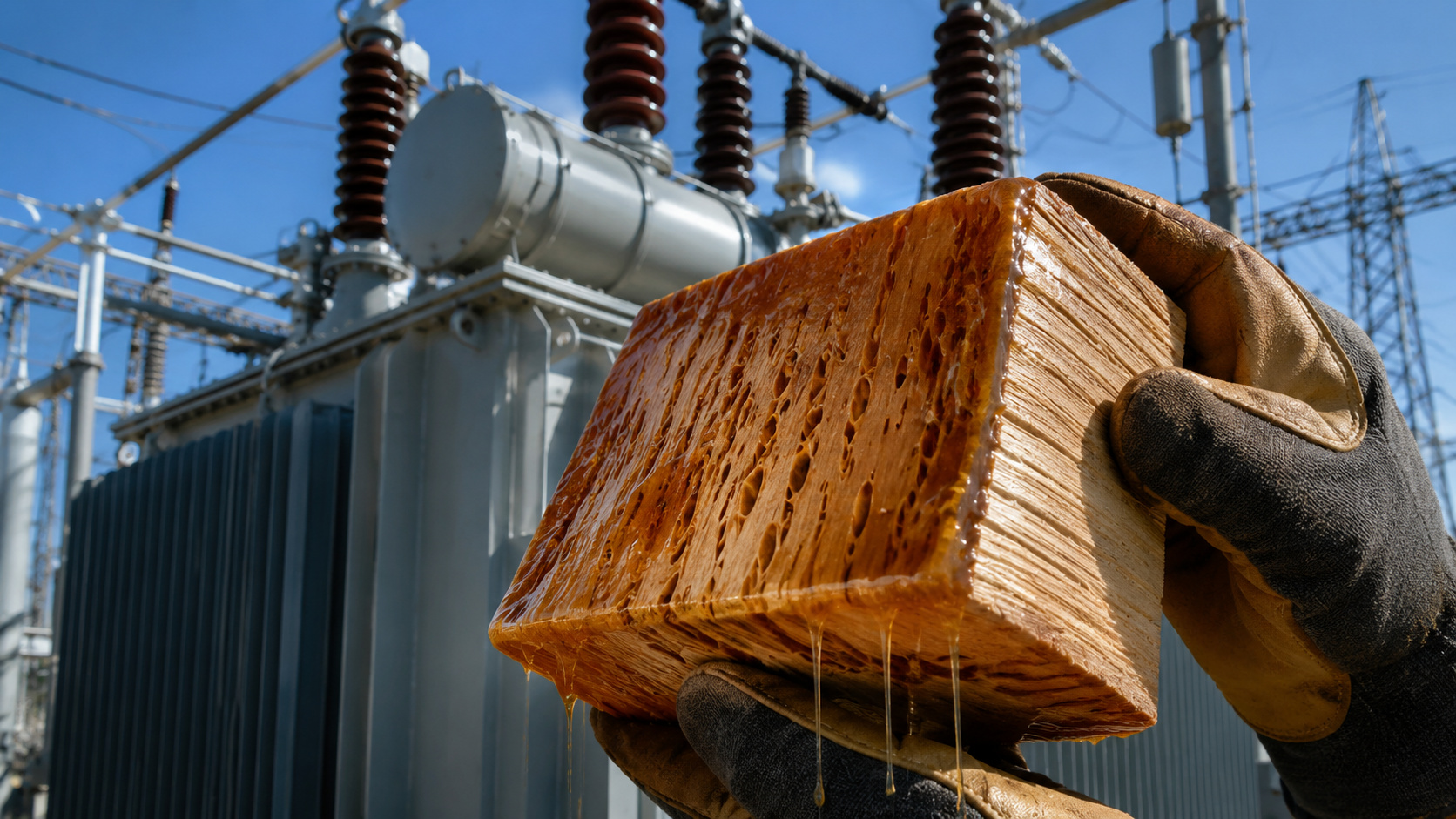
Wood has ceased to be just a construction material in Yale research and has become insulation for electrical transformers that face intense heat, aging, and increasing pressure from the renewable energy-powered grid.
-
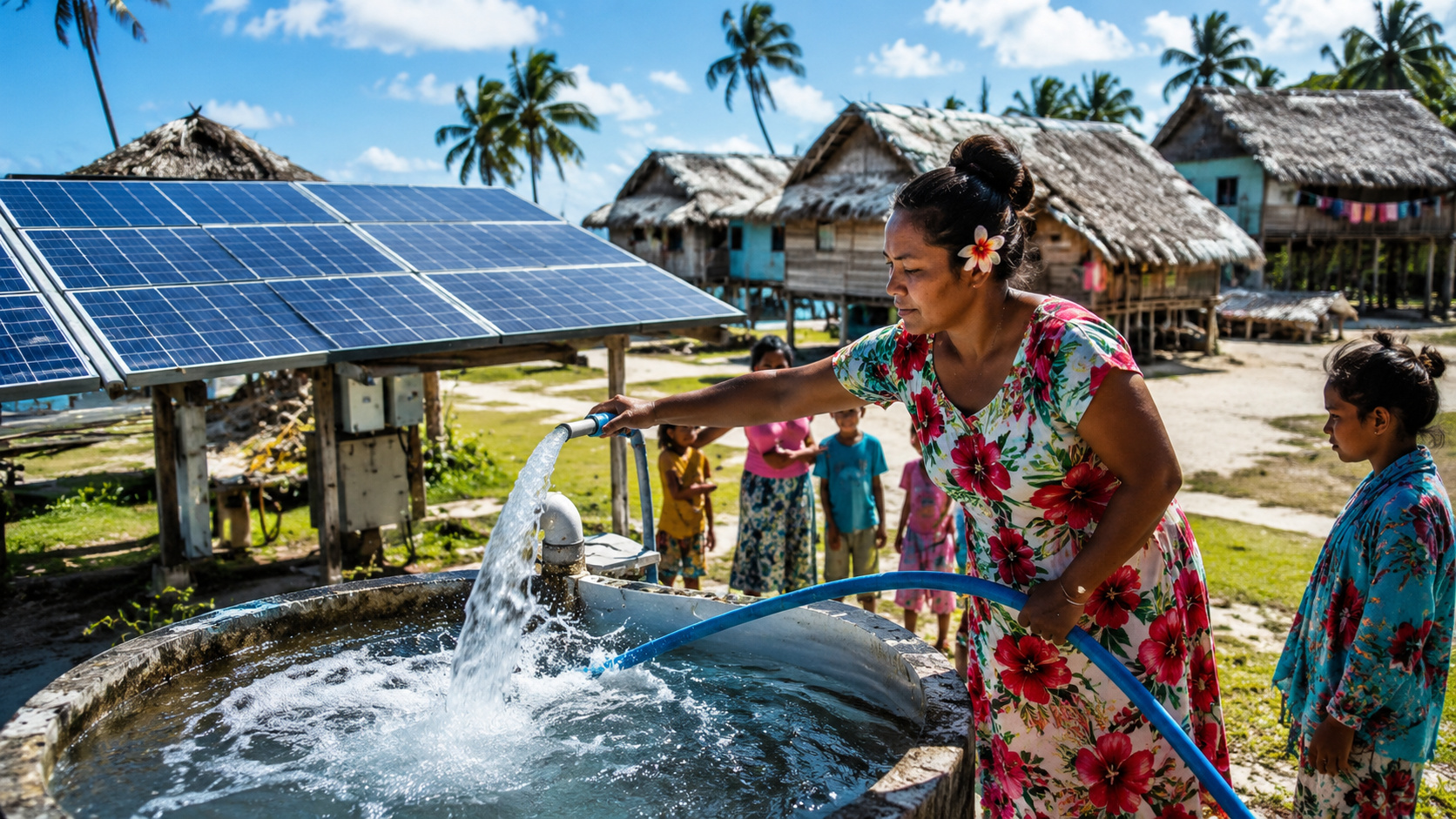
More than 1,000 residents of a remote island in Kiribati now have clean water and electricity with solar systems operated by the community itself.


The Brazilian energy transition is integrated into the “New Industry Brazil” policy and the National Energy Transition Policy (PNTE), in coordination with the Ministry of Development, Industry, Trade and Services (MDIC).
One of the main objectives is to reduce emissions in high energy-consuming sectors, such as cement, steel, fertilizers, metallurgy, and aluminum. Additionally, the government aims to create a favorable environment for the installation of new sustainable industries.
Projections indicate that by 2050, the demand for electricity in Brazil could triple. In this context, offshore wind emerges as a strategic alternative to diversify the energy matrix and meet the expected growth in energy consumption.
The Ministry of Mines and Energy is finalizing the regulatory framework that will allow the start of auctions for the allocation of areas for the installation of offshore wind farms.
The Offshore Wind Working Group, coordinated by the ministry, leads the process of defining this new market.
The agenda involves mapping areas with lower socio-environmental risk and regulating the allocation rules, with technical support from the Energy Research Company (EPE).
With these measures, Brazil seeks to consolidate its position in the global energy transition, using the green economy as a driver to reindustrialize efficiently and with a long-term vision.
With information from Portal In.