






 Portuguese
  Spanish
  3 min of reading
  0 comments


Brazil Expands Global Presence in Agriculture with New Approvals in Asia and Africa, Strengthening Seed and Live Cattle Exports and Consolidating 415 Market Openings Since 2023.
The Brazilian government announced on Friday (29) the completion of new sanitary and phytosanitary negotiations that expand the reach of the national agribusiness abroad.
With the latest approvals, the country reaches 415 market openings since 2023, in 71 different destinations, according to information released by the Ministry of Agriculture and Livestock (Mapa).
Expansion to Asia and Africa
In addition to geographic expansion, the strategy seeks to diversify the export agenda with higher technology products, such as high-performance seeds and animal genetics.
-
Low-Demand Brazilian Beef Offal Gains Popularity Abroad: Indonesia Purchases $19.5 Million, Boosting Revenue and Reducing Waste

-
Soy Expansion in Former Brazilian Savanna Sparks Water and Land Conflicts in Major Agricultural Frontier
-
Mexican Pest Threatens U.S. Cattle Herds at Historic Lows, Potentially Boosting Brazilian Beef Exports as Burger Prices Soar

-
Avocado Boom for European and U.S. Markets Fuels Water Crisis in Drought-Stricken Chilean Region


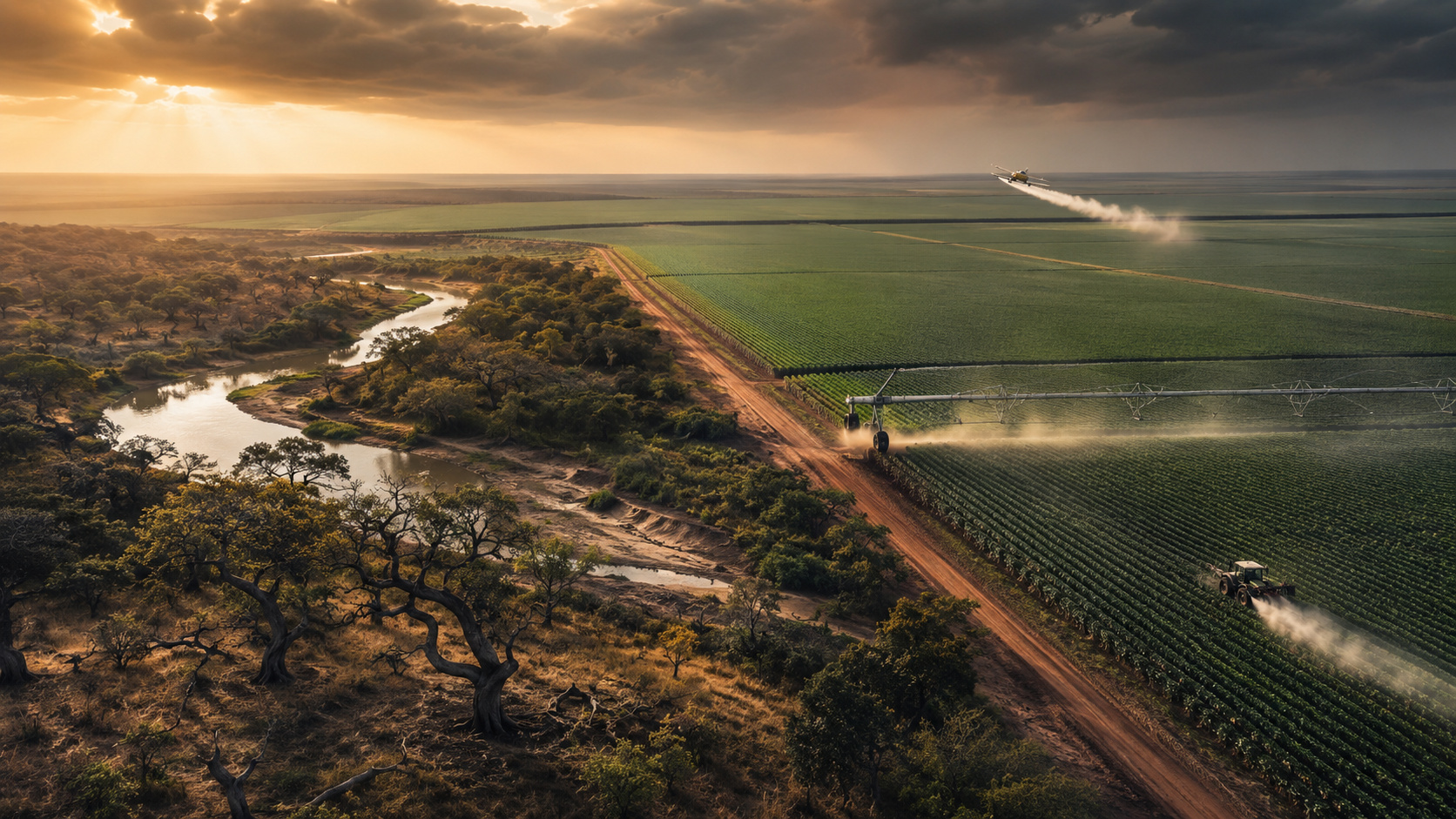


According to a note published by the Mapa, the intention is to increase Brazilian presence in Asian and African countries with higher value-added items, capable of opening opportunities also in services and innovation.
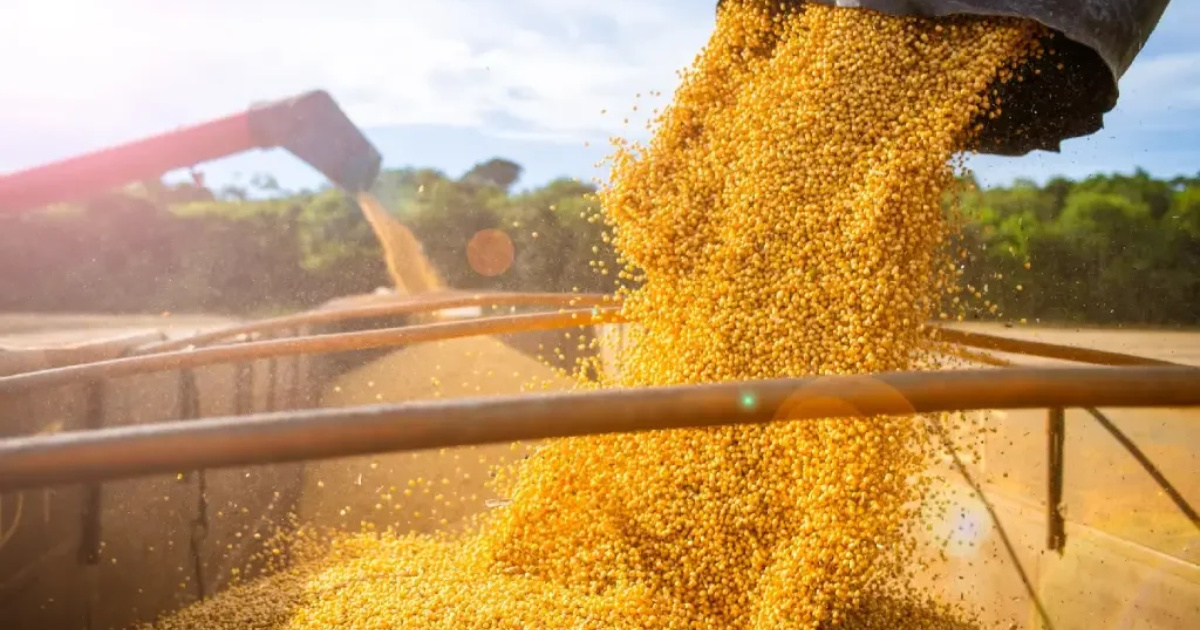
Brazilian Seeds Reach Togo
In Togo, imports of corn, brachiaria, soy, and sorghum seeds from Brazil have been released.
The Mapa highlighted that these inputs are internationally recognized for attributes such as genetic quality, health, and high germination rate, reflecting constant investments in research and innovation in the sector.
The expectation is that the measure will contribute to productivity gains and food security in Togo.
Indonesia Authorizes Live Cattle
In turn, Indonesia authorized the entry of live cattle for breeding, a measure that should strengthen local livestock and create new business fronts for Brazilian producers.
According to the official publication from the Ministry of Agriculture, this opening may boost future negotiations in the Asian market, especially in areas related to genetics, animal nutrition, and technical services.
Advancements Accumulated Since 2023
With the two approvals, Brazil reached 415 market openings since the beginning of 2023.
So far in 2025, 115 new openings have already been recorded, according to data from the Defense Secretariat of Agriculture.
The government attributes the advancements to the joint action of the Mapa and the Ministry of Foreign Affairs (MRE), which coordinate audits, technical missions, and regulatory negotiations with foreign authorities.
Expected Impacts on Brazilian Agriculture
For Brazilian exporters, entry into Togo should strengthen the internationalization of cultivars adapted to the tropical climate.
Meanwhile, the qualification in Indonesia opens up opportunities for the supply of cattle genetics and related services.
The continuity of these operations will depend on the strict compliance with sanitary and phytosanitary standards required by the purchasing countries.

Outlook for the Coming Years
According to experts, while highlighting the results, the Ministry of Agriculture and Livestock reinforced that betting on high technology products is strategic to consolidate Brazil’s image as a provider of solutions for increased productivity and climate resilience.
In this context, which sectors of Brazilian agribusiness are most prepared to rapidly transform these openings into long-term business?





-

-

3 people reacted to this.