Portuguese
  Spanish



Modernization and Sustainability in the Brazilian Shipbuilding Industry: A New Economic and Environmental Boost with Historic Investment
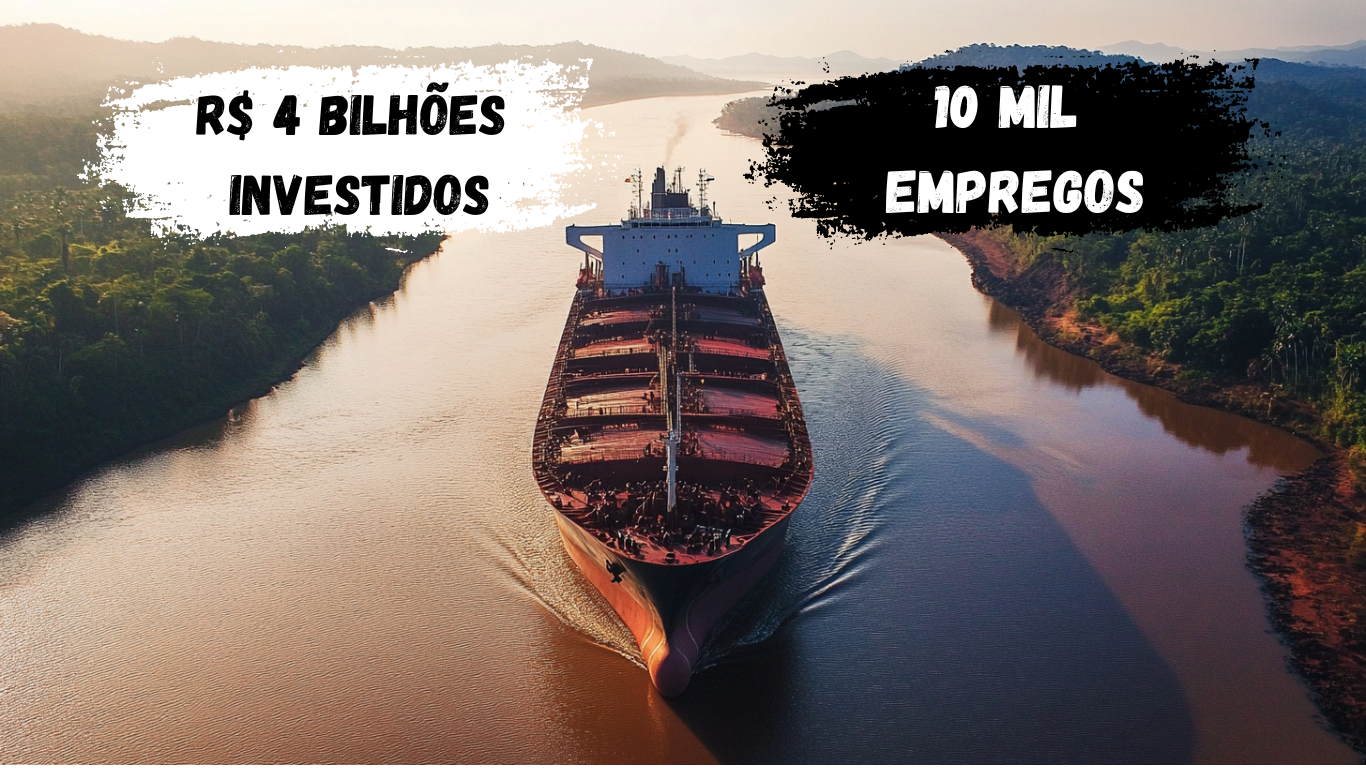
With a historic investment, Brazil is preparing to transform its capacity for river transport of minerals, boosting the economy and promoting sustainability. This investment aims to modernize naval infrastructure, increase logistical efficiency, and create thousands of new jobs across the country.
Fleet Expansion and Regional Impact
Over the next four years, 400 barges and 15 push boats will be built, strengthening transportation logistics on the Paraná and Paraguay rivers. This strategic project plans to allocate new vessels to six shipyards in the Northeast, North, South, and Southeast regions, expanding the capacity of the national fleet and promoting regional development, according to diariodepernambuco.
The Shipbuilding Industry and the Commitment to Sustainability
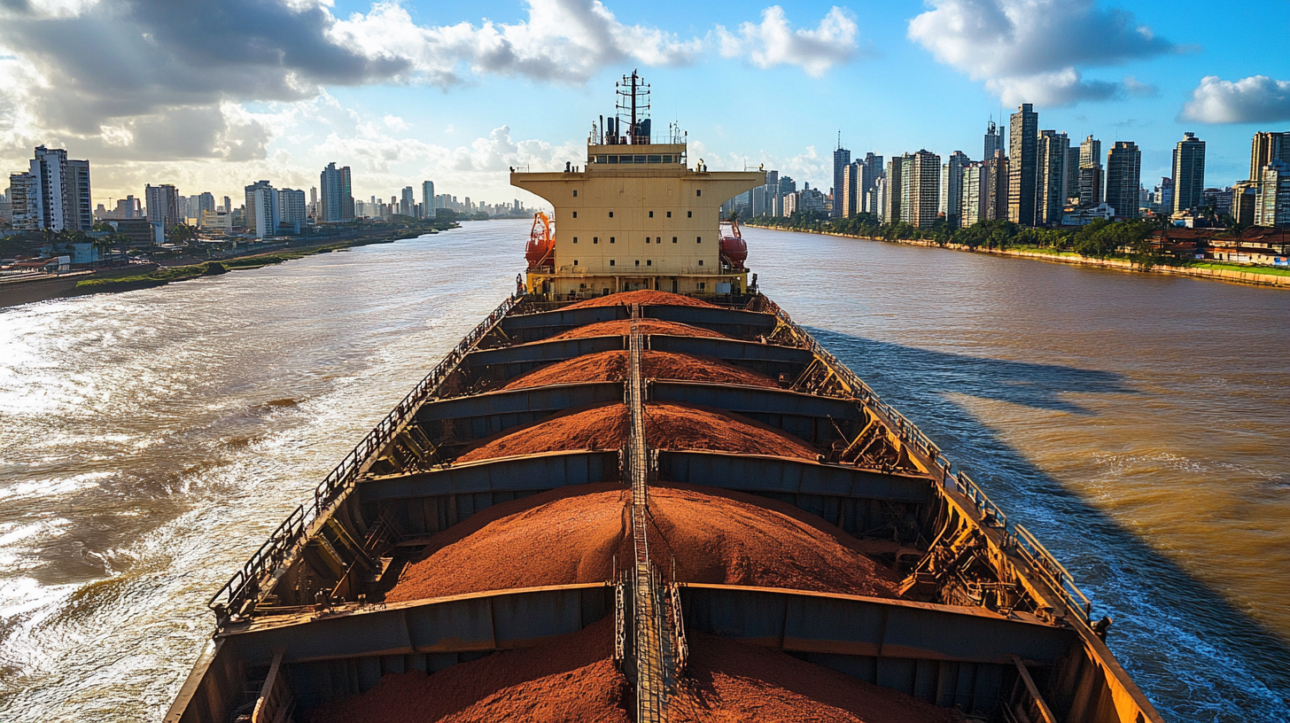
According to Minister Sílvio Costa Filho, this is the largest inland navigation program ever implemented in Brazil, demonstrating the federal government’s commitment to a clean and sustainable industry. However, the financing, made possible by the Merchant Marine Fund (FMM) and the BNDES, will inject R$ 3.7 billion into the economy, encouraging the transport of raw materials and creating new job opportunities.
-
Three Chinese companies manufacture more than 96% of the world’s dry cargo containers and 100% of refrigerated ones, in a dominance built over 40 years that has made it almost impossible for the West to compete in this market.

-
The Panama Canal stores water in Gatún and Alhajuela lakes to maintain 38 daily crossings and prevent a drought linked to El Niño from once again stalling ships, raising freight rates, and putting pressure on global supply chains as occurred in 2023 and 2024.

-
While the US Navy still relied for decades on the subsonic Harpoon and Tomahawk missiles for naval combat, the US Air Force reactivated the AGM-183A ARRW program on May 12, 2026, in an anti-ship version capable of making a Nimitz-class aircraft carrier disappear in minutes.

-
While commercial hydrogen fuel cells do not exceed 80 degrees Celsius due to the requirement of liquid water in the membranes, researchers at Monash University on May 18 made an ultrathin graphene and boron nitride-based membrane operate at 250 degrees Celsius without needing water.


Waterways: Emission Reduction and Development in River Transport of Minerals
With 12 thousand kilometers of navigable waterways, Brazil is well positioned to expand even further, reducing CO2 emissions by 95% compared to road transport. This strategy not only meets sustainability goals but also improves the country’s logistical infrastructure.
Impact on Professionals’ Lives and Regional Integration
Professionals like Eduardo Santana, from the Rio Maguari shipyard, are examples of the direct benefits of this investment, which offers financial stability and personal growth opportunities. This project not only strengthens the shipbuilding industry and the transportation fleet but also reinforces regional integration through the Paraguay-Paraná Waterway, connecting Brazil with Paraguay, Argentina, and Uruguay. Therefore, with a focus on sustainable growth, this initiative is aligned with global decarbonization and economic development goals.