Portuguese
  Spanish



Brazil and China Advance in SAF Production, Boosting Renewable Fuels for Aviation, Technical Innovation, and Emission Reduction in the Global Air Transport Sector
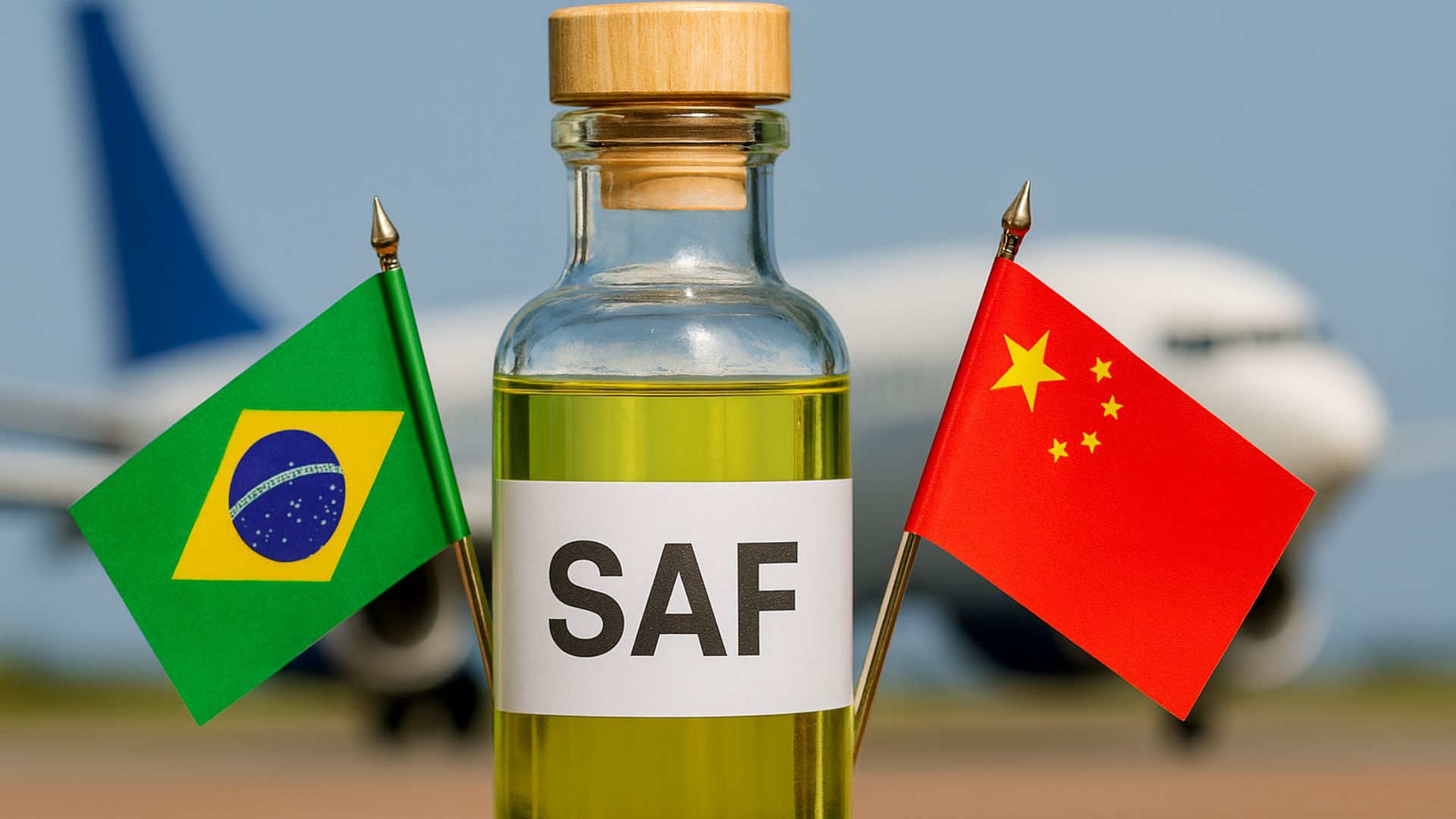
On Monday, October 13, 2025, Brazil and China formalized a strategic agreement to boost the production of sustainable aviation fuel (SAF), marking a significant advance in the global decarbonization agenda and innovation in the air transport sector.
The memorandum of understanding was signed during the visit of Chinese authorities to Brazil, highlighting the alignment between the Ministry of Ports and Airports and representatives of the Chinese government, as reported by the Petronotícias portal.
Strategic Partnership Between Brazil and China Strengthens Innovation and Sustainability
This agreement represents a historic milestone for international cooperation in renewable fuels, with the potential to transform the air transport sector and significantly reduce carbon emissions.
-
US$ 7 billion, green hydrogen, and steel with up to 95% less CO₂: the first green steel plant on the planet emerges in Sweden and targets Brazil as the next chapter

-
Swedes manage to create synthetic fuel with CO₂, water, and renewable energy, compatible with current engines, but face a huge problem: the energy expenditure is still double the return.
-
Brazil begins to transform wheat, residues, sweet potatoes, and soy molasses into ethanol, in a new phase of biofuels that seeks to utilize leftovers from the field and industry to fuel flex-fuel cars.

-
Sebrae and Petrobras join forces in Ceará to include waste pickers in the circular economy and strengthen the biofuel chain, creating new income opportunities and expanding the sustainable use of waste with a direct impact on regional development.

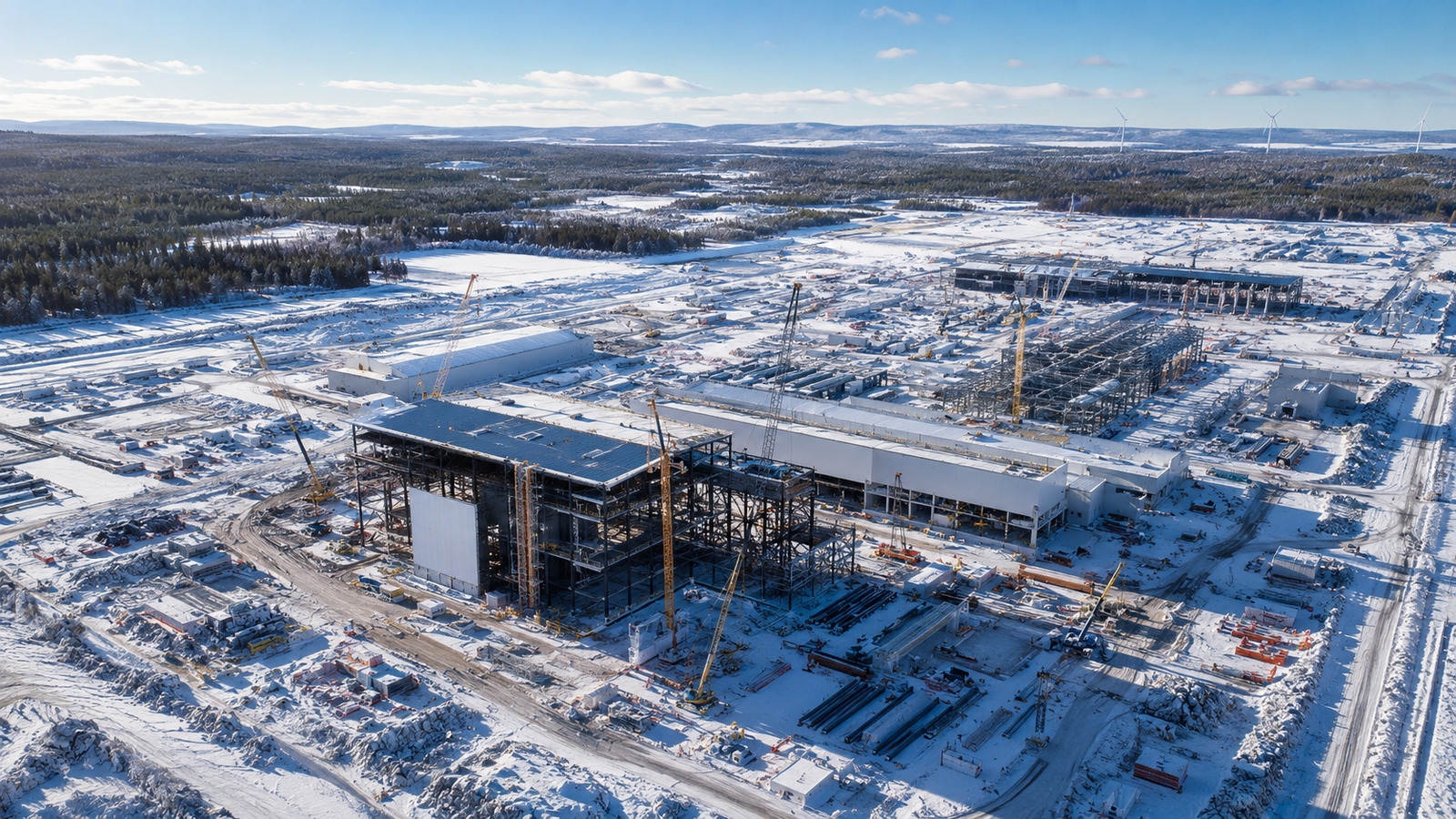



The signing of the memorandum between Brazil and China aims to enable large-scale SAF production, using advanced technologies and renewable raw materials, such as sugarcane ethanol.
China, in turn, seeks to diversify its clean energy sources and sees Brazil as a strategic partner due to its national expertise in biofuels and abundance of natural resources. The collaboration envisions technological exchange, bilateral investments, and the development of sustainable production chains.
Sustainable Aviation Fuel (SAF): Solution for the Decarbonization of the Air Transport Sector
The sustainable aviation fuel (SAF) is a renewable alternative to traditional kerosene, produced from organic waste, vegetable oils, and biomass.
According to the International Air Transport Association (IATA), SAF can reduce CO₂ emissions by up to 80% over the fuel’s life cycle compared to conventional fossil fuel.
The adoption of SAF is considered one of the main strategies to achieve the goal of net-zero carbon emissions in aviation by 2050, as established by the international air transport sector. Countries such as the United States, Germany, and Japan are already heavily investing in this technology, and Brazil positions itself as a regional leader in this movement.
The Executive Secretary of the Ministry of Ports and Airports, Tomé Franca, viewed the partnership with the Chinese university Cafuc positively. The initiative reflects a shared vision that the challenge of decarbonizing aviation is a global responsibility.
Although the statement emphasizes the importance of international academic cooperation, it does not mention relevant initiatives already underway in Brazil, such as Acelen’s project, which is in an advanced stage to enable SAF production in the country.
Details of the Agreement Between Brazil and China: Goals, Investments, and Prospects
The memorandum signed between Brazil and China establishes the following objectives:
- Joint development of technologies for SAF production
- Creation of research and innovation centers for renewable fuels
- Promotion of sustainable agricultural production to supply the SAF chain
- Facilitation of bilateral investments and tax incentives
- Integration of public policies aimed at decarbonizing the air transport sector
China, with its growing demand for domestic and international flights, represents a strategic market for export and technological cooperation.
Renewable Fuels as Pillars of the Global Energy Transition
The partnership between Brazil and China reinforces the importance of renewable fuels as pillars of energy transition. In addition to SAF, Brazil is a world reference in the production of ethanol and biodiesel, with consolidated public policies and advanced infrastructure.
International collaboration is essential to accelerate the adoption of clean solutions, especially in hard-to-decarbonize sectors like air transport. The agreement also contributes to meeting the climate commitments made by both countries in the Paris Agreement.
Economic and Environmental Impacts of SAF Production
SAF production brings significant benefits:
- Reduction of greenhouse gas emissions
- Job creation in the agricultural and industrial production chain
- Strengthening of the green economy and the bioindustry
- Increased competitiveness of Brazil in the international clean energy market
Brazil, with its clean energy matrix and agricultural capacity, has the potential to become one of the world’s leading exporters of SAF.
Challenges to Consolidate SAF as Sustainable Aviation Fuel
Despite the progress, there are still challenges to be overcome:
- High production costs compared to traditional kerosene
- Need for international certifications and technical standardization
- Logistical infrastructure for distribution and storage
- Skilled labor training
The agreement between Brazil and China envisions coordinated actions to tackle these obstacles, including incentives for research, subsidies for production, and partnerships with universities and technological centers.
SAF and Technological Innovation: The Role of Research and Development
Technological innovation is one of the pillars of the agreement between Brazil and China. The creation of joint research centers will enable the development of new SAF production routes, focusing on energy efficiency, cost reduction, and sustainability.
The integration between universities, businesses, and governments will be essential to accelerate the maturation of technologies, as well as to train qualified professionals to act in the renewable fuel production chain.
Prospects for the International Air Transport Sector with the Advancement of SAF
With the growing demand for flights and the pressure for sustainable solutions, SAF emerges as a protagonist in the transformation of the air transport sector. The partnership between Brazil and China can serve as a model for other nations, demonstrating that international cooperation is viable and necessary to face climate challenges.
Furthermore, SAF production can drive regional development, especially in agricultural areas, promoting economic inclusion and sustainability.


Pathways to a Cleaner and More Connected Future
The signing of the agreement between Brazil and China to develop sustainable aviation fuel (SAF) is a landmark in the fight against climate change and in promoting energy innovation. The initiative strengthens Brazil’s position as a leader in renewable fuels and opens up new opportunities for international cooperation.
With strategic investments, integrated public policies, and environmental commitment, the future of aviation can be cleaner, more efficient, and sustainable. The Sino-Brazilian partnership is an example of how global collaboration can generate concrete solutions to the challenges of the 21st century.