Portuguese
  Spanish


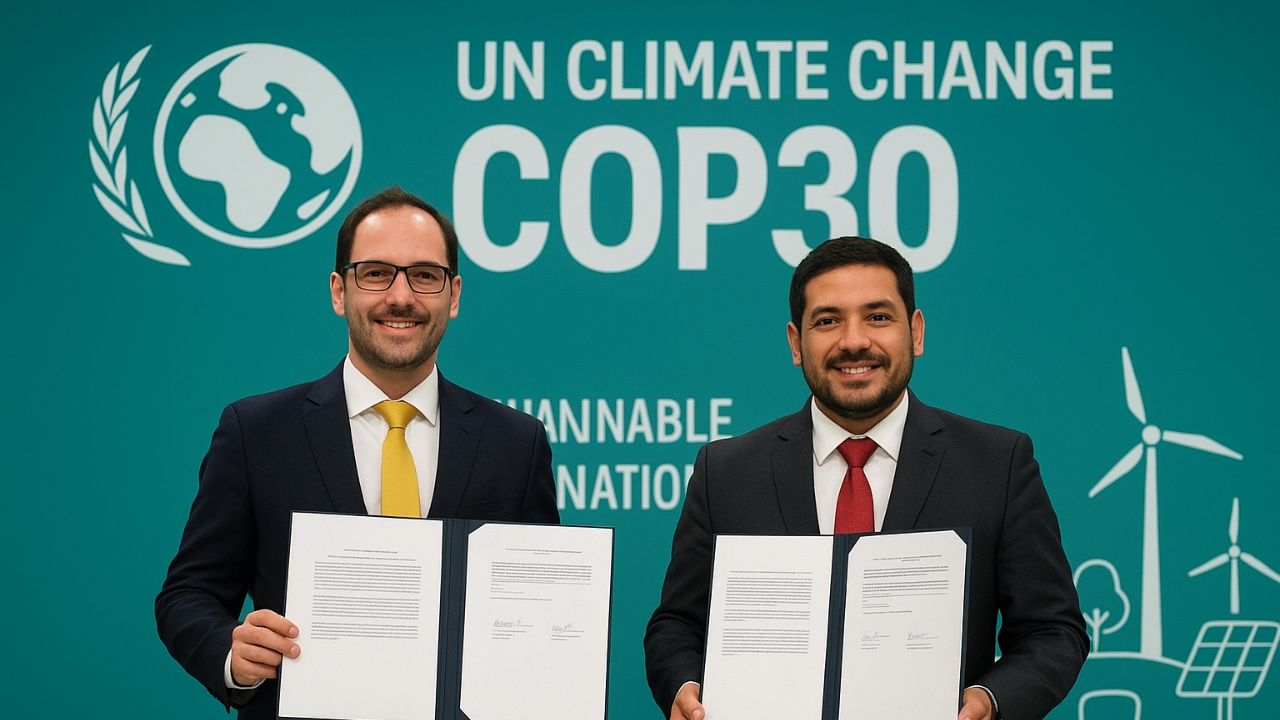


Brazil and Paraguay Strengthen Cooperation in Solar Energy with an Agreement Signed at COP30 Between ABSOLAR and APES, Expanding Integration, Innovation, and Sustainable Projects in the Sector.
Solar energy gained new momentum during the COP30. This is because ABSOLAR from Brazil and APES from Paraguay have signed a cooperation agreement aimed at the joint expansion of the sector.
The document, signed by Rodrigo Sauaia and Pablo Zuccolillo, highlights the importance of integrating efforts to accelerate the energy transition and expand sustainable solutions. Although the dialogue between the two countries is historic, the partnership now gains new relevance in light of the technological opportunities arising on the continent.
Technical Cooperation Strengthens Exchange and Sharing of Best Practices
According to information from ABSOLAR, the agreement provides for a continuous exchange of experiences, data, and best practices between the two entities. Thus, the objective is to strengthen both the development of solar energy and other clean technologies. The associations understand that, with this integration, it will be possible to expand the reach of sustainable policies and promote faster advances in the energy infrastructures of both countries.
-
More than 1,000 residents of a remote island in Kiribati now have clean water and electricity with solar systems operated by the community itself.

-
Island in Brazil Innovates by Installing 184 Solar Panels on Urban Lagoon to Generate Clean Energy
-
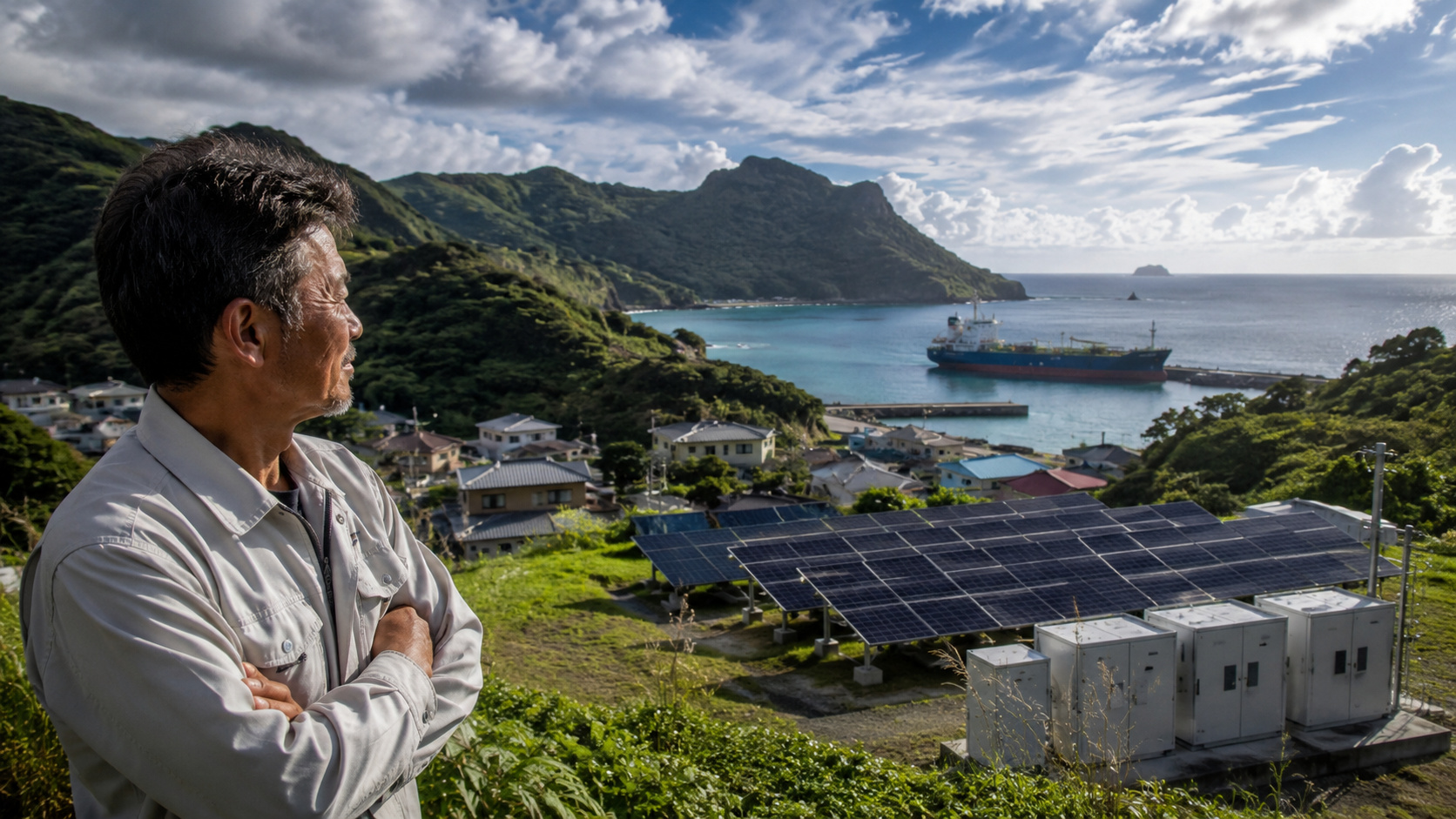
Japanese Island of 417 Residents to Test Living Half the Year Solely on Solar Power, Reducing Dependence on Diesel Brought by Ship
-
Brazilian Fishermen Use Solar Power to Produce Nearly One Ton of Ice Daily, Preventing Fish Spoilage Before Reaching Market



Sauaia emphasized that the initiative can accelerate the adoption of innovative solutions. “With solar energy, storage systems, fleet electrification, and new projects with green hydrogen and data centers, we can, in a short time, make the Brazilian electric matrix even cleaner and more sustainable,” he stated.
Solar Energy Gains Regional Prominence and Opens Doors to New Markets
Moreover, Sauaia stressed that ABSOLAR is committed to increasing cooperation with APES to strengthen bilateral trade. For him, the agreement directly contributes to economic, social, and environmental growth. “The agreement strengthens relations between Brazil and Paraguay, generating opportunities for both markets and promoting social, economic, and environmental growth,” he commented.
Meanwhile, Pablo Zuccolillo, the Paraguayan representative, reinforced that the development of solar energy plays a fundamental role in regional advancement. He emphasized that the use of the renewable source can boost competitiveness, inclusion, and energy security.
Partnership Leans on the Historical Bond of Itaipu and Advances Towards Emerging Technologies
The agreement also seeks to expand the cooperation that has existed for decades through Itaipu. Thus, the partnership evolves into new technological fronts, such as floating solar energy — a solution increasingly discussed in large-scale projects. For Zuccolillo, this movement broadens the diversification of the energy matrices of both countries and strengthens electrical security.
“Based on the long cooperation of Itaipu, the partnership advances towards technologies such as floating solar energy. The project reinforces the diversification of the energy matrix and the electrical security of both countries. The agreement promotes renewable infrastructure, innovation, and public-private collaboration. Both entities reaffirm their commitment to sustainability and universal access to clean energy,” he emphasized.