Portuguese
  Spanish




Large Country and Road Infrastructure Hinders Electric Transition
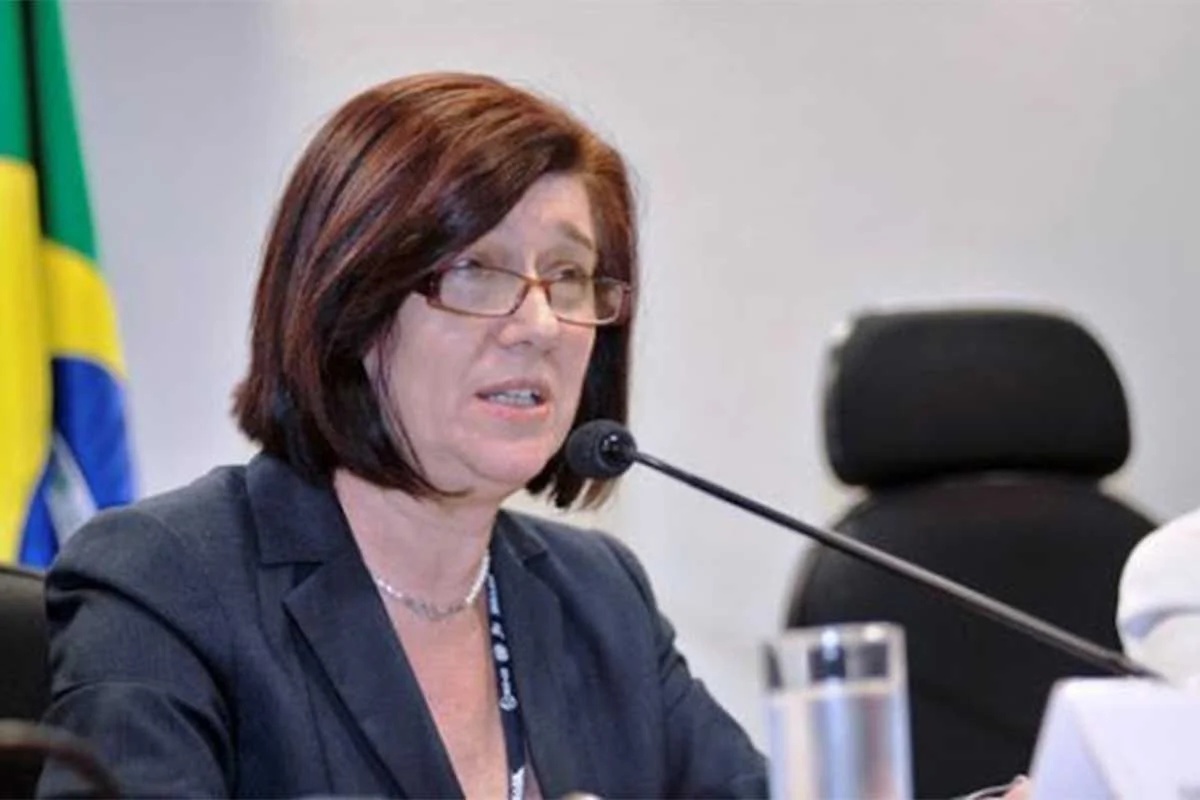
The CEO of Petrobras, Magda Chambriard, stated this Tuesday, September 2, 2025, that fully electrifying the Brazilian fleet is an extremely difficult mission.
The executive explained that the country faces structural and geographical barriers that limit the advancement of 100% electric cars.
During the Bloomberg New Voices event held in São Paulo (SP), she argued that Brazil will move towards a predominantly hybrid automotive future.
-
Electric and Hybrid Cars Set to Transform Brazilian Streets: A New Era Begins

-
Chinese Giant Invests $1.3 Billion in Brazil to Produce 50,000 Cars Annually, Create Jobs, Develop Local Suppliers, and Manufacture Electric, Hybrid, and Combustion Models by 2027

-
Unprecedented achievement in India: a colossal 650-ton, nearly 3,000 hp excavator is transformed into 100% electric, marking a new phase in heavy mining.
-
Frightened by the speed of Chinese manufacturers, Renault decided to mimic the pace, made the new electric Twingo in just 21 months, wants to repeat the feat with 36 models by 2030, and along the way, will cut up to 2,400 engineering positions.

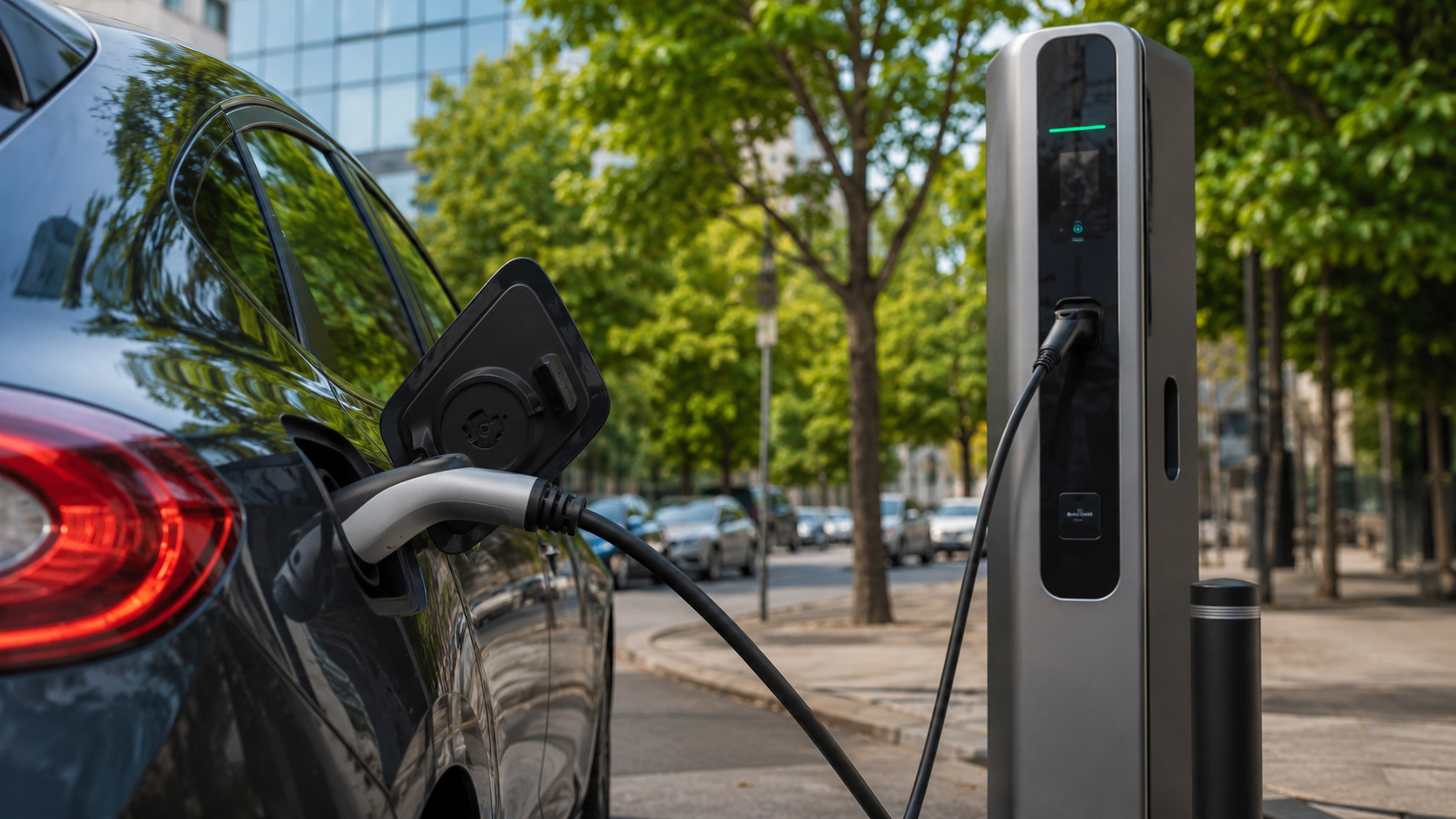
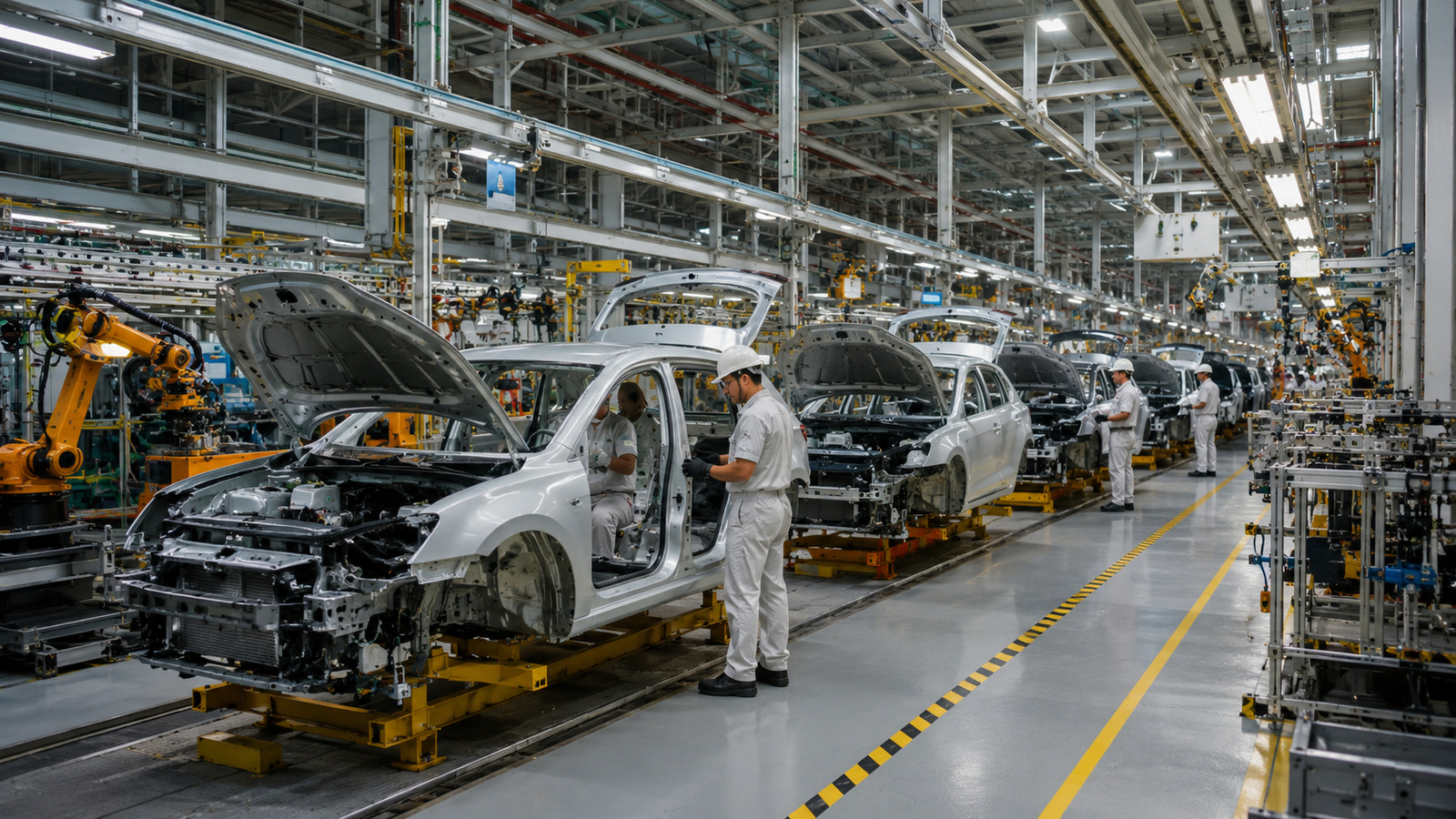
The proposal considers the combination of electric motors and fossil fuels.
According to the state leader, this approach will reduce the demand for oil derivatives in a more realistic way.
Energy Transition Requires Viable Alternatives
Furthermore, Chambriard declared that, despite being an enthusiast of fossil fuels, she recognizes the importance of reducing their consumption.
Therefore, she bets on plug-in hybrid vehicles as a more effective pathway than pure electric vehicles.
According to her, this trend is already underway in Brazil.
The CEO emphasized that the territorial extension of the country and its logistical dependence on road transport make complete electrification of the fleet an almost impossible task.
As justification, she cited that Brazil is larger than the distance between Moscow and Lisbon.
The executive also stated that the country is enormous, runs on wheels, and depends on the basic basket being transported by trucks.
Brazilian Energy Matrix Is Considered a Reference
Magda Chambriard emphasized, during her speech, that Brazil already serves as a global example in clean energy matrix.
According to her, Petrobras played a fundamental role in helping Brazil achieve a 52% clean energy matrix.
Additionally, the executive hopes that the country will reach 64% renewable energy by 2050.
She highlighted that this advancement reinforces Brazil’s position in the global energy transition.
To complement, she stated that oil extracted in Brazil has low greenhouse gas emissions.
This level of emissions, according to Chambriard, is lower compared to the world average.
ESG and Low Emission of National Oil Were Highlighted
The executive reinforced that the Brazilian oil and gas sector, while responsible for 25% of greenhouse gas emissions in the country, is committed to ESG practices.
Comparing to the global scenario, Chambriard highlighted that in the rest of the world this number exceeds 60%.
With that, she argued that Brazil is consistently and realistically accelerating the energy transition.
She also stated that Brazilian oil has very low emissions levels.
This, according to the CEO, reinforces the competitiveness and sustainability of national production.
Commercial Dispute with US Does Not Worry Petrobras
On the same occasion, Magda commented on the trade war driven by former US President Donald Trump.
According to her, Brazilian oil was not directly targeted by tariffs, which minimized the impacts on Petrobras.
In addition, she emphasized that the company’s products can be easily directed to other markets.
She cited India and China as examples of viable destinations, even amid trade tensions.
Indian authorities have reportedly shown increasing interest in purchasing Brazilian derivatives, including oil and other fuels.
Expectation of Dialogue with the US Remains Positive
Regarding the Brazilian government’s stance in negotiations with the White House, Chambriard stated that, for this reason, she expects good conduct from President Luiz Inácio Lula da Silva.
Moreover, she highlighted that, historically, Lula has proven skilled at making good agreements and keeping international dialogue active.
For this reason, the CEO stated that she fully trusts the president’s potential, as he tends to act with balance in commercial relations.
Consequently, Chambriard believes that Lula can ensure calmer seas between Brazil and the United States, even amid geopolitical turbulence.
In other words, the executive bets that, with dialogue and strategy, Lula will avoid commercial ruptures and keep channels open with the White House.
She said: “What I expect from Lula is what he does best, which is a good conversation and achieving good agreements.”