Portuguese
  Spanish


Despite Progress, Brazil Remains Below Literacy Goal: Only 59.2% of Children Up to Seven Years Old Can Read and Write. Regional Inequalities and Structural Failures Still Limit Educational Progress
Brazil has taken an important step, but it is still insufficient in the fight against child illiteracy. According to the Child Literacy Indicator (ICA), released by the National Institute of Educational Studies and Research Anísio Teixeira (Inep), 59.2% of children up to seven years old can read and write simple texts, a result that is below the national goal of 60% set for 2024.
The index represents an improvement compared to the previous year, when the percentage was 56%, but it also shows that thousands of Brazilian children still reach the 2nd year of Elementary School without basic reading and writing skills. This data is concerning because literacy is considered the foundation for the entire school learning process.
Regional Differences Show Two Brazils
The numbers show a country divided between advances and setbacks. Ceará, for example, is a national success story: 85.3% of children up to seven years old are already literate, according to the ICA. The state has maintained a consistent policy of promoting literacy since 2007, with teacher training, awards for municipalities, and clear goals for each school.
-
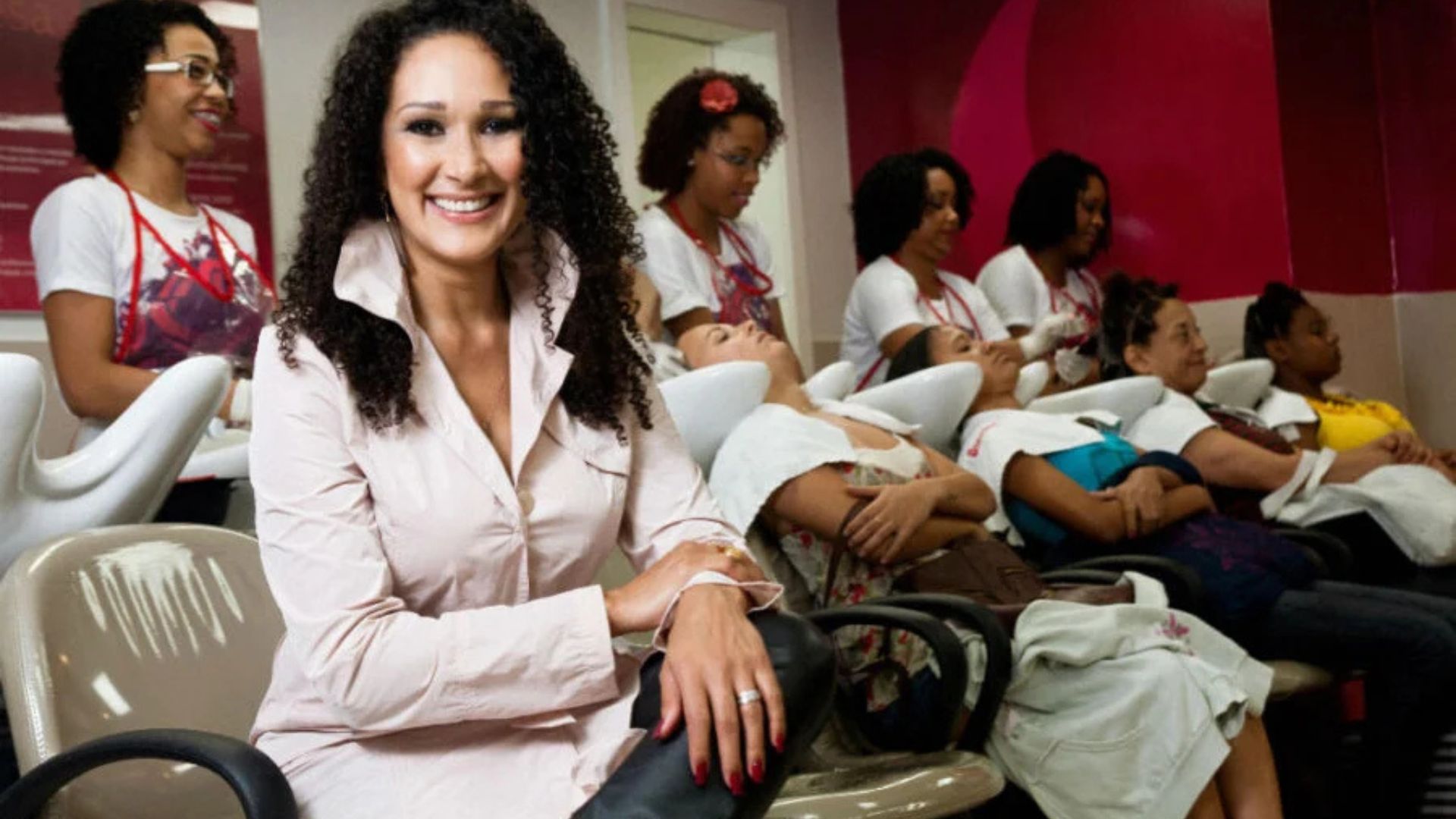
Daughter of a Cleaner and a Doorman Started at McDonald’s at 14, Opened a Salon for Curly Hair at 19, and Helped Grow it into a Network with Thousands of Employees

-
Whale with Scoliosis Spotted in Spain, Baffling Experts After Being Mistaken for Entangled Animal

-
Son of Poor Farmers Fled Home Four Times Seeking Work, Founded Hyundai, and Transformed It into a Global Industrial Giant in Over 190 Countries
-
13-Year-Old Raises Funds to Build Well, Transforming Lives in Cambodian Community Lacking Clean Water




On the other hand, Rio Grande do Sul has seen a sharp decline, dropping from 63.4% to just 44.7%. The state government attributes the result to historic floods that affected hundreds of schools in 2024, disrupting the academic calendar and testing processes. Northern and Northeastern states also show significant internal disparities, with municipalities that exceeded the goal and others that did not reach half of the expected index.
According to the Ministry of Education, 58% of Brazilian municipalities improved their results compared to 2023. Nevertheless, the national average increase was only 3.2 percentage points — insufficient to reach the goal. This variation reflects how the quality of education depends on local management, teacher training, and school infrastructure conditions.
Why the Country Did Not Reach the Goal
Education experts point out that the Brazilian challenge goes beyond the numbers. The National Commitment to Child Literacy, launched in 2023, aims to unify state and municipal policies, but implementation is still unequal. There is a lack of resources, ongoing training, and more accurate monitoring mechanisms to measure learning in real time.
The delay in literacy is also directly related to the impacts of the COVID-19 pandemic, which interrupted in-person education for nearly two years. Children who started school in 2020 and 2021 were the most affected and still face difficulties in regaining their reading and writing pace.
Moreover, the deficit in school infrastructure, especially in rural areas and urban peripheries, hinders literacy development. Overcrowded classrooms, shortages of educational materials, and lack of libraries make the process slower and more unequal.
The coordinator of the Todos Pela Educação movement, Priscila Cruz, said in an interview with CNN Brasil that “progress exists, but it is not enough. We must accelerate the pace if we want to reach 80% by 2030.” According to her, the country needs to invest in teacher training and continuous assessment to prevent the problem from persisting.
Goal of 80% by 2030: Ambitious Challenge
The federal government has set a goal of 80% of children literate by 2030, within the goals of the new National Education Plan (PNE). The proposal is to strengthen cooperation between the Union, states, and municipalities and to consolidate a national system for monitoring learning.
For experts, reaching this level will require doubled current advancement pace and ensuring continuity in public policies, regardless of management changes. Ceará’s experience shows that significant results are possible when there is long-term planning, measurable goals, and constant monitoring.
Local programs to encourage reading, distribution of books, and family involvement have proven effective in several regions. Municipalities like Sobral (CE), Curitiba (PR), and Teresina (PI) rank among the best literacy rates in the country.
However, if states with low performance fail to respond, Brazil may increase educational inequalities and compromise the development of an entire generation. Educating a child at the right age is not just a pedagogical goal but a matter of citizenship, social inclusion, and educational justice.
Inep emphasizes that the indicator will continue to be applied annually, based on state assessments, to allow tracking of goals and guide the implementation of more effective policies. The Ministry of Education also promises to expand technical and financial support to municipalities facing greater learning difficulties.
The Road Ahead is Long
Despite the country being less than one percentage point from the goal, the result clearly shows that the challenge of literacy is far from overcome. The progress is real, but slow. While some states are establishing robust and efficient education systems, others are still struggling to ensure the basics.
The future of Brazilian education will depend on continuous policies, consistent investments, and the recognition of teachers, who are central to any educational transformation.
The Child Literacy Indicator is a mirror of Brazil: it reveals the efforts of thousands of educators while also highlighting the gaps that still separate our students from the opportunities they deserve.