






 Portuguese
  Spanish


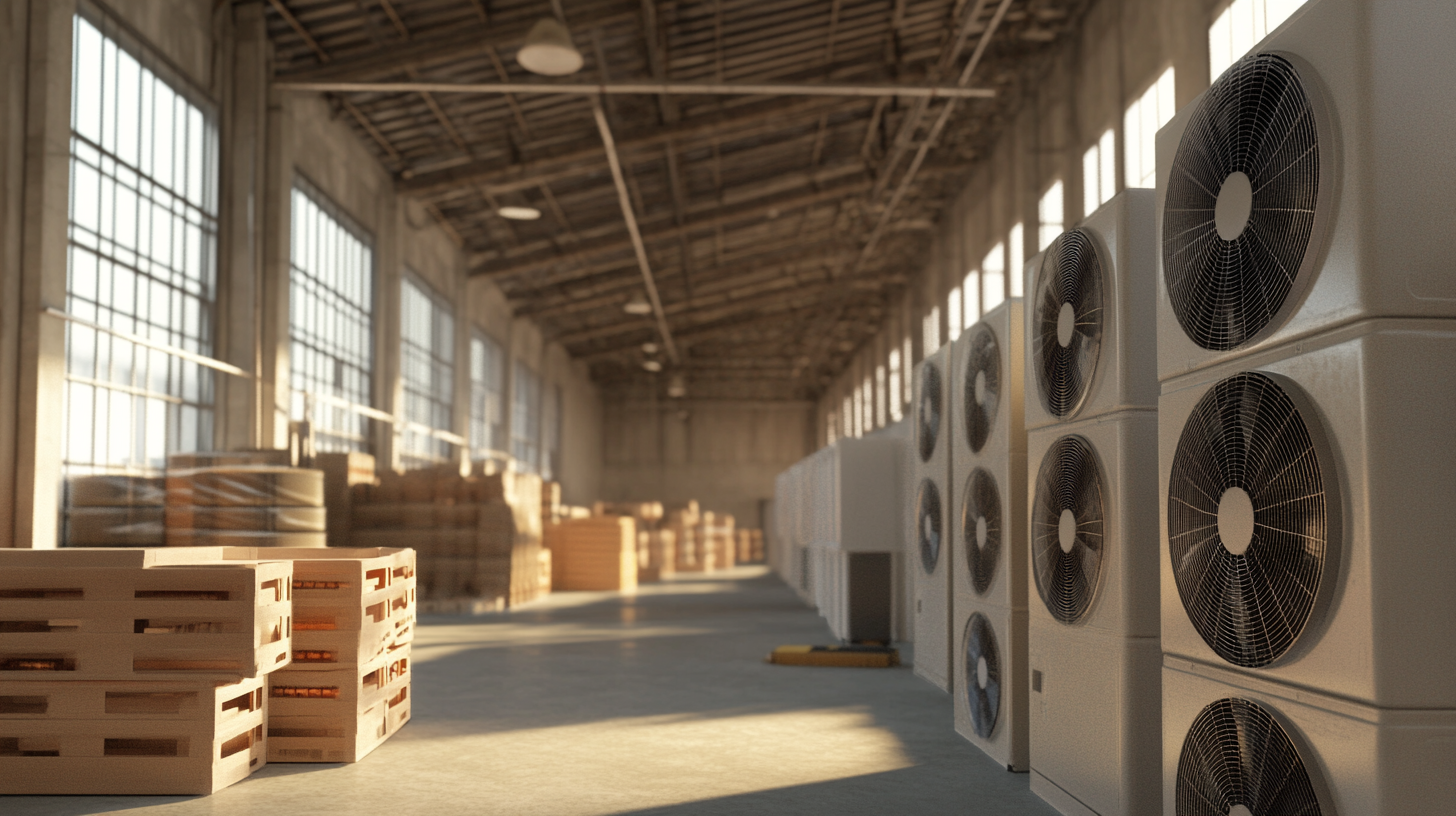


Increase In Demand And Economic Factors Driven Production Resulting In Significant Growth In The Electronics Sector In 2024
With significant growth, Brazil has reached the second position among the largest manufacturers of air conditioning in the world, only behind China. This surprising change is attributed to a combination of factors, including climatic conditions and robust economic growth. The increase in temperatures, combined with growing awareness of the importance of thermal comfort and quality of life, has made the demand for climate control systems a priority in homes and workplaces.
Growth Of The Electronics Industry In 2024
In 2024, the electronics industry in Brazil grew 29% compared to the previous year, with 117.7 million units of various products sold, such as refrigerators, televisions, fans, and filters.
Highlighting this scenario was the air conditioning, which achieved a historic record of 5.9 million units produced, representing a 38% increase between 2023 and 2024.
-
16-Year-Old from Brazil’s Sertão Wins Young Scientist Award for AI Predicting Rainfall with 94.5% Accuracy to Aid Farmers

-
Netherlands Reports First Child Euthanasia Case Since Rule Expansion for Minors

-
Brazilian Innovator Survives Homemade Submarine Dive in Paraty Despite Hatch Leak and False Oxygen Alarm
-
Family Quietly Transforms Old Sawmill into $700 Million Business, Opens 25 Stores in Two Years Across 22 Brazilian States


This growth not only reflects demand but also the ability of Brazilian industries to adapt and innovate in a competitive market.
Economic And Climatic Factors Drive The Sector
Jorge Nascimento, president of Eletros, an association that brings together 36 companies from the sector, highlighted that two main factors contributed to this significant growth.
The first is economic, including an increase in job creation and greater control of inflation in the first half of last year.
The reduction of interest rates by the government also facilitated the acquisition of products, which are usually bought in installments, allowing more people to invest in electronics.
The second factor is climatic, with elevated temperatures leading the population to seek more comfort and well-being in their homes.
The phenomenon of climate change, which has made summers hotter and longer, has also contributed to this growing demand.
Positive Results In Brown Line And White Line
The brown line segment, which mainly includes televisions, also showed remarkable results.
In 2024, production reached 13.5 million units, a 22% increase compared to 2023, becoming the highest production in the last 10 years and the second highest in history.
The white line, which includes refrigerators, stoves, freezers, and washing machines, recorded a 17% growth in 2024, with 15.6 million units produced, demonstrating a return to pre-pandemic levels.
This recovery is a positive sign for the Brazilian economy, which seeks to recover from the impacts of the COVID-19 pandemic.
Demand For Air Conditioning And The Future Of The Industry
During a meeting with President Luiz Inácio Lula da Silva and other ministers, Nascimento presented these impressive results and emphasized the importance of maintaining a favorable economic environment for the sector.
He highlighted that good economic performance, with fiscal adjustments and inflation control, is crucial for the continuity of growth. “If we maintain the same conditions as in the first half of last year, we expect to repeat the numbers of 2024, with a more optimistic growth version of 10%,” he stated.
Moreover, the need for technological innovation and energy efficiency has become an important focus for air conditioning manufacturers, aligning with global sustainability trends.
Celebration Of The Growth Of The Durable Goods Industry
The vice president Geraldo Alckmin also spoke, highlighting that the 29% growth in the durable goods industry is an exceptional achievement in a challenging global scenario.
He cited the increase in employment and income, along with the government’s industrial policies, as fundamental factors for this positive outcome.
The Brazilian government has been promoting tax incentives and financing programs to stimulate the sector, which has contributed to the expansion of production and job creation.
Eletros represents about 200,000 workers and contributes 3% to the Gross Domestic Product (GDP) of the national industry, showing the relevance of this industry in the Brazilian economic context.
The combination of climatic and economic factors has not only driven the production of air conditioning but has also brought good news for the entire electronics production chain, celebrating a moment of optimism and growth in the sector.
As Brazil continues to position itself as a leader in the manufacturing of electronics products, the expectation is that innovation and sustainability will become fundamental pillars for the future of the industry.
Additionally, with advancements in technology, new products, such as more efficient and eco-friendly air conditioners, are expected to gain prominence in the market.
This will not only meet the growing demand but also help minimize environmental impact, aligning with global sustainability goals.
The future of the electronics industry in Brazil looks promising, with expectations of continued growth and innovation over the coming years.
SOURCE: AGENCIABRASIL






Desgoverno não garante nem ovo, vai prometer o que?!