






 Portuguese
  Spanish


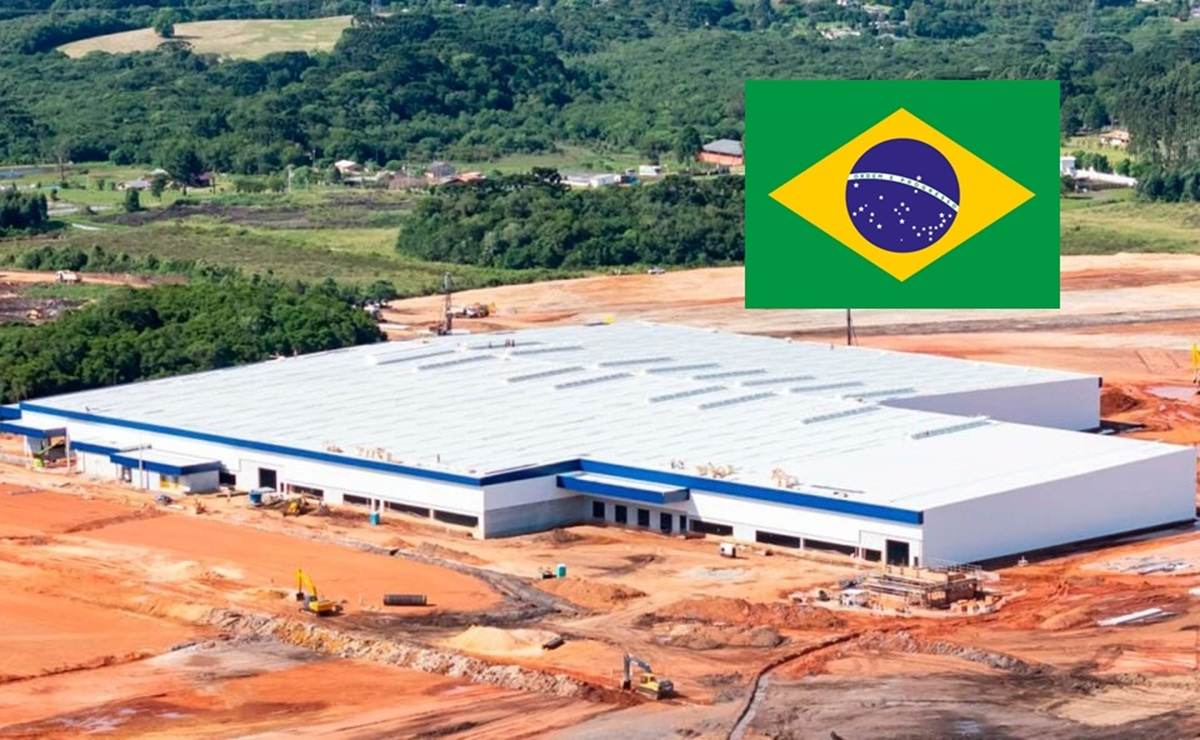


Electrolux Expands Its Presence in the Country with the Inauguration of Its Largest and Most Sustainable Factory in Latin America, Boosting National Production of Home Appliances and Reinforcing Brazil’s Strategic Position within the Global Operation.
Electrolux is having a busy 2025, with the highlight being the inauguration of its largest and most sustainable factory in Latin America, located in São José dos Pinhais. Leandro Jasiocha, CEO for Latin America, discussed the updates in an interview with CNN Brasil.
The CEO stated that Brazil has taken on an unprecedented role for the Swedish group.
In August 2025, when the company announced its industrial project, the investment was already drawing attention.
-
Brazilian Company Grows from Bartering Soap for Food to Producing 30 Million Units Monthly, Challenges Global Giants with $100 Million Revenue and Expands into Premium Cosmetics

-
Petrobras and Engeko’s New Investment Plan Promises Billions and Thousands of Jobs, Capturing Market Attention

-
JBS Halts Beef Production for China as Brazil Exceeds 50% of 1.106 Million-Ton Quota; Tariff May Rise from 12% to 67%, Raising Concerns Over Cattle Prices.

-
Brazil’s Social Security Alters Biometric Rules for Pensions and Benefits, Sets 30-Day Deadline, Expands Requirements, and Clarifies Who Is Exempt from Immediate Update


With an investment of R$ 700 million by 2026, the new plant became the largest investment from Electrolux in nearly a century of operations in the country. Now, months later, the company’s public discourse reinforces a consolidated strategy: expand presence, produce locally categories previously reliant on imports, and place sustainability at the center of the expansion.
Brazil Takes Global Lead in Brand Sales
On CNN, Jasiocha stated that the country has become the largest market in the world for the Electrolux brand, surpassing all others. According to him, this position has elevated Brazil to a strategic level within the group.
The executive explained that Brazil’s performance – present in over 70% of households – was decisive in driving the new investment cycle.
He emphasized that the project inaugurated in Paraná is the largest in Electrolux’s history in Latin America, reinforcing that the country plays a crucial role in the company’s growth targets.
New Factory Marks Change in Scale and Portfolio
With the São José dos Pinhais facility now inaugurated and operational, the company is advancing in categories that were previously entirely imported.
Blenders and fans will now be produced locally, with a projected final capacity of over 5 million items per year – a number that corresponds to 25% of the brand’s revenue from home appliances in Brazil.
The facility occupies 300,000 m2 of a total land area of 1.5 million m2 and is expected to generate two thousand jobs when fully operational.
The company claims to have developed specific technologies for the Brazilian market, such as fans with a range of 17 meters and a new crushing system for blenders.
Jasiocha stated that national production will allow for more competitive prices, expanding the competition for the vice-leadership in the home appliance market.
He also noted that the new plant is expected to surpass all other units of the group in production capacity by volume. Currently, the São Carlos factory leads this ranking, with 4.5 million units of stoves, washers, ovens, and cooktops.
Sustainability Becomes a Structural Element of the Factory
In the interview with CNN, Jasiocha detailed that the Paraná factory was designed to operate within the sustainability principles that guide the group globally.
He reiterated that the plant uses 100% renewable energy and does not send waste to landfills that are not certified. Internal vehicles are electric, the climate control system eliminates air conditioning and uses automated shutters to regulate temperature, and the complex includes 138,000 m2 of preserved native areas.
The CEO explained that sustainable initiatives increase costs, but the company seeks to offset this impact through efficiency gains.
According to him, adopting environmental practices does not mean ignoring economic viability, and Electrolux balances both elements through adjustments in operations.
The company also aims to achieve LEED environmental certification from the U.S. Green Building Council, making the new unit the first factory of the group worldwide to obtain this certification.
Globally, the company has set a goal to achieve zero carbon emissions by 2033, and the model adopted in Paraná symbolizes the path to reaching this goal.
Factory Reinforces Industrial Movement and Reduces Dependence on Imports
The introduction of blenders and fans into the Brazilian production line reduces dependence on imports, enhancing the brand’s competitiveness in the domestic market.
Jasiocha emphasized that the company studied local consumption habits before developing the new products, reinforcing that national production was designed to meet specific preferences of Brazilian consumers.
With over ten million units sold per year in these categories, Electrolux’s expectation is to quickly gain market share, leveraging technology, scale, and more efficient logistics.


Boa vou relata dói casos que aconteceu na minha família primeiro foi com uma máquina de lavar que com uma 3 anos de uso quebrou 2 vezes o agitador e a outra com 2 anos uma geladeira duples com água na porta teve um vazamento e foi condenada pelos técnicos então apartar destes fatos a família não investe nesta marca
Parabéns Electrolux pela nova unidade !!!
Produtos maravilhosos!!!
Que venha com muitas novidades!!!
Recomendo recomendo recomendo recomendo TODOS OS PRODUTOS ELECTROLUX,amo amo amo 😘