






 Portuguese
  Spanish


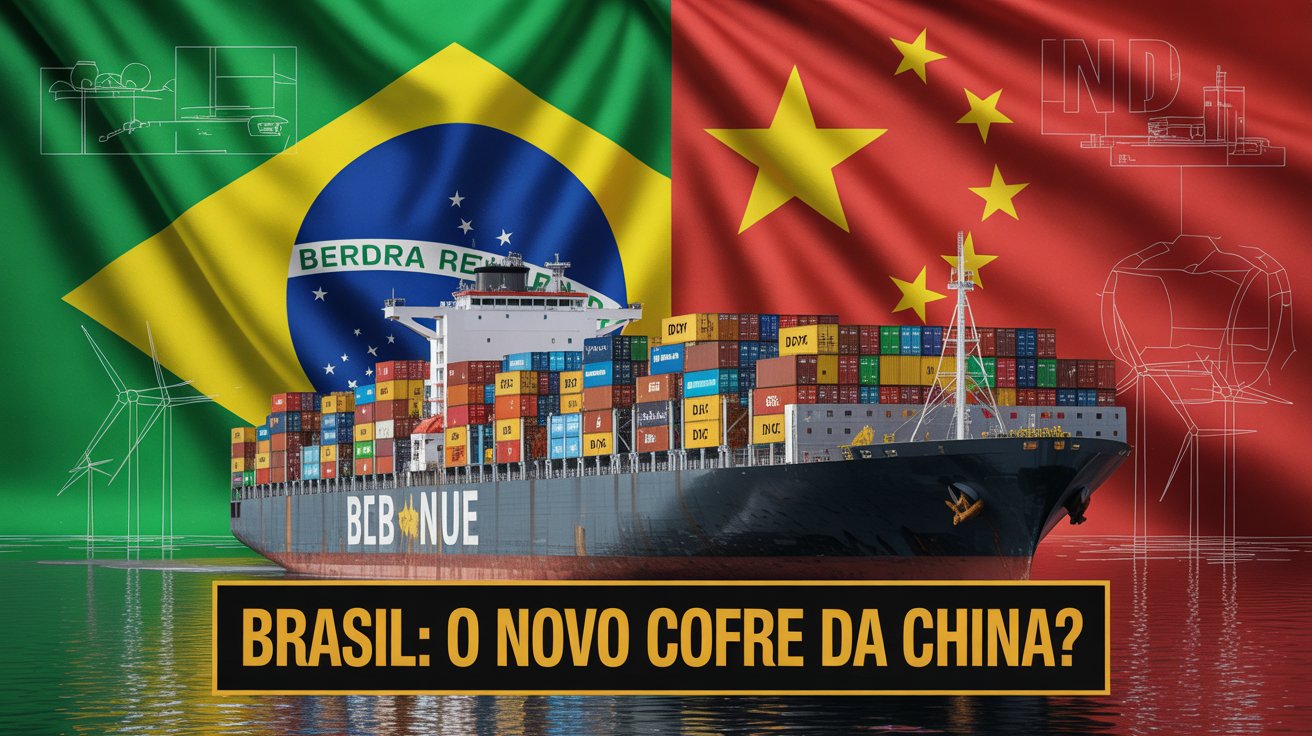


Brazilian Rare Earth Exports to China Register Significant Increase in 2025, with Growth That Highlights Brazil in the Global Scenario of Strategic Minerals and Intensifies International Competition for High-Tech Inputs.
Brazilian exports of rare earths to China saw unprecedented growth in 2025, consolidating a trend that draws the attention of specialists and authorities in the mineral sector.
According to a survey by the Brazil-China Business Center (CEBC) revealed by the website Poder 360, sales of this group of minerals to the Chinese market tripled in the first half of this year compared to the total volume exported in 2024, reaching US$ 6.7 million in just the first six months of the year.
This jump in exports occurs in a global context where these minerals are highly valued, used in strategic technologies and targeted by trade disputes among the world’s major economies.
-
Owner of Havan Visits Paraguay to Discuss Lower Taxes, Local Suppliers, and International Expansion with President

-
Brazilian Construction Retail Chain Closes After 60 Years, Begins Liquidation Sale Across Five Cities

-
Brazil Approves Landmark Bill Requiring Workplace Adaptations for Autism Inclusion

-
Brazil’s Micro-Entrepreneur Program May See Major Changes: Income Cap Could Increase to R$ 130,000, Annual Inflation Adjustments, and Allow Hiring of an Additional Employee



Although the value represents a fraction of the total Brazilian exports to China during the period — US$ 47.7 billion —, the advance draws attention due to the high international demand for rare earths, considered essential inputs for the high-tech industry.
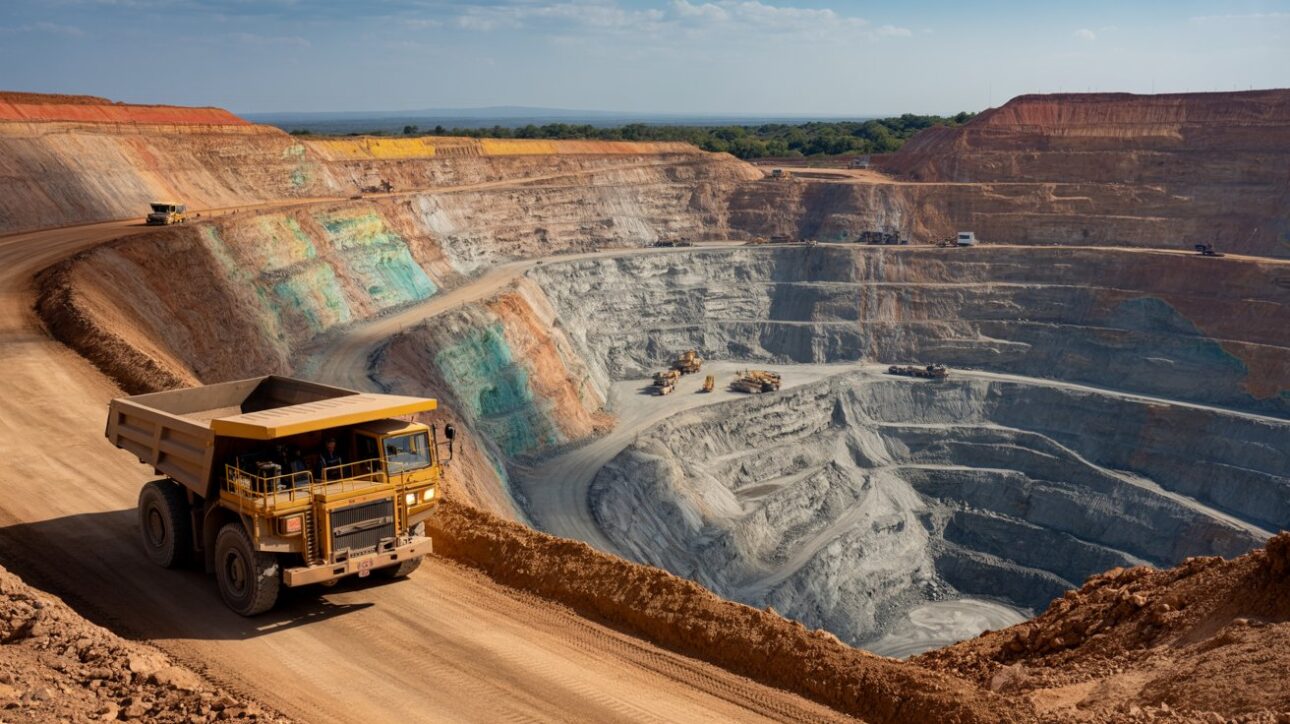
What Are Rare Earth Elements and Why Are They Strategic
The term “rare earths” designates a group of 17 chemical elements, whose properties are indispensable for the manufacture of high-performance components.
Among the main applications of these elements, the production of super-powerful permanent magnets stands out, which are essential for electric vehicle motors, wind turbines, electronic devices, and cutting-edge medical equipment.
The relevance of rare earths is such that they are at the center of negotiations between China and the United States, the main players in what is known as the trade war.
The control of the supply of these minerals has become a trump card at the negotiation tables, especially because China holds the global lead in both reserves and production.
According to the latest report from the U.S. Geological Survey (USGS), released in July 2025, Chinese territory concentrates 44 million tons in reserves, being responsible for about 70% of global production.
Brazil, for its part, ranks second in reserves, with approximately 21 million tons, but still exhibits production far below its potential.
Brazilian Rare Earth Exports to China
In the national scenario, Brazil ended the year 2024 with a production of only 20 tons of rare earths, a modest figure when compared to China’s performance, which reached 270,000 tons during the same period.
Experts point out that Brazil’s potential could propel the country to take a prominent role in the international market, provided it can overcome structural, technological, and regulatory challenges that still limit the exploration and industrialization of these minerals in national territory.
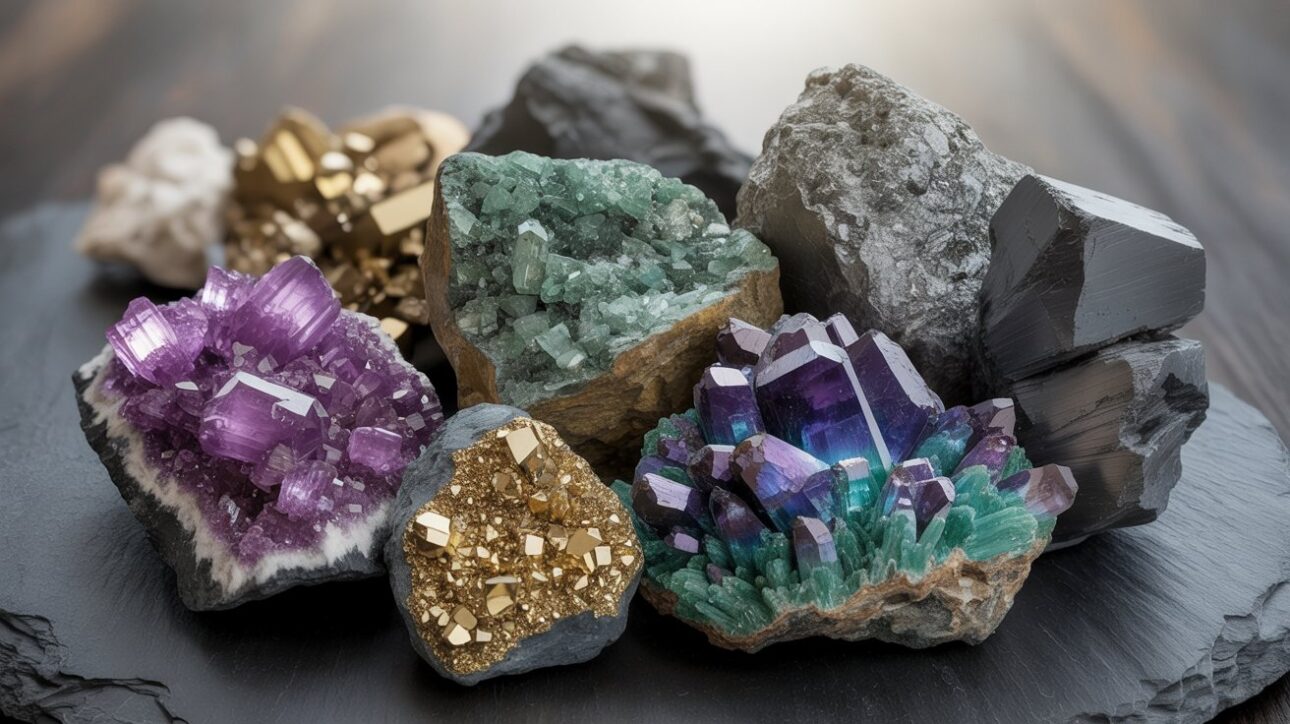
Recent data from the CEBC shows that, although Brazilian rare earth exports still represent a relatively small value, the accelerated growth reinforces China’s interest in diversifying its suppliers and securing the supply of strategic materials for its high-tech industries.
The global dependency on China for rare earths has motivated other countries to seek alternatives, which opens opportunities for Brazil to expand its participation in this highly contested market.
Importance of Rare Earths for Technology and Energy
Moreover, rare earths occupy a central position in global strategies for energy transition and digitization.
These elements are fundamental for the manufacture of electric vehicle batteries, solar panels, wind generation systems, and various electronic components present in daily life.
Control over the production chain of these inputs represents a competitive advantage, even for sectors such as defense, telecommunications, and medicine.
However, the extraction and processing of rare earths require investments in technology, infrastructure, and research, as well as stringent environmental controls.
The process of separating elements, for example, demands sophisticated methods to avoid the generation of toxic waste, making the challenge even greater for countries seeking to expand their production in a sustainable and responsible manner.
Challenges and Opportunities for Brazil
The Chinese interest in Brazilian rare earths can be explained by the search for alternative sources to the local monopoly, in light of increasing geopolitical pressures and trade restrictions.
The rise in purchases from Brazil not only reinforces the commercial partnership between the two countries but also highlights Brazil’s potential to establish itself as a strategic supplier in the international scenario.
Still, industry experts warn that national production is far from reaching the level necessary to compete with major global producers such as China, Australia, and the United States.
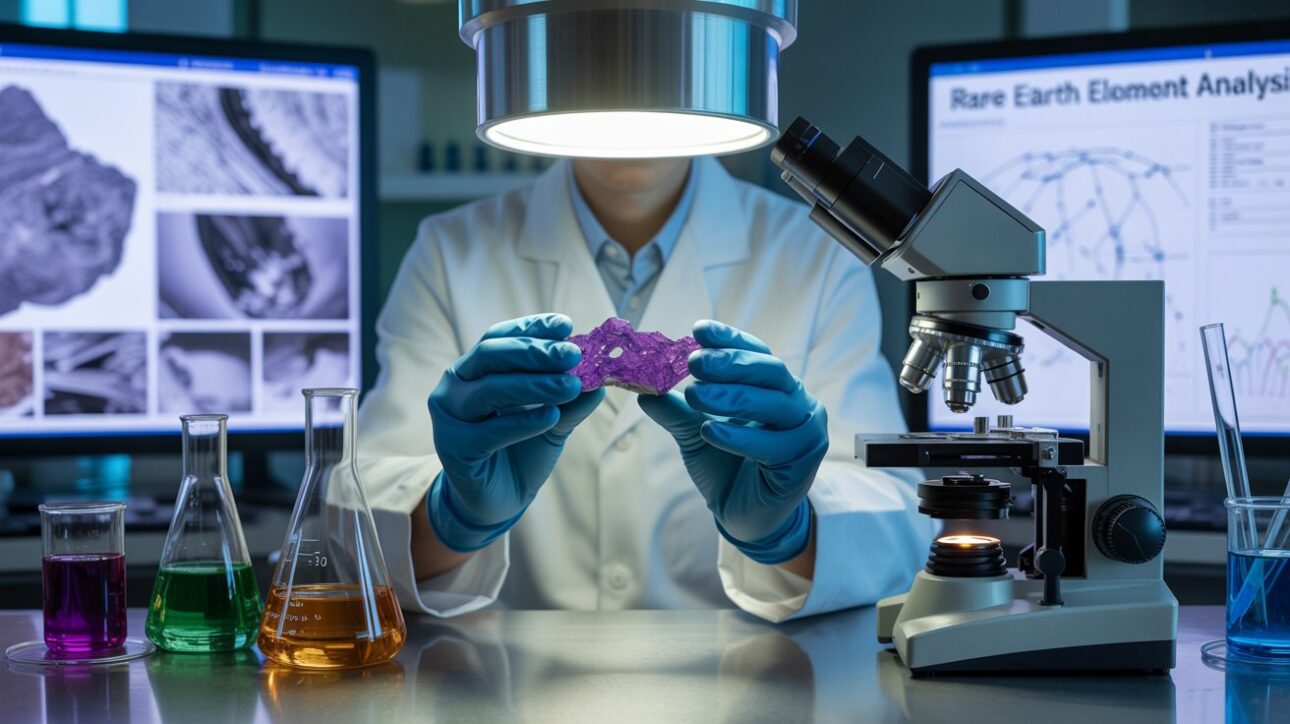
According to the USGS, the expansion of Brazilian exports depends on advances in public policies, private investments, and integration between government, companies, and research centers.
In addition, the international appreciation of rare earths stimulates the debate on the need to add value to the national production chain, preventing Brazil from acting merely as a supplier of raw materials in natura.
The development of a national transformation industry could elevate Brazil’s participation in the global market and generate skilled jobs in strategic areas.
Environmental Impacts and Sustainability
Another factor to be considered is environmental concern related to the exploration of rare earths.
Countries that lead production face criticism regarding the environmental impacts of the extraction and refinement processes for these minerals, especially concerning the intensive use of water, energy, and the generation of toxic waste.
In Brazil, strict environmental legislation and increasing pressure from civil society impose additional challenges, but may also stimulate the development of clean technologies and sustainable practices in the sector.
The Future of Brazilian Rare Earths in the Global Market
In light of this scenario, the debate is growing regarding Brazil’s role in the global supply chain of rare earths and how to transform its vast reserves into opportunities for economically, technologically, and environmentally responsible development.
Will the country be able to sustainably advance to become a global reference in this strategic segment, or will it continue as a mere exporter of natural resources?





🇧🇷🤝🇨🇳 , tô gostando da relação comercial.
O **** da pátria tá vendendo o paiz inteiro pra china
A China tem dinheiro pra comprar.
O Brasil vai acabar sendo sugado pelo poder econômico da China.
A reportagem não citou o nome o USA vamos largar essa dependência. Gostei
Vai não , estamos no lucro.