Portuguese
  Spanish



According to BRG Studies, Natural Gas Power Generation in Brazil Could Grow by 20 GW by 2040, Increasing from 9% to 15% in the Energy Matrix
Brazil is expected to be the center of new liquefied natural gas (LNG) demand activity in Latin America, at least over the next decade, according to experts who spoke at a webinar last week organized by the Institute of the Americas.
Read Also
- Solar Energy Potential Could Contribute to the Development of the Amazon
- Seadrill Group Under Investigation by Operation Car Wash Due to Petrobras Hiring Fraud for PLSV Vessel Supply
- Itaipu Hydroelectric Plant, the Largest Clean and Renewable Energy Producer on the Planet, Sets Historic Productivity Record
“Gas remains the transition fuel in Brazil because it allows for the highest possible penetration of wind and solar energy,” said Roberto Ferreira da Cunha, director of the consulting firm BRG Energy and Climate for South America. He added that Brazil has 10 new LNG import terminals at different stages of study.
According to BRG research, natural gas power generation in Brazil could grow by 20 GW by 2040, increasing from 9% to 15% in the energy matrix.
-
Qantas and Airbus Invest in Company Aiming to Convert Unsorted Household Trash into Jet Fuel

-
Brazil’s ANP Opens 86 New Oil Blocks in the Equatorial Margin, Expanding the Amazon River Mouth Frontier

-
OPEC+ Boosts Oil Supply by 188,000 Barrels per Day in July 2026, Leading to Price Drop from $112 to $89 per Barrel in Under Two Months

-
TotalEnergies Signs 20-Year Deal to Purchase 2 Million Tons of LNG from Alaska, Boosting Project Viability

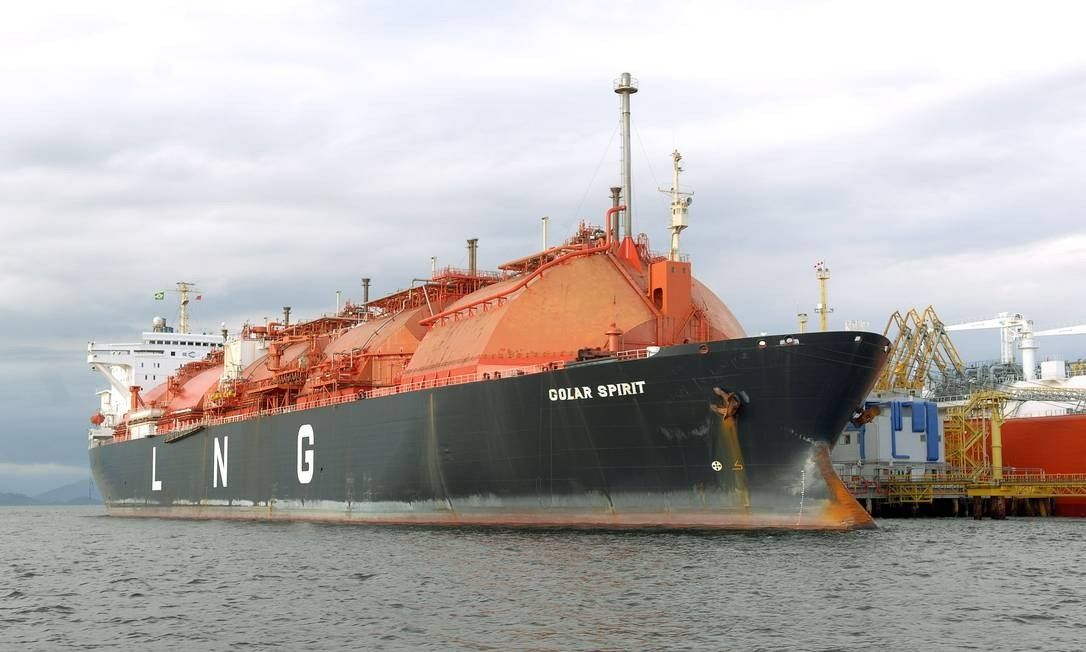
Natural gas is primarily used as a backup for hydroelectric power in Brazil, and the advantage of LNG lies in its flexibility compared to other supply options, according to Ferreira. “Sometimes LNG is just the dock,” said Ferreira, even with the floating regasification unit being rented.
Argentina and Chile, which developed four regasification terminals in the first decade of the century, will see a decreasing need for LNG imports and an optimization of existing infrastructure, in the absence of a “major reversal of global trends.” Chile has indefinitely postponed its third LNG import project set for Concepción.
Mexico is also seeing a decline in LNG imports from its two terminals in Altamira and Manzanillo, with a current focus on potential emerging export facilities on the Pacific coast using U.S. gas and targeting Asian markets.
Outside of Brazil, Colombia may also require additional LNG as a backup option during low-hydrology periods. Like Brazil, Colombia’s electricity grid is highly dependent on hydroelectric power.
Competitive Prices
Christopher Goncalves, President and CEO of BRG, said that he sees only moderate price increases at Henry Hub until 2025, leading to stable LNG prices for South America of around US$ 5-7/MMBtu.
He noted that there is “a good chance that a carbon tax will be implemented in the United States” starting in 2022, leading to an initial reduction in U.S. LNG to international markets.
However, given market conditions, prices should not be heavily impacted, which is evidence of “supply diversity, supply flexibility, and trading liquidity.”
Brazil Is Undergoing a Transformation That Opens Market Opportunities for Natural Gas and LNG Players
Earlier this month, Brazil’s Chamber of Deputies approved a regulatory framework for the natural gas sector, paving the way for an opening similar to that observed in Mexico’s gas market over the past six years.
The bill includes restrictions on market participants operating in different segments of the gas market, effectively breaking Petrobras’ monopoly. The bill also guarantees free access to pipelines, a market-based tariff scheme, and a storage policy.
“It’s a very exciting moment for Brazil,” said Ferreira, who indicated that the project required years of debate. Now it goes to the Senate and requires presidential approval, but these two steps are “less challenging.”
Brazil is also home to one of the largest offshore oil developments in the world, resulting in increasing amounts of associated gas. It also imports natural gas from Bolivia via pipeline, and there have been new discussions about a shale gas pipeline from Vaca Muerta in western Argentina to the city of Porto Alegre in southern Brazil.
Source: NGI – Natural Gas Intelligence