Portuguese
  Spanish


Renault 4 electric Plein Sud arrives in Europe with a 92 cm electric canvas roof, prices starting at €37,290 and a package of 28 driving assistants. The version recaptures a nostalgic atmosphere without taking away interior space and targets those looking to drive in the open air in a European electric compact.
The Renault 4 electric has gained the Plein Sud version, a configuration with a canvas roof that opens electrically and transforms the compact into an outdoor driving proposal. The novelty was announced by Renault on May 4, 2026, and is already available for order in European markets.
According to a statement published on the official press site of Renault, the version was created to recapture part of the spirit of the old Renault 4 Plein Air, an open model that marked the brand’s history. Now, the electric reinterpretation bets on a retractable roof, nostalgic look, illuminated cabin, prices starting at €37,290, and an expanded package of driving assistants.
Renault 4 electric gains Plein Sud version with canvas roof

The Renault 4 electric Plein Sud arrives as one of the most symbolic versions of the new E-Tech family. Instead of focusing solely on range, connectivity, or power, the brand decided to explore an emotional element: the feeling of driving with the open sky.
-
Rolls-Royce Turns Heads with 30-Inch Floating Wheels, 6.6-Liter V12 Engine, and 563 Horsepower

-
2019 Kia Sportage EX: A Spacious and Cost-Effective SUV with 2.0 Flex Engine and Panoramic Roof
-
Fiat Strada Becomes Top Seller in June, Surpassing Onix, Polo, Hilux, and T-Cross with 107 HP Engine and 732 km Range.

-
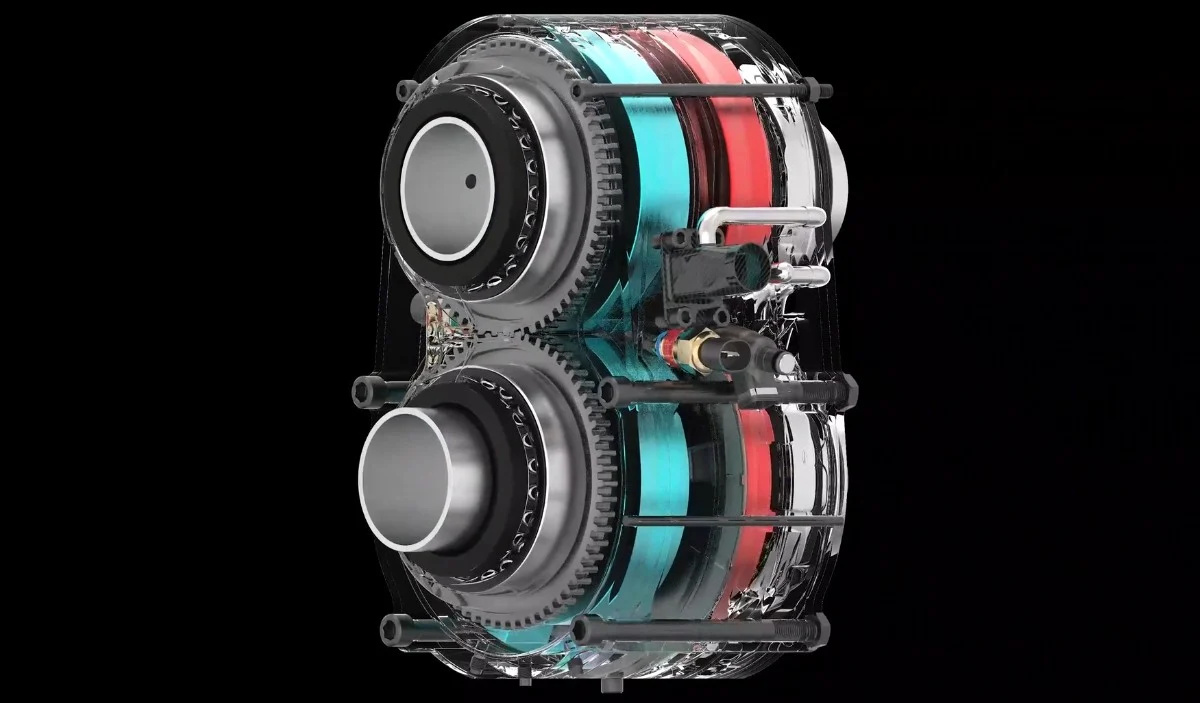
Suitcase-sized hydrogen engine spins at 25,000 rpm, nearly doubling the efficiency of conventional cars and replacing exhaust smoke with water vapor


The canvas roof is the main visual and functional differential of the version. It has electric operation, can be opened in intermediate positions, and creates an experience closer to a leisure car, without turning the model into a traditional convertible.
Renault states that the vehicle was designed from the start to receive this configuration. This is important because the canvas roof does not appear as an improvised adaptation, but as part of the development of the electric model.
According to the brand, the solution does not compromise the car’s core features, especially the interior space for occupants. The proposal is to offer a wide opening, more light in the cabin, and a sense of freedom without sacrificing daily usability.
Roof opens 92 cm and illuminates front and rear passengers

In the Renault 4 electric Plein Sud, the electric canvas roof has an opening of 92 cm in length by 80 cm in width. The measurement was designed to benefit not only those traveling in the front seats but also the passengers in the rear seat.
This point differentiates the version from a simple small sunroof. The wide opening aims to create a collective experience inside the cabin, allowing everyone to perceive the entry of light and the sensation of open-air driving.
To maximize the opening, the roof bars were removed. The antenna has also been integrated into the rear glass, freeing up the upper area and reinforcing the clean look of the Plein Sud version.
The roof can be operated by button, by key, or by voice command with the Reno avatar. The idea is to combine the nostalgic appeal of the canvas with modern convenience features, keeping the car aligned with the technological proposal of the E-Tech line.
Interior space was preserved even with the retractable roof

A concern in cars with a retractable roof is the loss of headroom. In the case of the Renault 4 electric, Renault reports that the impact is practically nonexistent, because the structure had already been designed to accommodate the canvas roof.
In the front, the reported free height is 906 mm, while in the rear it reaches 813 mm. With a conventional roof, the numbers are 886 mm in the front and 853 mm in the rear. In other words, the open version was not presented as a direct sacrifice of internal comfort.
The brand also worked on the sealing and acoustics of the set. For this, it turned to specialized partners, including Webasto and Haartz, aiming to reduce external noise and maintain good insulation when the canvas is closed.
Another detail is in the construction of the system. Structural components of the roof use plastic instead of metal, and the canvas folds in three parts when opening. The choice aims to control weight and efficiency, without turning the retractable roof into unnecessary extra weight.
Price starts at €37,290 in the Techno version

The Renault 4 electric Plein Sud is available for order with prices starting from €37,290 in the Techno configuration. The Iconic version starts at €39,290, depending on the country and before government incentives.
The proposal positions the model as an electric vehicle with emotional appeal within the Renault range. It does not aim to be just an efficient urban car, but a product with a strong visual identity and a direct connection to the memory of the original Renault 4.
Initially, the version appears in Starry Black, with solid and two-tone options. Other solid colors are expected to be made available in later stages, according to the schedule provided by the brand.
The name Plein Sud also reinforces this imagery. The expression refers to clear skies, sun, and travel to the south, creating a visual narrative associated with leisure, holidays, and lighter driving.
Safety package reaches 28 driving assistants

In addition to the canvas roof, the Renault 4 electric now receives new driver assistance features. The line reaches a total of 28 driving assistants, highlighting the advanced driver monitoring system.
This system uses an internal camera installed on the left pillar of the windshield to detect signs of fatigue or distraction. The driver’s attention becomes part of the Safety Score displayed after each trip.
Another new feature is the emergency stop assistant. In conjunction with the active driving assistant, it can bring the vehicle to a stop, when possible, if the driver remains inactive and without hands on the steering wheel.
The efficient driving assistant has also been updated. Now, it uses onboard maps to anticipate curves, roundabouts, and other road sections, suggesting that the driver ease off the accelerator to save energy and increase safety.
Charging improves in intense cold with new thermal system

The Renault 4 electric also received a technical change aimed at charging in low temperatures. The brand included a new water-to-water heat exchanger in the battery heating circuit.
The improvement acts especially when the car is in cold or extremely cold conditions, with the support of the electric route planner. The intention is to reduce the time needed to bring the battery from 15% to 80% in low-temperature scenarios.
Around 0°C, charging goes from one hour to 50 minutes when the car has been driven for less than 10 minutes. In a situation of -20°C, the time drops from 1h45 to 1h10 under the same conditions.
When the vehicle has already been driven for more than an hour, the times are even shorter: 40 minutes in cold near 0°C and 55 minutes in extreme cold. These numbers reinforce Renault’s concern with the real use of the car in different European climates.
Version bets on nostalgia without giving up technology

The Renault 4 electric Plein Sud tries to balance two paths: recalling a classic while delivering current features. The canvas roof resonates with the memory of the Renault 4 Plein Air, while the driving assistants and the electric system reinforce modernization.
This combination is the centerpiece of the model’s strategy. Instead of making a retro car just in design, Renault seeks to transform nostalgia into practical experience, especially for those who value natural light, a sense of freedom, and everyday use.
The challenge will be convincing consumers that the canvas roof is worth the additional cost compared to more conventional versions. For some of the audience, the emotional differential can weigh as much as technical data on range, charging, or connectivity.
Even so, the Plein Sud version shows how brands are trying to give personality to electric vehicles. In an increasingly competitive market, design, emotional memory, and user experience can be as important as performance.
With a 92 cm canvas roof, starting price of €37,290, 28 driving assistants, and improvements in charging at low temperatures, the version shows that Renault wants to combine nostalgia and technology. Do you think electric cars with a retro appeal and open roof have a chance to gain ground in Brazil, or does this type of proposal still seem distant from the reality of the Brazilian consumer?