






 Portuguese
  Spanish


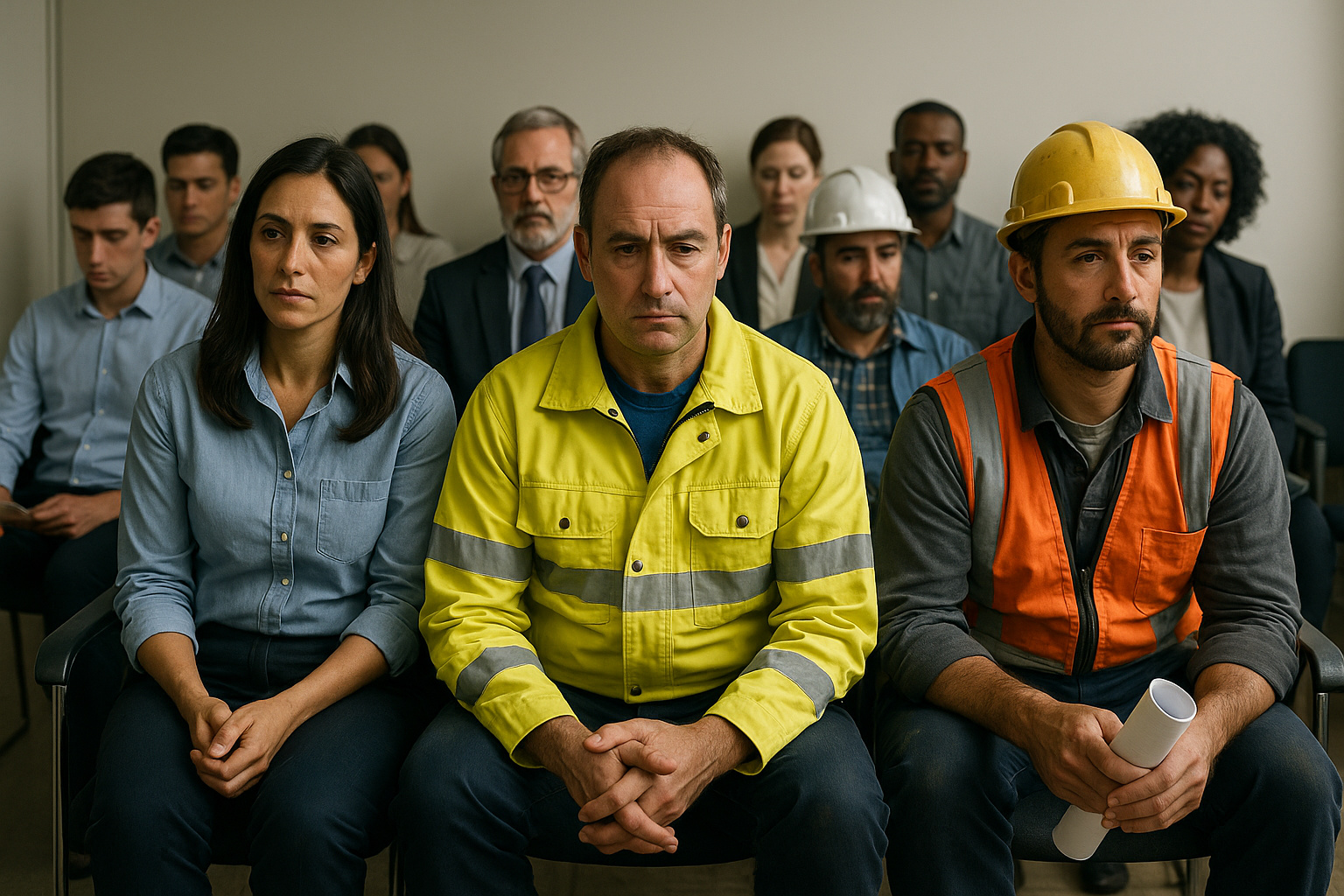

A Direct Overview Of The Rise Of Informality And The Growing Strength Of Stability In The Brazilian Labor Market
The national survey conducted by CUT in partnership with Vox Populi and Dieese clearly exposes how the perception of autonomy has rapidly changed and has begun to reveal deep contradictions between the discourse of entrepreneurship and the reality faced by Brazilian workers.
Growth Of Informality And Reversal In The Interest In Autonomy
Although the narrative of autonomy has grown in recent years, 56% of self-employed workers who have had signed work cards wish to return to the CLT model. Furthermore, despite 53.4% stating that most Brazilians prefer to become entrepreneurs, the study shows that the search for stability still dominates the decision of workers, especially in light of the difficulties associated with informal work.
Additionally, Sérgio Nobre, president of CUT, highlights that automakers offer very low salaries while demanding experience and qualifications. He also compares these figures to the earnings of bi-articulated bus drivers, who face similar challenges. Therefore, many people end up migrating from formal registration to activities in apps.
-
China Tightens Control on Antimony, Driving Prices from $22,000 to Nearly $40,000 per Ton as U.S. Rushes to Bolster Strategic Reserves

-
BlackRock Freezes $1 Billion in Brazilian Renewable Energy, Impacting 1.5 GW of Planned Projects and Highlighting Investor Concerns Over Infrastructure Bottlenecks Cutting Up to 25% of Solar and Wind Generation
-
Labor Shortage: Despite Record Average Salary, 90% of Brazilian Bar and Restaurant Owners Struggle to Hire Key Roles Like Sushi Chefs and Head Cooks

-
Supermarket Deli Counter Attendants in Brazil Could Earn Over $2,100 Monthly by 2026, Plus Benefits Package


Precarization, Low Income, And The Rise Of “Necessity Entrepreneurship”
As informality reaches 37.8% of employed workers, the phenomenon is seen as a direct consequence of precarization. In this context, Adriana Marcolino, technical director of Dieese, explains that many believe they cannot pay their bills as salaried employees, which reinforces the search for autonomous alternatives.
Moreover, Nelson Marconi, a researcher at FGV, states that “pejotização” has expanded among workers with lower education levels. Although it seems more advantageous, the hourly pay tends to be lower, even when the total received increases. Thus, the phenomenon has come to be identified by unionists as “necessity entrepreneurship”, driven by social networks and discussed in courts and academic environments.
For this reason, CUT is discussing the issue with the federal government and with ministers of the Supreme Federal Court, reinforcing the need for structural revisions.
Professional Preferences And The Weight Of Stability
While many defend the supposed freedom of autonomy, 17.8% of respondents prefer a formal job with a signed work card, and 17.6% wish to continue working as self-employed individuals. Furthermore, public service exams still attract 7.6% of the participants, who highlight stability as the main advantage.
Limits Of Autonomy, Previdential Risks, And Structural Challenges
Although flexibility is valued — 35% mention flexible hours, 25% want to be “their own boss,” and 18% seek enjoyment in what they do —, experts warn of significant risks associated with the rise of self-employment among the less educated. This is because the CLT continues to provide essential social protection.
Additionally, Marconi emphasizes that it is necessary to discuss limits for MEI classification, preventing improper substitutions of formal hires for cheaper models. He also highlights that the large number of self-employed individuals without social security contributions may jeopardize the future of millions, as many will be unable to retire, threatening the system’s sustainability.
What do you believe is more urgent for the country: strengthening the protection of formal work to curb precarization or redesigning the autonomous model to ensure more security for workers?


