Portuguese
  Spanish


Audit by TCE-PR identified signs of million-dollar irregularities in amendments of the Guaratuba Bridge, already open to traffic on the coast of Paraná, while the contract remains valid until October 2026 and still depends on final analysis by the Tribunal Plenary.
Inaugurated on May 1st on the coast of Paraná, the Guaratuba Bridge came under the scrutiny of the State Court of Accounts of Paraná after an audit pointed out signs of irregularities totaling R$ 14.8 million in possible overpricing.
Although it was prepared in January, the report analyzes a contract that remains in effect until October 17, 2026, a period that still allows for value revisions during the contractual execution and potential compensation in future measurements.
The structure replaced the old ferry boat crossing between Guaratuba and Matinhos and, according to the official website of the project, reduced the journey from 20 to 30 minutes on normal days to about two minutes.
-
Man Builds Stone Bed with Granite Rocks and Hand-Sawn Cedar Beams, Home Extension Garners Over 437,000 Views on Bonus Bolts Channel

-
Brazilian Researcher Develops Color-Changing Roof Tile to Reduce Air Conditioning Use by Up to 15%

-
21-Year-Old Moves Back to Parents’ Home in Arizona, Finds New Private Apartment in Converted Garage as Families Tackle U.S. Housing Pressures

-
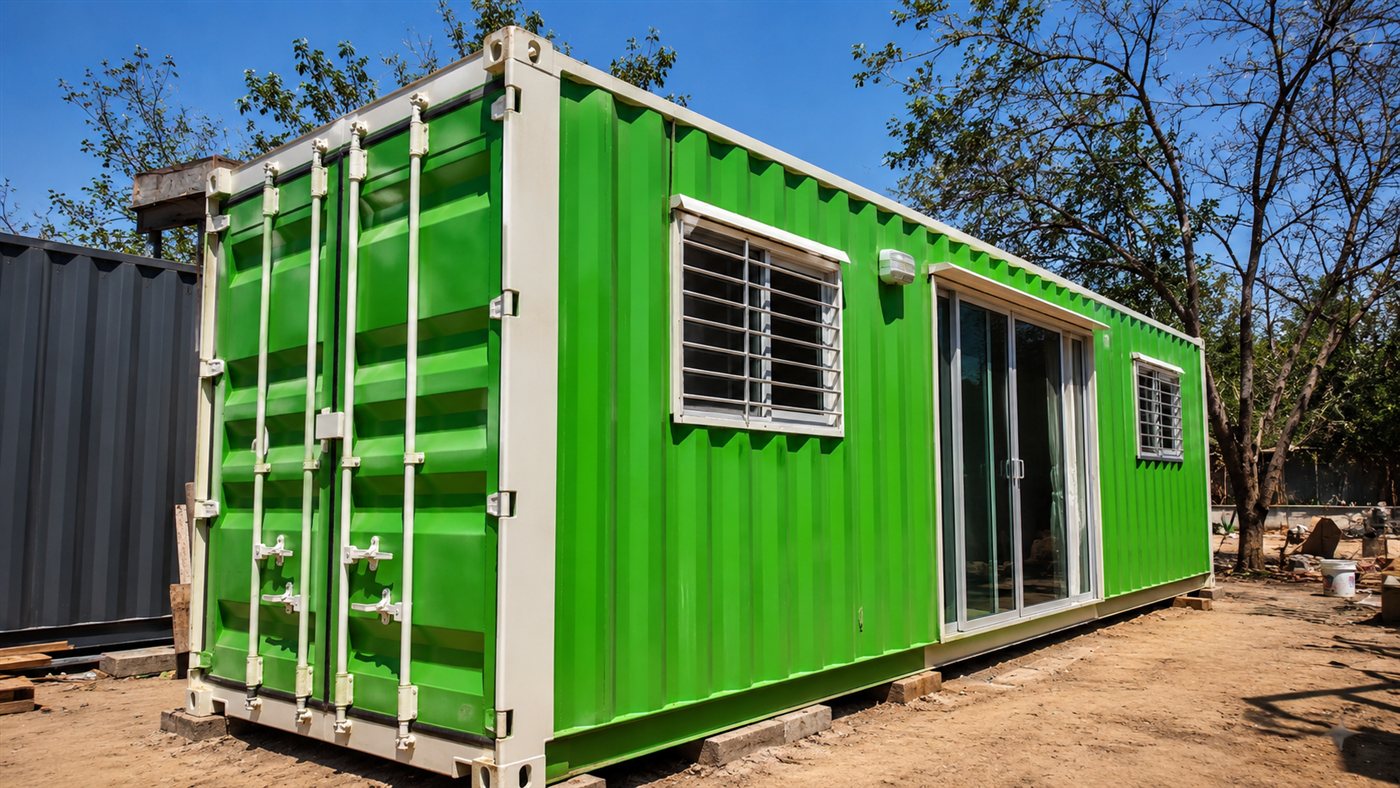
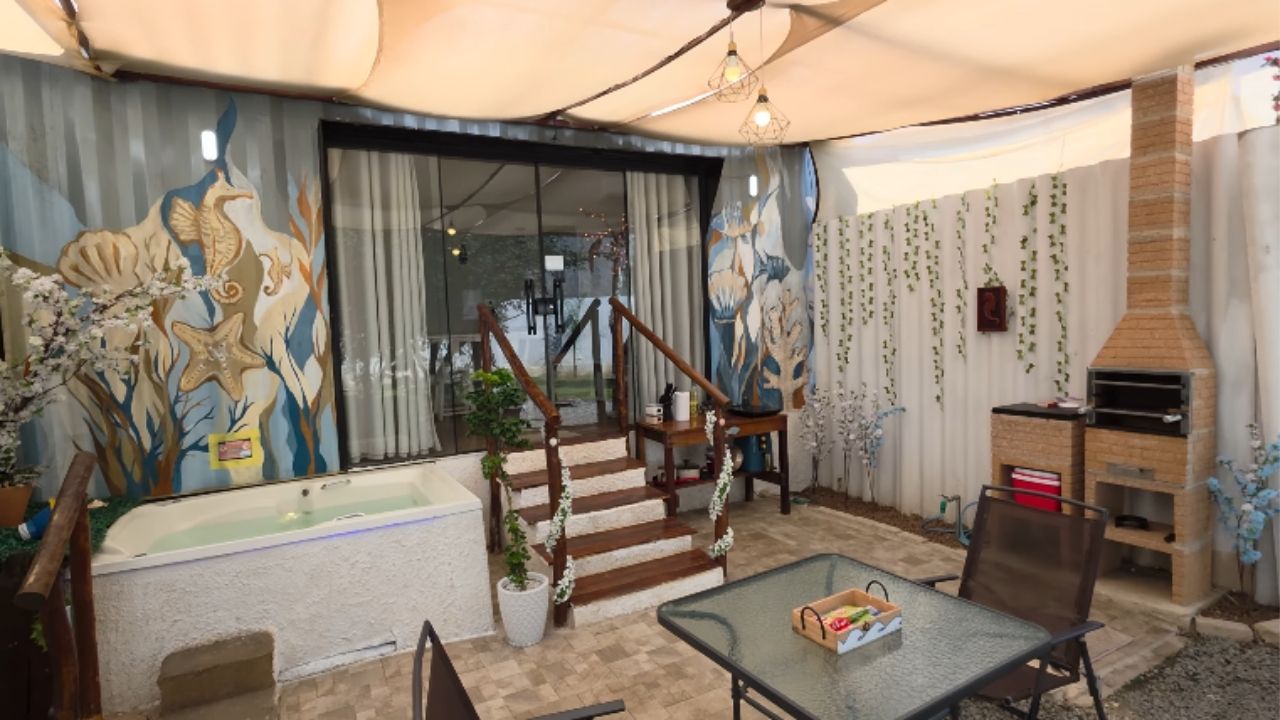
Innovative Container Studio in Brazilian Beach Town Thrives with High Demand and Plans for Expansion



Treated by the Government of Paraná as an investment of approximately R$ 400 million, the project is 1,244 meters long, integrates the PR-412, and crosses the Guaratuba Bay, one of the main connections of the Paraná coast.
Audit points to additional charges and failures in amendments
In the contract amendments, the inspection focused most of the questions, especially on services that, in the technical evaluation of TCE-PR, should not have been charged as additional by the company responsible for the project.
Besides this point, the audit team identified errors in price composition and discrepancies between the quantities foreseen in the contractual spreadsheet and the items that would have been effectively used during execution.
According to the investigation published by Tribuna do Paraná, the R$ 14.8 million corresponds to the sum of different inconsistencies found in the Guaratuba Bridge contract.
As the contractual link remains in force, the inspection recorded that the failures could still be remedied within the stipulated time, including through financial adjustments in future measurements of the project.
Among the items with the greatest financial impact is the so-called nautical support, which includes boats, sailors, fuel, and other structures used in the transportation of workers, inspectors, and materials over the water.
For the auditors, this type of expense is part of the very nature of a bridge built over the bay and, therefore, should have been anticipated from the original proposal presented by the contractor.
Initially estimated at R$ 1.55 million, the service generated, according to the audit, a loss of R$ 3.57 million in the measurements already carried out and a potential damage of R$ 4.46 million if the same conditions are maintained.
In this case, the questioning by TCE-PR is not limited to the price charged but extends to the very inclusion of nautical support as an additional item in a project that necessarily required operation over water.
Drones and cable pullers come under the scrutiny of TCE-PR
The auditors also noted the cost composition related to equipment used in interventions on high-voltage power lines that cross the Guaratuba Bridge area.
In the spreadsheet approved by DER-PR, there were five drones and 10 sets of cable pullers, known as pullers, while the inspection pointed out the effective use of only one drone and one set of pullers.
The difference between the planned quantity and the material actually used would have caused, according to the audit, an estimated loss of R$ 1.59 million within the set of inconsistencies analyzed.
Even after the justifications presented by DER-PR, TCE-PR reported that the arguments did not dismiss the pointed irregularity and maintained the findings with unsolved status.
In response, the Paraná Department of Highways rejected the use of the term “overpricing” and stated that any overpricing should be evaluated by the overall contract value, not by isolated items.
The agency also argued that all payments were technically based and that interpretation divergences can occur in highly complex projects, especially in contracts with integrated engineering and execution stages.
Process has not yet had a final judgment in the Court of Accounts
According to a statement sent to the Tribuna do Paraná report, TCE-PR informed that the process was in the phase of analyzing the justifications presented by DER-PR after a technical opinion from the Public Works and Engineering Coordination.
Once this stage is completed, the case should proceed to the Tribunal’s Plenary, where the counselors will discuss the process, make the judgment, and may define any determinations to be fulfilled by those responsible.
So far, DER-PR states that the procedure is occurring in the internal phase at the Court of Accounts and that there has been no judgment by the counselors responsible for the final analysis.
The agency also declared that there is no precautionary measure in effect and reinforced that it continues to provide clarifications to the control body during the investigation of the inconsistencies pointed out by the audit.
Regarding the difference between the forecast of five drones and 10 pullers and the use of only one piece of equipment of each type, DER-PR stated that the prices were composed based on market quotations.
According to the department, the quotations involved specialized companies accredited by Copel, while the supervision of the services was the responsibility of its own technical team and specialized oversight.
In the case of nautical support, DER-PR claimed that the need for an additional vessel was not included in the original proposal of the consortium contracted to execute the Guaratuba Bridge.
According to the department’s justification, previously unidentified interferences would be the responsibility of the department itself, an argument that did not change the technical understanding maintained by the TCE-PR audit team.
Nova Ponte Consortium says it will follow the process manifestation
Responsible for executing the work, the Nova Ponte Consortium informed the report that it acts according to the contract and will present its statements within the administrative process itself.
The company was contracted to design the projects and execute the bridge after winning, in 2022, the tender conducted by the Paraná Department of Roads.
Presented by the state government as one of the main infrastructure works on the coast of Paraná, the Guaratuba Bridge replaced the ferry boat in the connection between municipalities in the region.
In addition to reducing the dependency on crossing by vessel, the structure was planned to provide more predictability for the movement of residents, tourists, and services circulating between Guaratuba and Matinhos.
At this moment, the controversy does not involve the operation of the bridge open to traffic, but the financial execution of the contract and the responsibility for increased costs during the work.
Until there is a judgment, the values pointed out by the audit remain as technical indications under analysis in the Court of Accounts, without a final decision from the Plenary on the regularity of the acts.
With the bridge already in operation and the contract still valid until October 2026, the discussion shifts to how the pointed-out flaws can be corrected before the contractual termination.
In a project of this magnitude, should control over each addendum be treated as a technical detail or as a decisive point to protect public money?