






 Portuguese
  Spanish


In a Surprising Turn, Bravo Motor Abandons Minas Gerais and Invests R$ 25 Billion in Bahia to Build a Factory for Electric Car Batteries. The Change, Filled with Political and Economic Tensions, Promises to Shake Up the Automotive Sector in Brazil. Will Bahia Be the New Hub for Electric Vehicles in the Country?
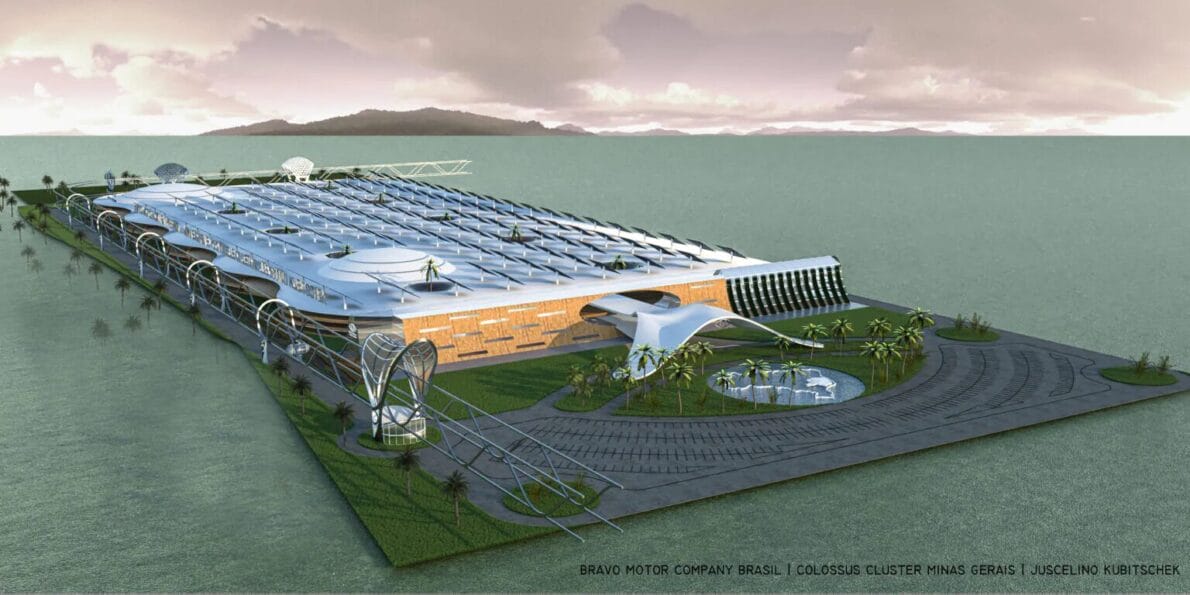
Minas Gerais loses a golden opportunity? A true behind-the-scenes battle and frustrating negotiations culminated in the exit of Bravo Motor Company from the state.
The grand R$ 25 billion project to build a lithium battery factory in Nova Lima has officially been transferred to São Sebastião do Passé, Bahia.
This change marks a dramatic turn in the history of the negotiations, raising questions about the future of the electric automotive sector in Brazil and the economic and political impacts of this decision.
-
Uber Black Revamps Fleet, Drops Ten Car Models and Sets Deadline for Electric BYD Dolphin

-
Belo Horizonte Becomes First Brazilian City to Fund Housing, Utilities for 100 Homeless Families with $900,000 Initiative

-
Chinese Giant Uses Metal Structures and Cranes to Deliver Over 700 Electric Cars to Brazil

-
Brazilian Joins Homeownership Consortium, Faces Decade of Dual Payments Totaling $141,000, Surpassing Traditional Mortgage


According to O Fator newspaper, the withdrawal from Minas Gerais happened after a series of misunderstandings between the company and the state government, as well as the Nova Lima City Hall.
Bravo Motor Company, responsible for the project, and local authorities were unable to reach a satisfactory agreement, resulting in the project’s migration to the state of Bahia.
The letter of intent signed in March 2021, which envisaged an investment of R$ 25 billion over ten years, was dissolved due to a lack of financial guarantees and the high risk involved in the undertaking.
The disagreements began when Bravo requested public funding to make the project viable. As reported by Fator, both the Tiradentes Palace and the Nova Lima City Hall were resistant to releasing funds, mainly due to the absence of private investors and the lack of guarantees presented by the company to ensure financial returns.
The City Hall even offered a plot of land for the construction of the plant but required Bravo to prove the financial viability of the project before any advancement.
According to Eduardo Javier Muñoz, CEO of Bravo Motor in Brazil, the state of Minas Gerais did not provide the necessary support for the project’s execution, despite agreements with renowned companies in the automation sector like Rockwell Automation, SMC, and ABB.
“These companies believed in the potential of our proposal, entering into agreements with us and announcing these partnerships on their websites in multiple languages,” Muñoz told the newspaper.
In contrast, the state government, represented by João Paulo Braga, president of InvestMinas, stated that the state provided all possible support but that the company failed to meet the necessary requirements for the project’s advancement, such as securing a line of credit from the Development Bank of Minas Gerais (BDMG).
Braga confirmed that, in the government’s view, Bravo did not present a solid financial plan, which made the continuation of negotiations impossible.
According to the newspaper, an anonymous source from the Nova Lima City Hall revealed that Bravo Motor made requests that were not included in the initial letter of intent, including a financing of R$ 30 million for research and development to be deposited in a state bank.
With the transfer to Bahia, Bravo Motor hopes to find a more favorable environment for its venture. According to Muñoz, the state of Bahia offers clear incentives and suitable infrastructure for developing an electric vehicle hub, already hosting other companies like BYD. The strategic location near ports was also a decisive factor for the change.
The future of Bravo Motor in Brazil now depends on the success of the new endeavor in Bahia. The change is seen by the company as a “see you later” to Minas Gerais, not a definitive goodbye, as Muñoz stated. “We hope there will be a new opportunity to consider Minas Gerais in the future,” he said.





Os **** reacionários, ditos conservadores, estão batendo cabeça. Sem direção. O negócio é falar mal do PT
e da para bem?
Correta a decisão dos mineiros. Estes mamadores encontraram outros para enganarem e o futuro mostrará quem está com a razão.
Lembra da Asia Motors, liderada por Sergio Habib’s, deu um golpe em ACM, depois deu outro golpe em Wagner a promessa de instalar a JAC Motors.
Agora vem essa com os carros elétricos e a Bravo.
Povo baiano vamos orar para não ser roubado novamente.