Portuguese
  Spanish


Brazilian industry advanced only 1.4% in 2025, while agriculture grew 11.7% and reached a record in GDP, exposing dependence on commodities, low export complexity, Brazil Cost estimated at R$ 1.7 trillion, and historical difficulty in transforming soy, ore, and crude oil into technology, advanced manufacturing, and higher income for the Brazilian population.
The Brazilian industry returned to the center of the economic debate on May 15, 2026, after 2025 indicators showed a strong contrast: while agriculture grew 11.7%, the manufacturing industry advanced only 1.4%, revealing the country’s difficulty in adding added value to the commodities it produces.
According to the website Gazeta do Povo, Brazil exports soy, corn, iron ore, and crude oil on a large scale, but still faces obstacles to transforming this natural wealth into sophisticated products, technology, machinery, industrial goods, and more qualified jobs. The Brazil Cost, tax burden, and low innovation help explain why this productive turnaround has not yet occurred.
Brazil grows with agriculture, but industry advances little
In 2025, the Brazilian economy grew 2.3%, reaching R$ 12.7 trillion, according to IBGE data cited in the source. The advance, however, was mainly driven by agriculture, which had the greatest direct weight in GDP since the beginning of the historical series in 1996.
-
Brazilian Farmers with Basic Education Create Backyard Machines That Win National Invention Contest, Beating 242 Projects

-
Brazilian Farm Innovates with Cage-Free Chickens, Producing 3,300 Odorless Eggs Daily

-
From Selling Unsold Saplings to Creating Brazil’s Most Awarded Olive Oil Brand with 330 Accolades and a $12 Million Goal by 2026
-
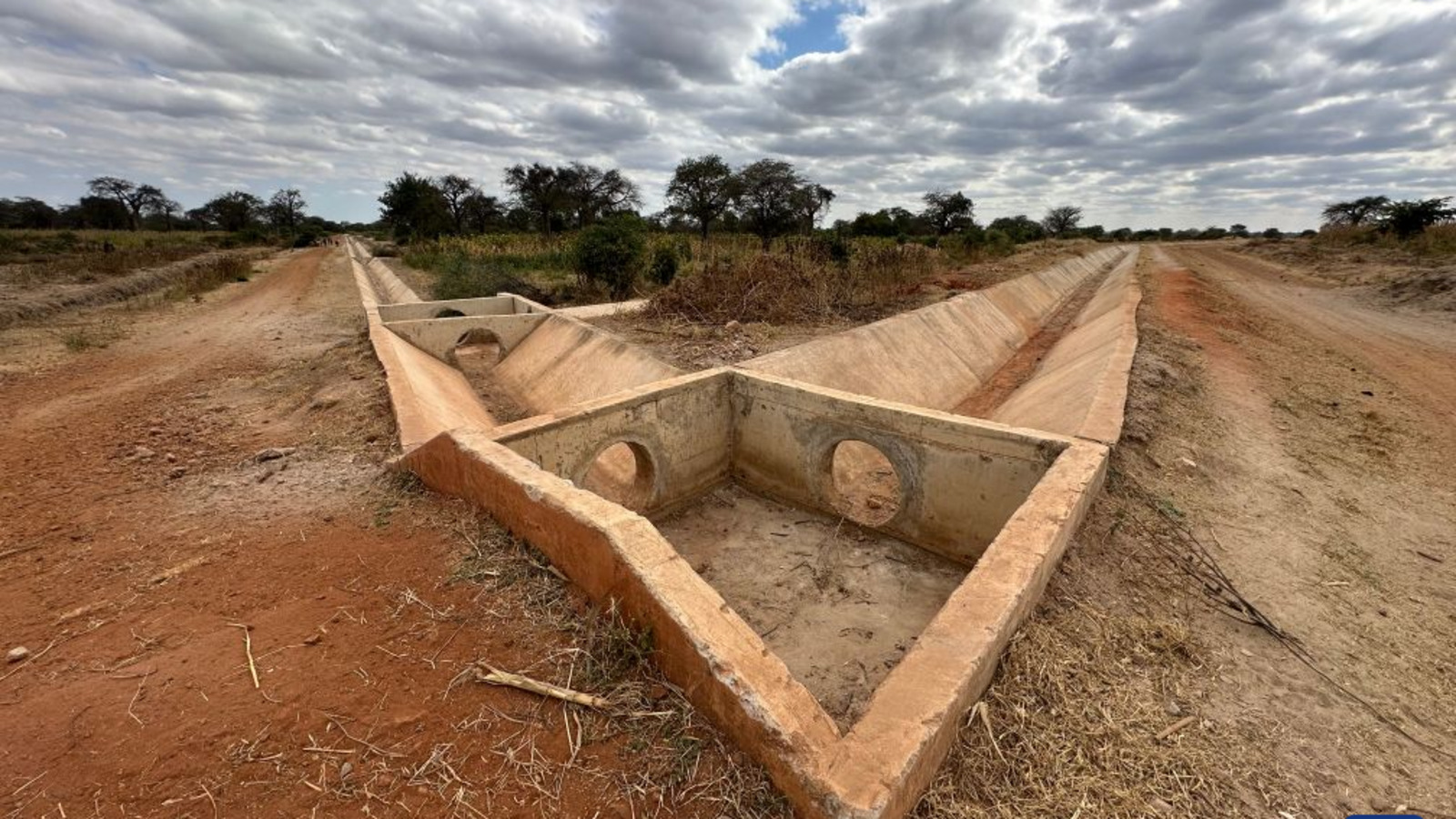
China Builds 400-Hectare Irrigation System in Tanzania to Aid 1,000 Families Dependent on Rainfall


The participation of the agricultural sector reached 7.5% of all wealth generated in the country. Without the contribution of the field, the overall economic growth would have been only 1.5%, which shows the weight of the primary sector in national performance.
The Brazilian industry, on the other hand, did not keep up with this pace. The increase of 1.4% in the manufacturing industry reinforces the perception that the country can produce and export commodities on a large scale but still has difficulty advancing in sophisticated manufacturing.
This imbalance creates an economy dependent on minimally processed products. Brazil sells a lot abroad, but a significant part of the technological, industrial, and commercial value remains concentrated in other countries.
Soy, ore, and crude oil dominate exports
The Brazilian trade balance reached US$ 348.7 billion in exports in 2025. Despite the record volume, the agenda remained very concentrated in iron ore, grains, and crude oil.
This pattern shows that the country still relies on low-transformation goods. Wealth leaves the national territory as raw material, while the more sophisticated stages of the production chain tend to remain outside Brazil.
China appears as Brazil’s main trading partner, with more than US$ 100 billion in purchases. However, much of this relationship is based on unprocessed inputs, reinforcing Brazil’s position as a supplier of commodities.
The problem is not exporting soybeans, ore, or oil. The critical point is almost always relying on these sales without developing, in the same proportion, technology, machinery, chemicals, equipment, processed foods, and higher value-added industrial products.
Low sophistication limits income and competitiveness
The Economic Complexity Atlas, developed by researchers at Harvard University, indicates that recent Brazilian commercial expansion came from low and medium sophistication products. This diagnosis helps explain why the Brazilian industry lags behind more innovative economies.
According to the survey cited in the source, since 2009 Brazil has added only five products to the list of relevant exports. This pace is considered low for a country that needs to increase productivity and income in the long term.
The difficulty lies in transferring capital, labor, and knowledge to sectors such as electronics, advanced machinery, and industrial biotechnology. Without this change, the country remains stuck in a less complex productive structure.
This trap reduces the ability to compete on two fronts. Brazil does not have low enough costs to compete with economies with very cheap labor, nor does it innovate enough to compete with countries with advanced technology.
Brazil Cost drains money that could modernize factories
The modernization of the Brazilian industry also encounters the so-called Brazil Cost. Logistical bottlenecks, legal insecurity, bureaucracy, and regulatory complexity make production more expensive and less predictable.
For the Brazilian industry, the Brazil Cost reduces the ability to transform commodities into higher value-added products. Even with a strong agriculture sector, the country loses competitiveness when logistics, taxes, bureaucracy, and interest rates hinder the modernization of factories.
According to an estimate by CNI cited in the source, these obstacles drain about R$ 1.7 trillion per year from the productive sector’s investment capacity. This money could finance research, development, automation, and the purchase of modern machines.
Logistics is one of the heaviest parts of this equation. The reliance on road transport increases the cost of moving goods, while railways and waterways are not yet utilized at the necessary level to reduce industrial costs.
In practice, a Brazilian company can be competitive in the factory and lose competitiveness before the product reaches its destination. Expensive roads, limited infrastructure, and bureaucracy reduce the margin for those trying to add value.
Tax burden weighs more on the industry
Another important obstacle is taxation. According to the CNI, the industry represents 23.4% of GDP, but collects 35.2% of federal taxes, not counting social security revenues.
This mismatch pressures margins, reduces reinvestment capacity, and makes it difficult to compete with imported products. When transforming raw material into a final product becomes too expensive, the economy tends to export the input and import the finished good.
The source also points out that high interest rates make long-term financing for factory expansion and the purchase of high-tech equipment difficult. This keeps part of the industrial park stuck with outdated technologies.
The final effect is a less productive, less modern, and more vulnerable Brazilian industry. While other countries advance in automation and innovation, national companies face structural costs that reduce their room for maneuver.
New Industry Brazil tries to address the problem
In 2024, the federal government launched the New Industry Brazil plan, promising around R$ 300 billion in financing and subsidies by 2026. The proposal seeks to strengthen agro-industrial chains, stimulate circular economy, and support a neo-industrialization with environmental requirements.
The plan also bets on the use of the purchasing power of state-owned companies and SUS tenders to create demand for national production. The idea is to direct investments to sectors capable of expanding the country’s productive capacity.
Even so, analysts cited in the source view the program with caution. The criticisms point to the risk of repeating past experiences, where large volumes of public resources were not accompanied by sufficient structural reforms.
The challenge is to ensure that the money generates real innovation, and not just temporary protection. For industrial policy to work, it needs to increase productivity, create technology, and correct failures that prevent Brazilian companies from competing.
Brazil needs to add value to what it already produces well
The country has a clear advantage: it produces food, minerals, and energy on a global scale. The problem is that this natural strength has not yet converted, to the same extent, into complex industrial chains.
The Brazilian industry could capture more value if it transformed a larger portion of commodities into processed foods, fertilizers, chemicals, advanced biofuels, agricultural machinery, industrial components, and technologies related to agriculture itself.
This path does not mean abandoning agribusiness. On the contrary: it means using the strength of the field as a base to build a more sophisticated, integrated economy that is less dependent on international price cycles.
Brazil already has volume, territory, production, and market. What is lacking is transforming these advantages into innovation, productivity, and final products capable of competing more strongly in the world.
Brazilian industry defines the next economic leap
The performance of 2025 showed a strong country in commodities, but still limited in industrial transformation. Agriculture drove growth, while the manufacturing industry advanced little and remained pressured by cost, tax burden, interest rates, and low innovation.
The central question is not whether Brazil should export soy, ore, and crude oil. The issue is why the country still cannot transform a larger portion of this wealth into sophisticated products, national technology, and more qualified jobs.
In the end, the Brazilian industry remains one of the keys for the country to move away from commodity dependence and compete in higher value-added markets.
Do you think Brazil should invest more in industrialization and technology or continue betting mainly on the strength of agriculture and natural resources? Share your opinion.