






 Portuguese
  Spanish
  6 min of reading
  0 comments


Chilean battery project by EDP expands the debate on energy storage in Brazil, amid the advance of mandatory cuts in solar and wind generation and the search for solutions to reduce billion-dollar losses in the electricity sector.
Santiago, Chile — The commissioning of a battery system by EDP at the Punta de Talca Wind Farm, in the municipality of Ovalle, Chile, has become part of the discussions on energy storage in Brazil, in a scenario of increased pressure on renewable generation.
The project received US$ 44 million in investments and has 240 MWh of installed capacity, according to the company, which presents the venture as its first battery storage system in operation in South America.
The Chilean venture has started to be monitored by companies and agents of the Brazilian electricity sector because it addresses a problem that has also advanced in the country: the mandatory cut of solar and wind generation when the grid cannot absorb all the available energy.
-
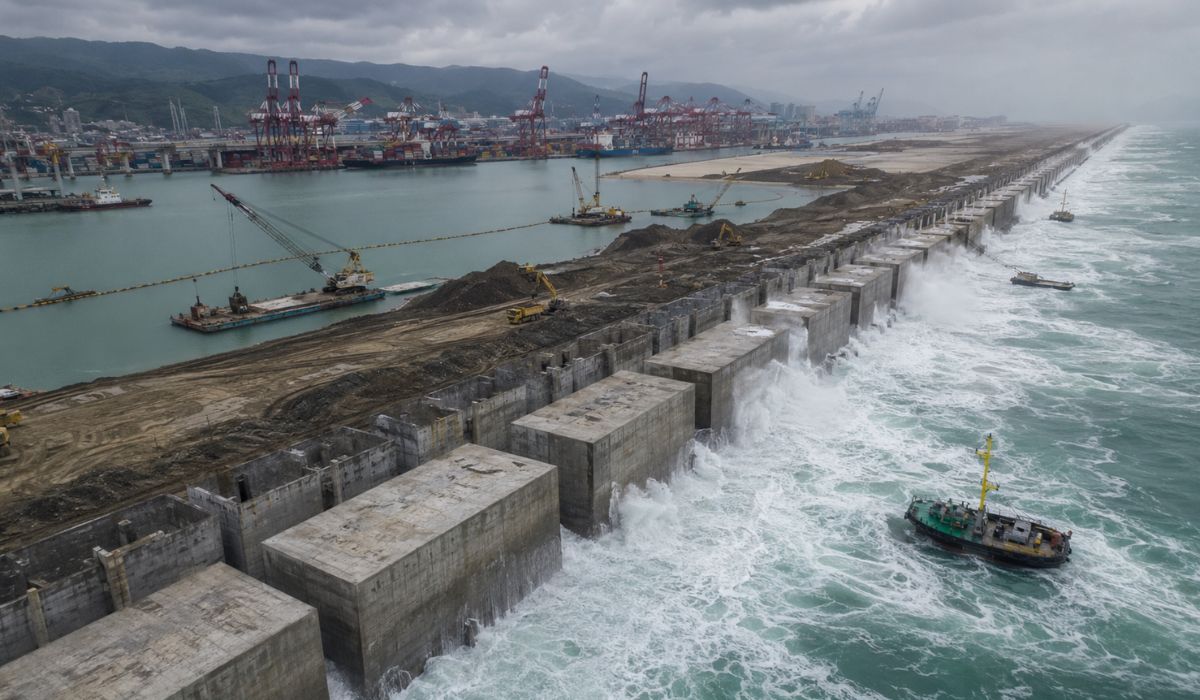
Brazil will dredge the bottom of the Port of Santos in a R$ 617.9 million project to deepen the channel to 16 meters, accommodate larger ships, and reduce dependence on tides at the largest port in the Southern Hemisphere.

-
Peter Andrews was reported by his neighbors, lost the farm to the bank, and saw his marriage fall apart, but the method that the government rejected for 30 years was recognized by the UN as one of the five agricultural models.

-
A billionaire could buy a huge yacht, but chose a 17,000-acre farm in Australia for $10 million to transform former pastures into a nature reserve, save a historic forest, and provide shelter for endangered species.

-
While ships burn diesel even when docked, a floating platform with hydrogen promises to bring clean energy to the port without waiting years for construction.


Known as curtailment, this phenomenon occurs when plants need to reduce production due to lack of demand, transmission restrictions, or operational limitations, even at times when there is sun, wind, and equipment available to generate electricity.
Volt Robotics reported, in an annual balance sheet released on January 26, 2026, that Brazil discarded about 20% of the solar and wind generation that could have been produced in 2025.
The survey estimates economic losses of R$ 6.5 billion and points to cuts of 4,021 average MW throughout the year, in a scenario associated with operational restrictions and transmission network limitations.
Batteries enter the center of the discussion on renewable energy
Integrated into the Punta de Talca Wind Farm, the EDP battery system operates in a renewable generation unit with 83 MW of capacity, in operation since 2024 in the northern region of Chile.
The operation was structured to store energy during periods of lower demand and return this electricity to the system during peak consumption times or when operational support is needed.
According to EDP’s assessment, the technology adds a layer of flexibility to electrical systems with a strong presence of intermittent sources, such as solar and wind, which depend on weather conditions to produce energy.
When renewable production exceeds consumption or transmission capacity, the batteries can store part of this surplus and deliver energy later, reducing the need for cuts at certain times.
“The start of operations of our first battery project in South America represents a strategic milestone for EDP,” stated João Brito Martins, CEO of the company in South America.
According to the executive, storage gains relevance by combining quick power response, operational safety, and better utilization of clean energy, especially in systems with a growing share of renewables.
The company states that the Chilean complex has an average annual storage capacity of 60 GWh and the potential to supply more than 30,000 homes in the region where it is installed.
In addition to increasing the operational efficiency of the wind farm, the system was designed to reduce generation cuts and contribute to the safety of the Chilean electrical system, according to information released by EDP.
Why the Chilean case interests Brazil
In Brazil, renewable generation cuts have become more frequent amid the expansion of solar and wind energy, especially when there is high production during low demand periods.
This scenario tends to appear more intensely during periods of strong solar generation and lower consumption, when the system needs to balance supply, demand, and the limits of the electrical grid.
According to Volt Robotics, the Brazilian electrical system operated near the lower safety limit on 16 days in 2025 due to excess supply.
In 2024, according to the same report, there was only one critical episode, a fact used by the consultancy to indicate the change in scale of the problem throughout 2025.
The report also states that August, September, and October recorded the largest cuts in the analyzed series, in a period marked by a higher volume of available renewable generation.
The consultancy associates the situation with the combination of renewable growth, grid limits, low load at certain times, and the need for operational decisions to preserve system stability.
In this context, the Chilean example has been cited by industry executives for demonstrating an application of batteries in a renewable park already connected to the electrical grid.
The technology does not eliminate the need for new transmission lines, according to specialists and companies in the sector, but it can reduce pressure on the infrastructure at specific times of energy surplus.
Transmission, regulation, and storage in the electrical sector
EDP executives assess that the expansion of the grid will remain necessary in Brazil, especially due to the distance between areas of strong renewable production and major consumption centers.
At the same time, transmission projects require long implementation timelines, while batteries can be installed at strategic points to respond to operational imbalances in a more localized manner.
Luís Barros, executive director of Renewable Generation at EDP, stated that Chile and Brazil face similar challenges in systems with high renewable participation.
According to the executive, there are times when energy is available, but the capacity to transport it to consumer centers is insufficient, leading to electricity wastage and price distortions.
Regulatory discussion also influences the feasibility of projects, as remuneration rules, charges, and contracting define how storage will be recognized in the electrical system.
Companies in the sector monitor these definitions because they directly affect the economic return of batteries and the willingness of investors to finance new storage systems in Brazil.
João Brito Martins stated that the company evaluates the opening of this market positively but is still monitoring the regulatory details related to battery projects in the country.
In the executive’s assessment, the experience in Chile reduces technical uncertainties related to the construction, implementation, and operation of similar equipment in future opportunities in the Brazilian market.
The role of batteries in the energy transition
Storage does not replace investments in transmission, hydroelectric plants, smart grids, or consumption adjustments, but it integrates the set of solutions discussed for systems with a greater presence of solar and wind energy.
The function of batteries is to shift energy over time, storing surpluses that could be curtailed and delivering power to the system when there is demand or operational need.
Ricardo Ferraz, executive director of Engineering and Construction for South America at EDP, stated that the energy transition no longer depends solely on the expansion of renewable sources.
According to him, batteries have come to be treated by the company as relevant infrastructure to balance generation and consumption in real-time, especially in networks with greater variability in supply.
EDP operates in 29 countries and presents storage as one of the areas of action in the electrical sector, in line with renewable projects and flexibility solutions.
In the Brazilian case, adoption will depend on rules capable of recognizing the services provided by batteries to the grid and economic models that make the projects financeable.
The operation of Punta de Talca, in northern Chile, demonstrates an already implemented application of integration between renewable generation and storage on a commercial scale in South America.
For Brazil, the discussion involves transforming the technical debate into rules and projects that allow reducing the waste of clean energy, with the definition of costs, remuneration, and responsibilities within the electrical system.





Be the first to react!