Portuguese
  Spanish


17,000-acre farm bought by billionaire in Australia will be transformed into a nature reserve to restore degraded pastures, protect springs, and preserve a historic forest in New South Wales
The 17,000-acre farm bought by Australian businessman Mike Grgic for 10 million Australian dollars, about R$ 36 million, will be transformed into a private nature reserve in Australia. The area is located in the Great Dividing Range, in New South Wales, and will be dedicated to the recovery of old pastures, protection of springs, and preservation of a historic forest.
The initiative was announced on June 10, 2026, and involves the Great Southern Land Conservancy, an organization created by Grgic. The project draws attention because it changes the fate of a large rural property: instead of continuing as an agricultural exploitation area, the farm will be treated as a space for environmental restoration, water protection, and soil recovery.
Old pastures enter environmental recovery plan
The purchase of the farm draws attention due to the size of the area and the change in land use. Previously linked to grazing, the property will be converted into a private nature reserve, focusing on the restoration of degraded areas and the preservation of native vegetation sections.
-
Burkina Faso Bans NGOs from Photographing Vulnerable People Without Consent and Outlaws Fundraising Campaigns Exploiting Suffering

-
Giant Earthworms up to 2 Meters Long Secretly Sustain Fertility in the Amazon Rainforest
-
Brazil Launches Ambitious Project to Recycle Toothpaste Tubes and Toothbrushes, Aiming to Revolutionize Waste Management

-
The Mystery of Roanoke: Entire Colony Vanished Without a Trace, Leaving Only “Croatoan” as a Clue and Becoming a Historical Legend


The property is located near Port Macquarie National Park and includes forests, springs, watercourses, and areas altered by previous land use. The proposal is to recover impacted sections, strengthen vegetation cover, and enhance the protection of a landscape considered strategic in New South Wales.
Mike Grgic chose to preserve land instead of buying luxury
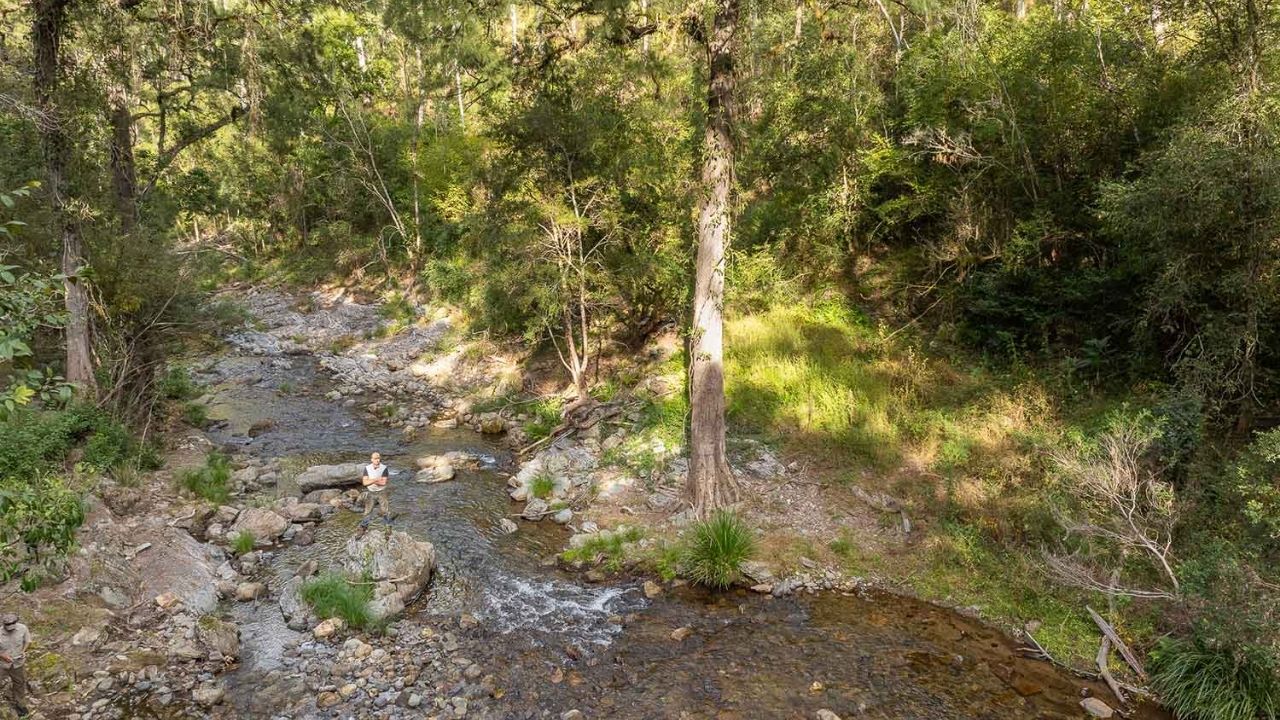
Mike Grgic built his fortune in the software sector and decided to use part of that wealth in a land preservation initiative. According to the source, he stated that it was necessary to think about how to use wealth, instead of just buying luxury goods.
The comparison with a huge yacht became the symbol of the story. The case shows an unusual choice: turning private money into land recovery, forest preservation, and spring protection, in a region where large natural areas are under usage pressure.
Purchase was made through an organization created by the entrepreneur
The farm was acquired through the Great Southern Land Conservancy, an organization created by Mike Grgic. The entity appears as an instrument to enable the purchase and lead the transformation of the property into a private preservation area.
According to the source, the idea arose when the entrepreneur realized that natural areas were rapidly disappearing due to agricultural expansion and logging. The purchase, therefore, is born as a direct response to the loss of vegetation cover and the degradation of large rural areas.
Area is located in the Great Dividing Range
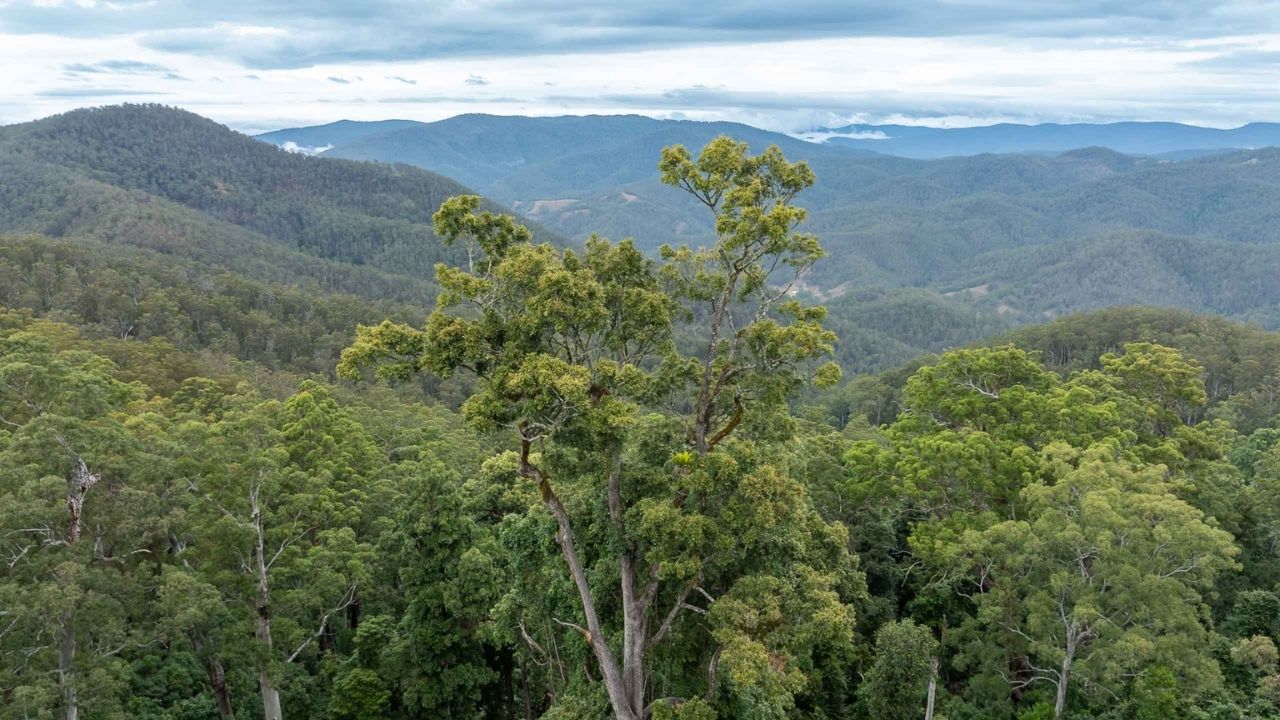
The property is located in the Great Dividing Range, in New South Wales, one of Australia’s environmentally relevant regions. The purchased area includes about 7,000 hectares near Port Macquarie National Park.
This detail reinforces the strategic importance of the acquisition. By protecting an area close to an already existing natural unit, the project can help strengthen landscape connectivity, preserve watercourses, and reduce the fragmentation of green patches.
Historic forest enters the center of the initiative
One of the objectives of the purchase is to protect a historic forest present in the region. The source does not detail the exact age of this forest but highlights its environmental importance within the acquired area.
The preservation of native cover is essential because forests help regulate temperature, protect the soil, reduce erosion, and maintain water quality. In this case, the farm ceases to be just a rural property and starts functioning as a piece of territorial restoration.
Springs and watercourses will also be preserved
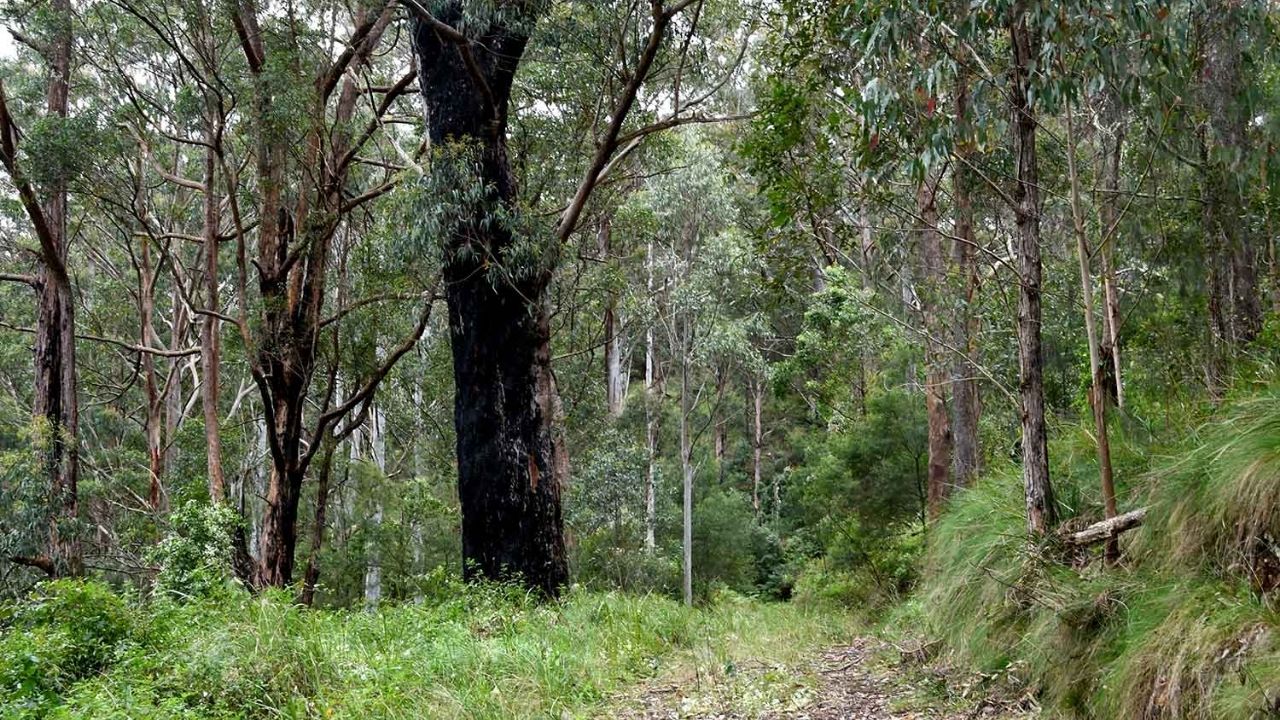
The project also includes the protection of springs and watercourses in the region. This point is important because degraded rural areas can directly affect water quality, soil balance, and surrounding vegetation.
By restoring native cover, the reserve can help reduce erosion processes and preserve local water systems. Water appears as a central part of the initiative, not just as a secondary element of the landscape.
Farm shows another destiny for degraded lands
The Australian case shows that a degraded farm or one used as pasture can have another destiny. Instead of continuing solely as a productive area, it can be restored as a forest, nature reserve, and water protection zone.
This model does not automatically apply to all places, but it opens up an important discussion: what to do with large private properties in regions of high environmental relevance? Grgic’s answer was to buy to restore.
Private purchase does not replace environmental policy
Despite the positive impact, private initiative does not replace broad environmental policies. The protection of forests, springs, and natural areas also depends on enforcement, legislation, territorial planning, and public participation.
The purchase of the farm is relevant precisely because it adds an individual action to a collective problem. It does not solve the loss of natural areas in Australia alone, but it creates a concrete area of preservation and recovery.
A choice that transforms luxury into forest
The story draws attention because it reverses the common logic associated with great fortunes. Instead of highlighting consumption, yachts, and symbols of luxury, the case places a historic forest, springs, and degraded pastures at the center of the decision.
The farm purchased by Mike Grgic comes to represent more than a rural property: it becomes an attempt to recover land, preserve water, and transform an area of old use into a private nature reserve.
Do you think great fortunes should be used more often to recover degraded lands and protect springs? Leave your opinion in the comments.