Portuguese
  Spanish


Hardly anyone knows niobium, but it makes steel stronger, is in airplanes and batteries, and Brazil has practically the world monopoly on it
Niobium is one of those metals that drive modern industry without being seen, and Brazil holds a position that no other country dreams of having: it holds the overwhelming majority of the planet’s reserves. While nations compete for lithium and rare earths, the country sits alone on almost all the stock that exists.
The Brazilian metal accounts for about 95% of the world’s reserves and more than 90% of global production. In 2024 alone, exports yielded US$ 2.1 billion, in a market that practically a single Brazilian company helped to create and still dominates.
95% of the world’s reserves in one country
The concentration is almost unbelievable. According to the Geological Survey of Brazil, the country holds an impressive 98% of the planet’s known reserves and accounts for more than 90% of the world’s commercial production, over an estimated total of 842 million tons of ore.
-
Embraer Hits Record $31 Billion in Orders, Largest Backlog in Its History

-
In 20 Years, Brazil Transformed from Cotton Importer to World’s Largest Exporter
-
Brazilian Official Proposes Plan to Revive 223 km Railway, Connecting 13 Cities and Transporting 32,000 Passengers and 600 Containers Daily, Plus a Tourist Train in Just 2 Hours 20 Minutes.

-
Water Tunnel to Cut Through Andes: 14 km Underground Passage at Over 4,000 Meters Could Transform Atlantic-Pacific Trade Routes


Within Brazil, the distribution is also uneven. Minas Gerais concentrates 75% of the reserves, followed by Amazonas with 21%, and Goiás with 3%. Having almost all the world’s ore within a single state is a geopolitical asset that few people realize, but it places the country in a strategic position in a sector that only grows.
What is niobium and why does steel need it
The inevitable question is: what is this metal used for? The metal is mainly used to manufacture ferroniobium, an alloy that makes steel much stronger and lighter. According to the Geological Survey of Brazil, about 100 grams of niobium are enough to increase the strength of a ton of steel.
This small addition makes a huge difference. Steel with this metal is used in pipelines, cars, buildings, wind turbines, and even in aerospace and nuclear structures. The metal also appears in airplane turbines and in MRI equipment. It is an invisible ingredient that makes almost everything that needs to withstand weight and pressure more resistant, from the car to the skyscraper.
CBMM, the company that created the metal market
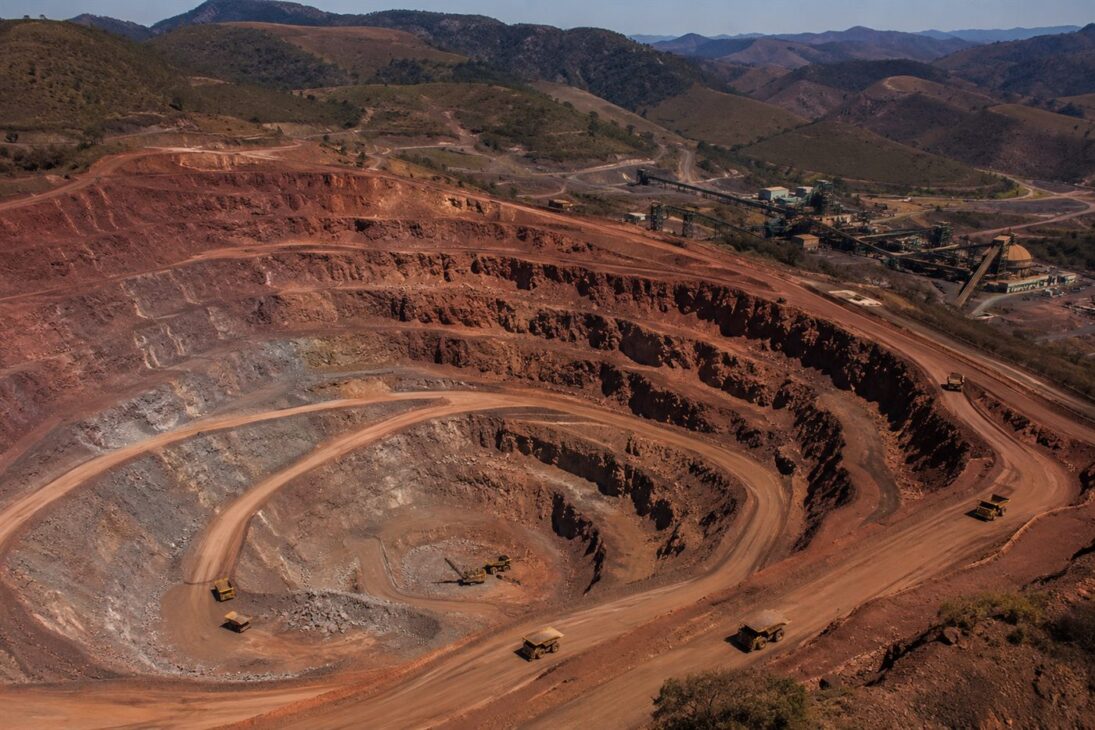
Behind this dominance lies a little-known Brazilian story. According to the Correio Braziliense, the mineral was identified in Araxá by geoscientist Djalma Guimarães in March 1953, and CBMM, Companhia Brasileira de Metalurgia e Mineração, was founded in 1955.
More than just extracting, the company practically invented the global market for the metal, showing the steel industry what it was for. Today CBMM accounts for about 80% of Brazilian exports of the metal. It was a company from the interior of Minas that taught the world how to use a metal that only Brazil had in abundance, a rare case of national industrial pioneering.
Araxá and a reserve for 200 years
The city of Araxá, 360 kilometers from Belo Horizonte, is the heart of this operation. The Correio Braziliense points out that there lies the largest niobium reserve in operation in the world, with about 527 million tons of ore, enough volume to supply current consumption for approximately 200 years.
This longevity is a huge competitive advantage. While other mineral commodities worry about depletion, the Brazilian metal has a guaranteed supply for two centuries. Knowing there is ore for 200 years gives the country a bargaining power that few resources offer, especially in a world increasingly hungry for strategic metals.
US$ 2.1 billion exported in a single year
The financial return matches the scale. Still according to the Correio Braziliense, niobium exports brought Brazil about US$ 2.1 billion in 2024, confirming the metal as one of the most valuable mineral products in the national agenda.
The value is impressive because it comes from a product that most people have never seen. Unlike soy or iron ore, the metal is sold in small volumes but with extremely high added value per ton. Earning billions with an almost unknown metal shows how not all Brazilian treasures are in plain sight, and how technical knowledge is as valuable as the deposit.
The bet on the niobium battery
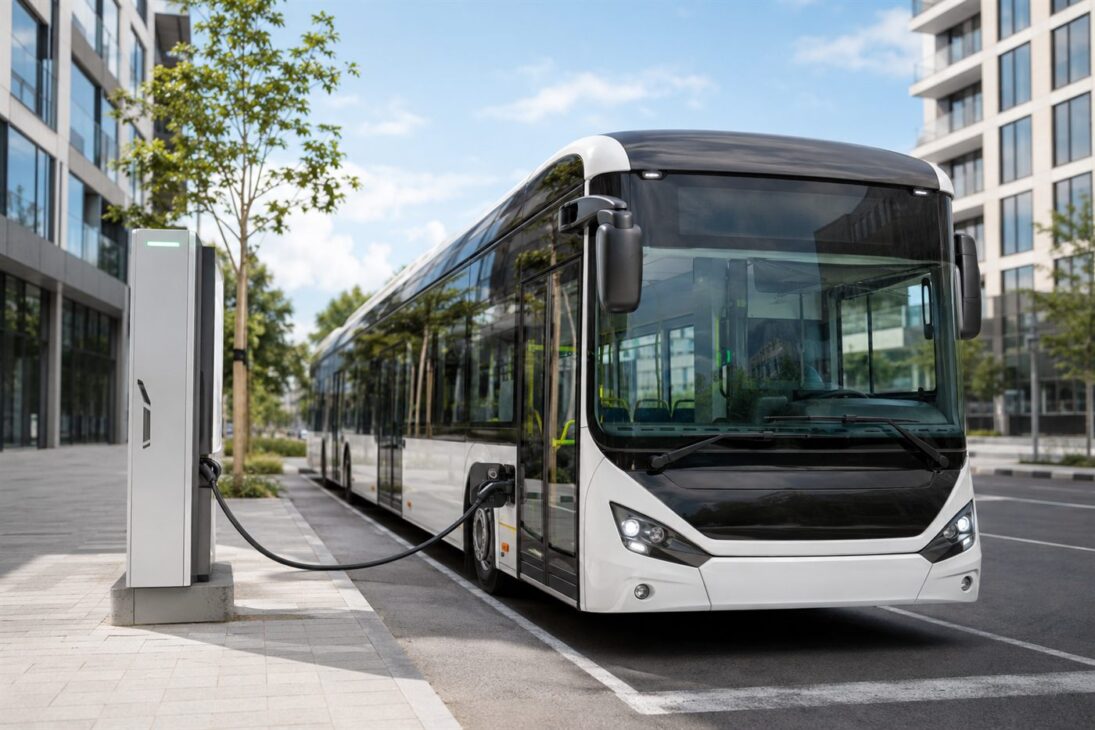
The future of the metal can go far beyond steel. In 2024, CBMM inaugurated in Araxá a niobium anode plant described as the largest in the world, precisely targeting the battery market. The metal has begun to be tested as a component of faster and more durable lithium-ion batteries.
The niobium battery has already left the laboratory. Correio Braziliense reports that, in 2024, an electric bus conducted the first test with this technology, in a partnership involving Toshiba and Volkswagen. If this technology takes off, Brazil will no longer just sell the metal and will start participating in the electric vehicle revolution, adding value instead of exporting raw material.
Why Niobium is Geopolitical Power
Having a monopoly on a strategic input is a strong card in the global game. In a world rushing to electrify transportation and strengthen its heavy industry, controlling niobium gives Brazil influence over chains ranging from steel to batteries. It’s the kind of advantage other countries can only achieve with a lot of diplomacy.
The risk, as with any commodity, is relying too much on a few clients and exporting the ore without adding value. The big question is whether the country will use this resource merely as a source of revenue or as a technology lever, transforming the deposit into a cutting-edge industry at home.
A Discreet Treasure that Brazil Still Underestimates
Niobium is proof that the Brazilian subsoil holds riches that go far beyond what the news usually shows. Almost all the metal on the planet is here, the supply lasts for centuries, and the product yields billions, but the subject rarely leaves the technical world and the stock market.
The question remains whether Brazil will turn this almost absolute dominance into real industrial and technological power. Did you know that the steel in your car and the skeleton of many airplanes depend on a metal that practically only exists in quantity in Brazil?