






 Portuguese
  Spanish


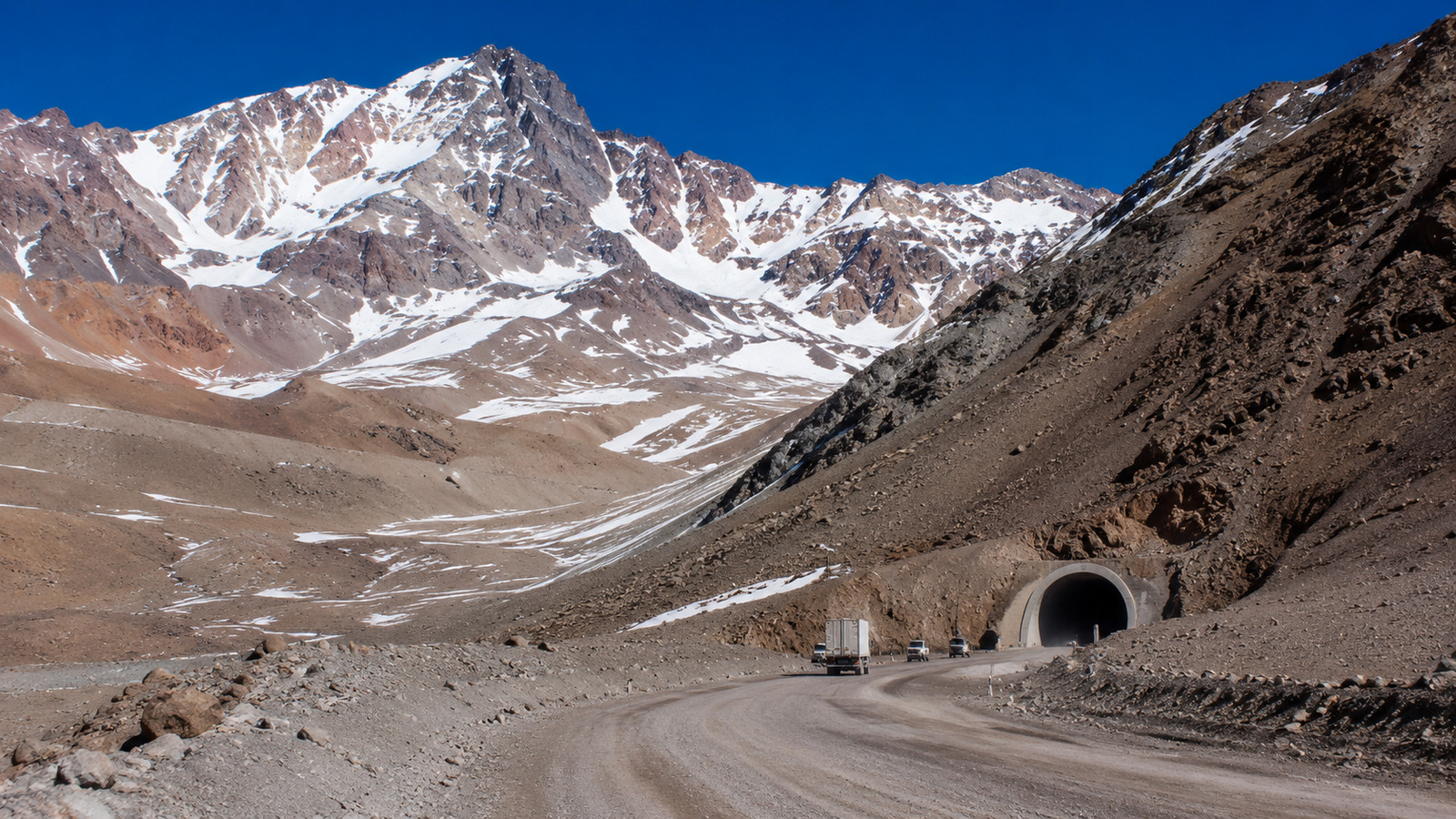

Project between Argentina and Chile plans underground crossing at more than 4,000 meters altitude, impacting freight transport, tourism, regional trade, and Brazilian exports towards Pacific ports
The Agua Negra tunnel, designed to connect San Juan in Argentina to the Coquimbo region in Chile, will be 14 kilometers long and will be located at more than 4,000 meters altitude. The construction aims to ensure a crossing through the Andes all year round, impacting freight transport, tourism, and regional trade. The data in this article is from this Bandab article, published on the 26th.


Agua Negra Tunnel should offer a more stable passage through the Andes
The project was conceived as an alternative to improve the land connection between Argentina and Chile through the Andes Mountain Range.
Currently, the main route between the two countries is through the Cristo Redentor international corridor in the Mendoza region.
-
Brazil’s Oldest Company, with 192 Years of History, Embraces Modern Tech with 4×3 Work Scale, Underground Wi-Fi, and Remote Operations

-
Chinese Company Enters Brazil to Compete with Mercado Pago, Stone, PagBank, Promising Local Manufacturing and Innovative Payment Solutions

-
Brazil Imports 85% of Its Whey Protein; New $120 Million Factory Aims to Change That

-
Sakura Soy Sauce, Originating from a São Paulo Village in 1940, Now Holds 75% of the Market



During winter, this route often faces interruptions caused by snow accumulation. These stoppages cause traffic jams and hinder the flow of goods between the two sides of the mountain range.
The proposal for the new tunnel is to reduce this type of problem, offering a safer and more continuous passage for trucks and passenger vehicles. This way, the crossing could become more predictable throughout the year.
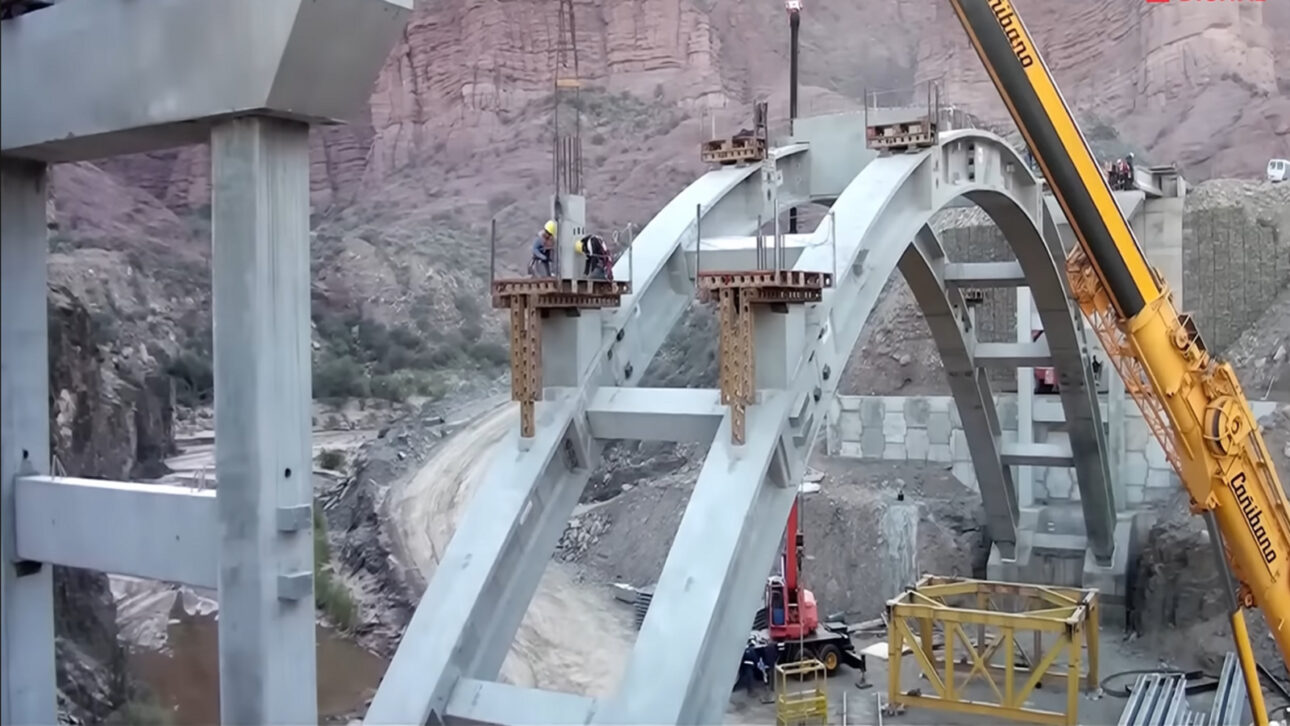
Tunnel construction will be 14 kilometers and will be above 4,000 meters altitude
The project is considered one of the major infrastructure projects in South America due to its physical size and location.
The underground tunnel will be 14 kilometers long and will be constructed in a high-altitude area, over 4,000 meters.
The conditions of the Andes Mountains make the construction a challenge for engineering. The planning needs to consider the geological characteristics of the region and the natural difficulties imposed by the terrain.
According to Mario Schiavone, Chilean consul in San Juan, the political commitment between Argentina and Chile remains firm for the execution of the project.

Work progresses in stages in Chile and Argentina
The development of the Agua Negra tunnel is taking place on different fronts in the two countries involved. In Chile, the mentioned actions include paving access roads and improvements in areas of greater geographical complexity.
In Argentina, the project continues with ongoing technical studies and land preparation for the start of the main excavations. These stages precede the heaviest phase of underground construction.
The joint execution is a central part of the initiative, as the corridor depends on integration between both sides of the border.
New route may favor Brazilian exports through the Pacific
For Brazil, the project could open a logistical alternative for cargo destined for Asian markets. The route would allow products to travel by road to Chilean ports on the Pacific Ocean.
The possibility is especially interesting to states in the South and Southeast regions, which could have a different option from shipping via the Atlantic and the Panama Canal.
The project is also presented as a way to strengthen regional integration, increase the competitiveness of Mercosur, and create a new trade corridor through the Andes Mountains.
This article was prepared based on the information provided about the Agua Negra tunnel, with data, numbers, and statements preserved as per the consulted content.


