






 Portuguese
  Spanish


The urban heating network of Strasbourg harnesses industrial heat from a paper factory and hazardous waste, moves hot water through pipelines, and reveals how waste heat can prevent energy waste when industry and city are close.
Instead of escaping during production, the heat from a paper factory in the Port of Strasbourg entered an urban network created to heat buildings and homes. The R PAS structure brings together the Blue Paper factory and a hazardous waste treatment unit called Trédi.
In a publication dated April 12, 2024, the Groupe Séché, a French waste management and treatment group, recorded that the network had been recovering heat from Blue Paper since 2021 and received contributions from Trédi in 2023. The forecast released for 2024 was to exceed 150 GWh of recovered heat, a volume compared to the consumption of up to 30,000 homes.
The figure of 150 GWh represented a goal for 2024, not a subsequent confirmation of delivery. Even so, the project shows how an industry can send part of the excess heat from its operation to nearby locations that need heating.
-
Belgian Port to Install Shore Power for Cruise Ships by 2027, Cutting Dock Emissions by Up to 5% and Meeting EU Regulations

-
Canadian Project Converts Hot Water from Mature Oil Fields into Electricity, Repurposing Existing Wells and Infrastructure
-
Finnish City to Store 90 GWh of Heat in Underground Caves by 2030 to Reduce Winter Reliance on Batteries and Immediate Energy
-
Brazil Aims to Become a Global Exporter of Green Hydrogen, the Clean Fuel Set to Generate Billions


How an urban heating network brings heat from industry to buildings
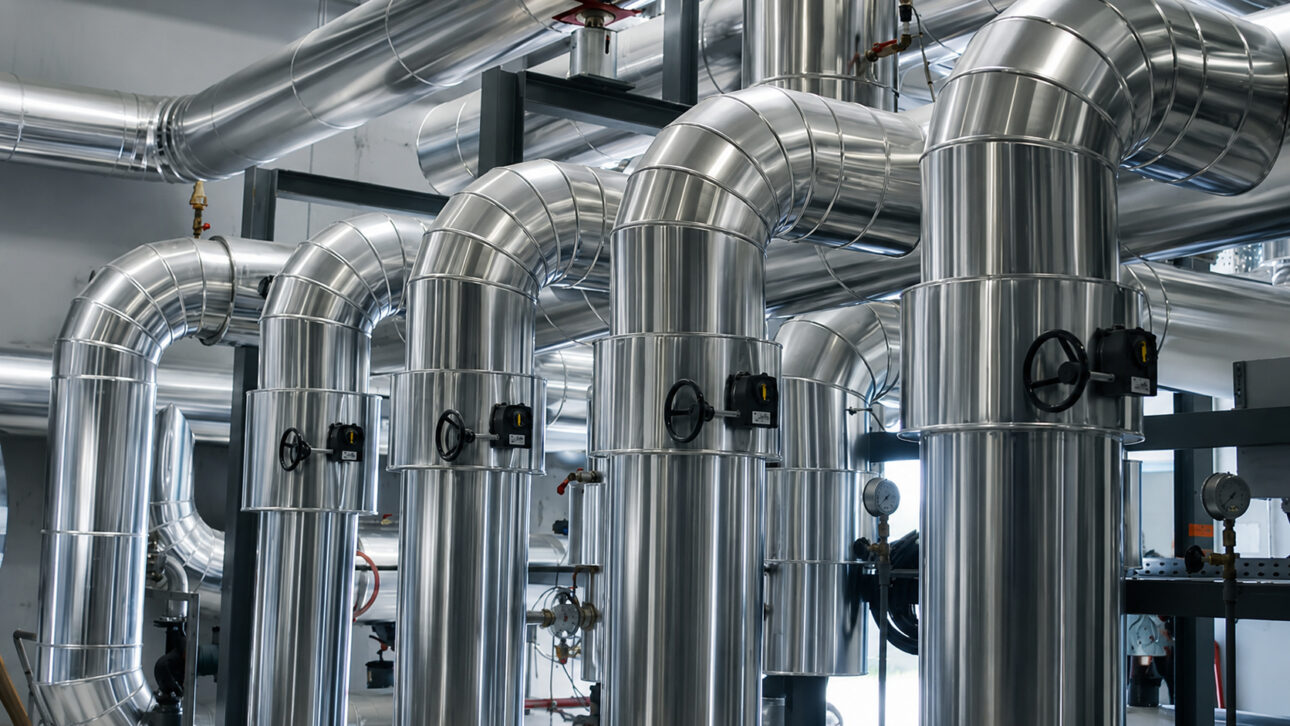
An urban heating network works with hot water circulating in pipelines. The factory provides the heat, the water carries this energy to the connected buildings, and then returns to receive heat again.
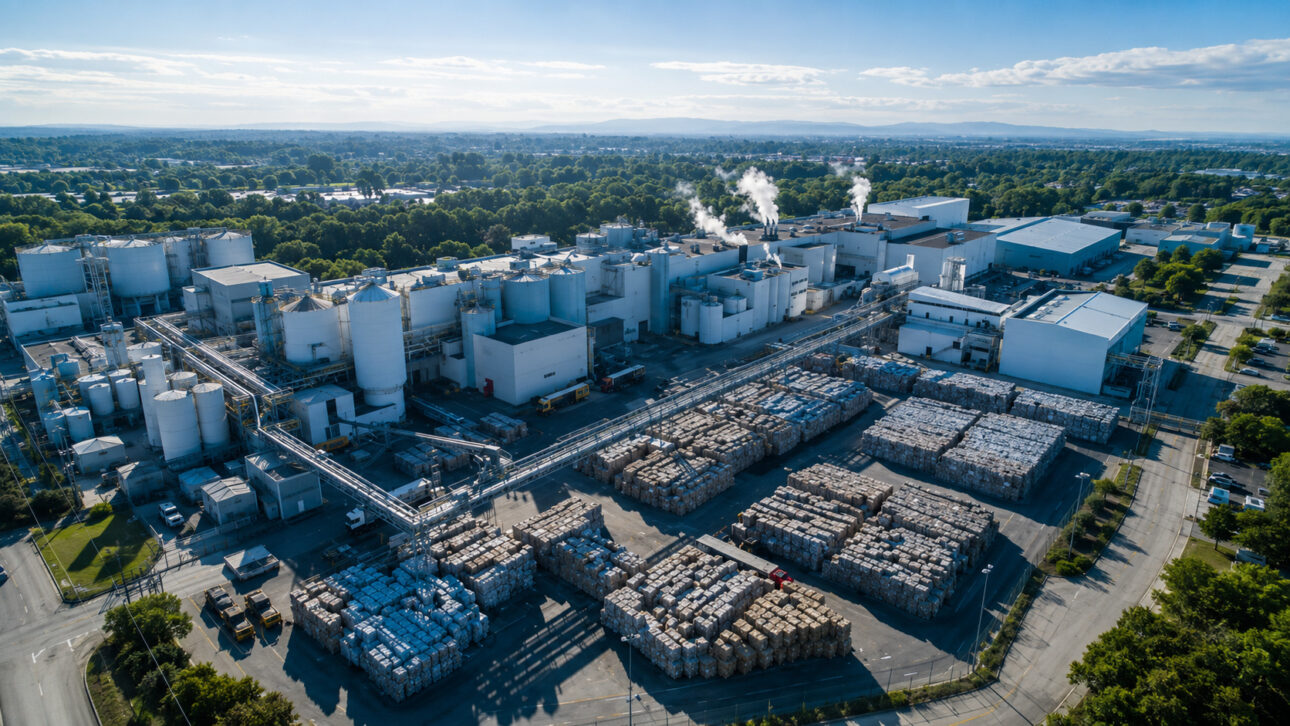
The so-called waste heat is the energy leftover from machines and industrial processes. In many cases, this heat leaves the factory unused. When recovered, it can help heat water, environments, and nearby facilities.
The logic depends on the distance between factory and consumers. The longer the pipeline route, the higher the construction cost tends to be, and the greater the potential temperature loss along the way.
For this reason, port areas and industrial hubs close to neighborhoods, hospitals, schools, and shopping centers may have more favorable conditions for this type of structure.
Blue Paper and Trédi provide heat for the R PAS network
Blue Paper was the first heat source connected to the system. The paper mill began transferring part of the surplus energy from its operation to the network serving the surroundings of the Port of Strasbourg.
Trédi joined the project in 2023. The unit works with the thermal treatment of hazardous waste, a process that uses high temperatures to handle materials requiring special care.
The two sources show an important difference. Useful heat does not need to come only from a paper mill, as it can also come from industrial processes that treat waste and generate high temperatures.
This reuse does not eliminate all the impacts of an industrial activity. The function of the network is to utilize a portion of energy that already exists in the process and that previously might have gone unused.
The forecast to exceed 150 GWh in 2024 was compared to the consumption of 30,000 homes
The figure of 150 GWh helps to show the scale of energy projected for the network. GWh means gigawatt-hour, a measure used to indicate the total amount of energy provided over a period.
The comparison with up to 30,000 homes serves to make this volume easier to understand. It does not mean that each residence would receive an individual connection or that the entire city would be served by the network.
The planning mentioned for 2024 included locations such as the Coop neighborhood, the Rhéna clinic, the headquarters of the Ports of Strasbourg, the Malteries Soufflet, and the Port du Rhin school.
In practice, the network focuses its operations in an area where there is industry capable of supplying heat and consumers located close enough to receive this energy through pipelines.
Eleven kilometers of pipelines and 40 million euros show the size of the infrastructure
The R PAS network installed 11 kilometers of pipelines in the first years of the project. The structure first connected Blue Paper and then the Trédi unit.
The Séché Group, a French waste management and treatment group, detailed investments made and planned of 40 million euros for the project. The amount involves a structure capable of capturing, transporting, and distributing heat between the industry and the consumers served.
Pipelines, pumps, and control equipment are part of this operation. The water needs to circulate at the appropriate temperature and pressure so that the heat reaches its destination without compromising the system’s safety.
This point explains why an urban heating network requires planning. It’s not enough to have a factory with available heat, as it’s necessary to build the physical connection to the places that will use the energy.
Long-term contracts help maintain heat supply
A heat network depends on a continuous relationship between those who generate the energy, those who operate the pipelines, and those who receive the heat. Long-term contracts help define responsibilities and provide stability to a structure that requires high investment.
These agreements can address the availability of heat, maintenance, and supply conditions. Predictability is important because the pipelines and equipment are used for many years.
Operational safety also needs to accompany the entire routine. Measuring temperature, pressure, and water flow helps keep the system stable and reduces risks during heat transport.
For those who receive the energy, the main benefit is having a heating source linked to a collective structure. For those who supply, the gain is in adding value to energy that previously had no use outside the factory itself.
Paper, pulp, chemical, and steel industries can inspire studies in Brazil
The example of Strasbourg does not prove that every Brazilian industry can create a similar network. Each location needs to evaluate the amount of available heat, the cost of pipelines, the distance to consumers, and the continuity of industrial activity.
Even so, paper and pulp hubs, chemical and steel industries can observe this model. These activities use processes that generate heat and, in some cases, are close to areas with buildings and services.
Ports and industrial districts can also study this possibility when there are energy consumers nearby. The central point is to verify if the excess heat from an operation can be used safely and financially viable.
The French experience reinforces that industrial heat can cease to be just a loss. When there is planning, infrastructure, and nearby consumers, this energy can gain utility outside the factory walls.
The R PAS project showed an alternative to harness heat from a paper factory and a hazardous waste unit in an urban network. The goal announced for 2024 was to exceed 150 GWh and serve the equivalent of up to 30,000 homes.
The case also provides an important warning for Brazil. Heat recovery depends on short distances, expensive construction, safe operation, and contracts capable of maintaining supply for many years.
In your region, which nearby buildings could be served by the heat from an industry without requiring a new energy source? Share your opinion in the comments.


