Portuguese
  Spanish


Five of the world’s largest importing markets broke records for Brazilian beef purchases in the first quarter of 2026. Russia doubled its imports, the United States grew by 28.5%, Chile advanced by 28.6%, China renewed its maximum with 325 thousand tons, and the European Union expanded purchases to levels far above previous years. The average export price reached US$ 4.89 per kilo, the highest ever recorded for the period.
Brazilian beef has reached an unprecedented level of competition in the international market. COMEX data shows that the first quarter of 2026 produced simultaneous import records in five of the main destinations for Brazilian protein: Russia, China, the United States, Chile, and the European Union. In addition to the record volume, the average export price reached US$ 4.89 per kilo, surpassing the previous mark from 2022 and confirming that Brazilian beef has never been worth as much as it is now in the global market.
The most significant phenomenon is not the record itself, but the fact that it is happening in multiple markets simultaneously. China continues to be the largest buyer, with 325.42 thousand tons in the quarter, but its relative share of Brazil’s total exports has been decreasing year by year. The explanation is that other buyers are growing faster: Russia doubled its purchases, the United States and Chile advanced almost 29% each, and the European Union expanded imports to levels not seen for years. Brazilian beef is diversifying its destinations at the same speed at which it breaks volume and price records.
The numbers that explain why the whole world wants Brazilian beef

According to information released by the portal, farmnews, the detailed data by market reveals the dimension of demand. China imported 325.42 thousand tons of Brazilian beef in the first quarter of 2026, a growth of 16.3% over the 279.71 thousand tons in the same period of 2025. The United States bought 98.17 thousand tons, an increase of 28.5%. Chile registered 38.57 thousand tons, an advance of 28.6%. Russia jumped from 13.8 thousand to 27 thousand tons, practically doubling in one year.
-
Brazilian Farmer Invents Low-Cost Tractor Using Motorcycle Parts, Efficiently Working 2 Acres on 1 Liter of Diesel

-
Regenerative Farmers Use Keyline Plow to Improve Pasture Hydration, Storing 1 Gallon of Water Every 30 Centimeters

-
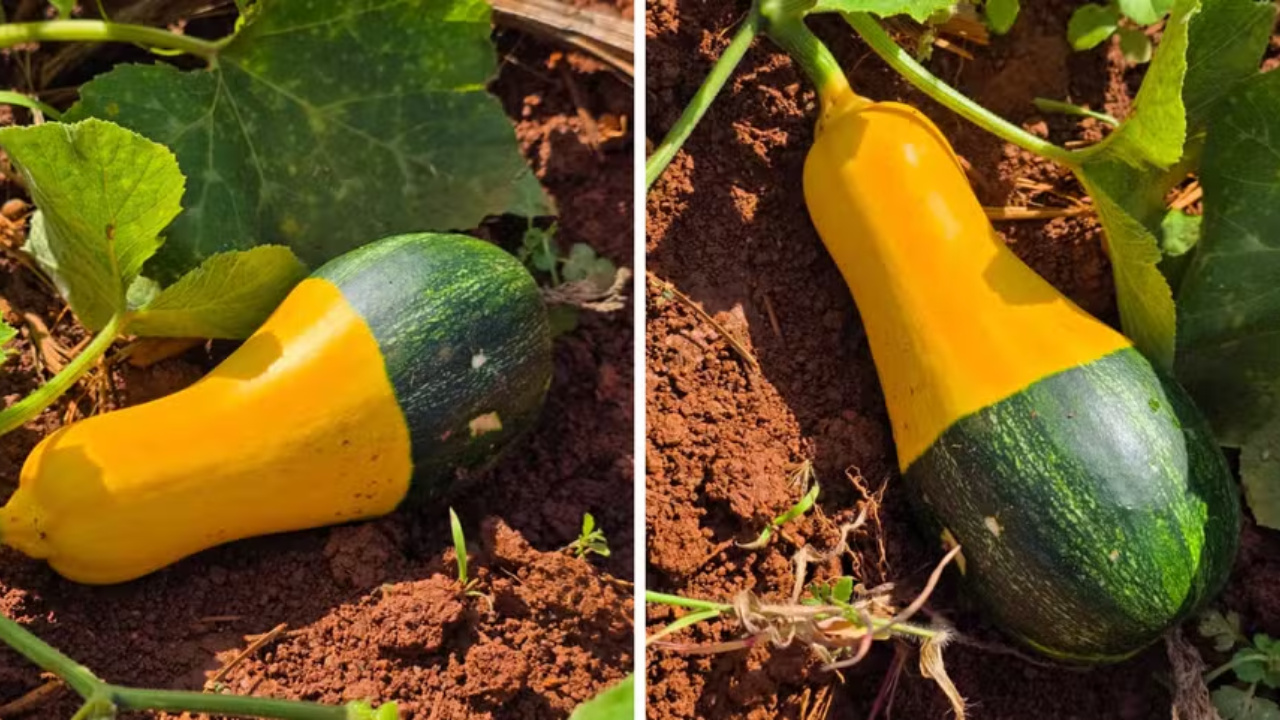
Bicolor Pumpkin Resembling Hand-Painted Art Discovered by Brazilian Researchers in the Capital Due to “Spontaneous Mutation”

-
In China, a 26-story building produces 1.2 million pigs annually, revolutionizing livestock farming with tube feeding and AI surveillance.



Each market has its reasons for buying more. In the United States, the low cattle cycle reduces domestic supply and forces imports. In Russia, Western sanctions limited traditional suppliers and pushed Moscow towards partners like Brazil. In the European Union, environmental regulations make local production more expensive. In Chile, economic growth increases demand for quality protein. The result is a convergence of factors that transforms Brazilian beef into the most sought-after product in global food trade.
The record price of US$ 4.89 per kilo and what drives it
The average export price of Brazilian beef in the first quarter of 2026 not only broke a record but also surpassed the 2022 mark, which until then was the highest ever recorded for that period of the year. The US$ 4.89 per kilo represents an increase of 6.7% compared to the same quarter of 2025, and the movement was driven by historical highs in prices practiced by the United States, Chile, the European Union, and Russia simultaneously.
The generalized increase in prices reflects a global scarcity of quality beef protein. Brazil, as the world’s largest exporter, benefits from a position where demand grows faster than the supply capacity of competitors, such as Australia and Argentina, which face climatic and regulatory restrictions. For the Brazilian rural producer, the scenario of record volume combined with maximum price means margins that justify investment in livestock farming.
China remains leader, but loses relative share
China comfortably maintains its position as the largest importer of Brazilian beef, but its share of total exports has been decreasing discreetly and consistently. In 2026, China’s share of total exports was smaller than in the same period of previous years, not because China is buying less, but because other markets are growing faster.
This diversification is strategic for Brazil. Relying on a single buyer for most beef exports creates vulnerability, which became evident when China imposed specific sanitary embargoes in previous years. With Russia, the United States, Chile, and the European Union increasing their purchases at a faster pace than China, Brazil is gradually reducing this concentration without losing its largest client, a balance that strengthens the country’s negotiating position.
What the USDA projects and why the 2026 forecast generates debate
The United States Department of Agriculture revised upwards, in April 2026, the expectation for Brazilian beef exports for the full year. The projection, however, is still below the total volume observed in 2025, which raises the question of whether the records of the first quarter will be sustained throughout the year or if they represent an anticipation of purchases by importers seeking to secure stock.
The USDA also reduced the purchasing outlook by China, which may explain the caution in the annual projection. If Chinese demand slows down in the second half of the year, Brazil will need other markets to maintain an accelerated pace to compensate. The first quarter data suggest that this compensation is already happening, but the second half of the year will be the definitive test to determine if 2026 will be the year Brazilian beef broke all records or merely started strong and then slowed down.
What the global dispute over beef means for Brazil
For Brazilian agribusiness, the data from the first quarter of 2026 confirm that the country holds a unique position in the global animal protein market. Mining accounts for a significant portion of the trade balance, but beef is the product that diversifies most in terms of destinations and demonstrates Brazil’s ability to meet simultaneous demands from markets with completely different sanitary, cultural, and logistical requirements.
The challenge that remains is to ensure that record export prices do not translate into unaffordable beef for Brazilian consumers. The tension between exporting at maximum prices and supplying the domestic market at values compatible with the population’s income is a dilemma that the sector and the government need to resolve without losing the international competitiveness that took decades to build.
Do you feel the effect of record beef export prices in your pocket, or do you think the domestic market is not affected by what happens abroad? Tell us in the comments if meat prices have risen in your region and what you think about Brazil being the most sought-after supplier in the world.