






 Portuguese
  Spanish


With a flex + electric engine and a range of 1,000 km, the Lecar 459 promises to shake up the sector. But conflict with the MDIC threatens the future of the Brazilian startup.
A car startup based in Betim, Minas Gerais, has just taken a concrete step towards what could be one of the boldest launches in the Brazilian automotive industry in recent years. Lecar, founded by Flávio Figueiredo Assis — an entrepreneur who earned the nickname “Brazilian Elon Musk” for his willingness to tackle markets dominated by giants — revealed last Friday (5) the first official photographs of the advanced prototype of the 459, its debut car. The model promises 1,000 kilometers of range with an unprecedented hybrid system and already has an estimated date for the first road tests.
Lecar: A hybrid unlike anything else in Brazil
Before talking about design or price, it’s worth understanding what makes the Lecar 459 technically different from the hybrids already on the road in the country. The operating logic is simple: the combustion engine does not move the wheels at any time. Its sole function is to generate electricity to power the battery while the car is running. It is the electric motor that does the propulsion work — from start to finish of the journey.
To achieve this, the automaker brought together national and international suppliers in a balanced set:
-
Renault Sandero: Affordable Used Models Feature 1.6 Engine, 106 HP, 14.7 km/l Fuel Efficiency, and Cruise Control Options.

-
Volkswagen Jetta Highline Remains Popular Years After Discontinuation: Features 2.0 TSI Engine, DSG Transmission, and Spacious Trunk, All for Less Than a New Fiat Argo

-
Brazilian Company from Caxias do Sul Among World’s Leading Brake Friction Material Manufacturers, Present in Over 125 Countries

-
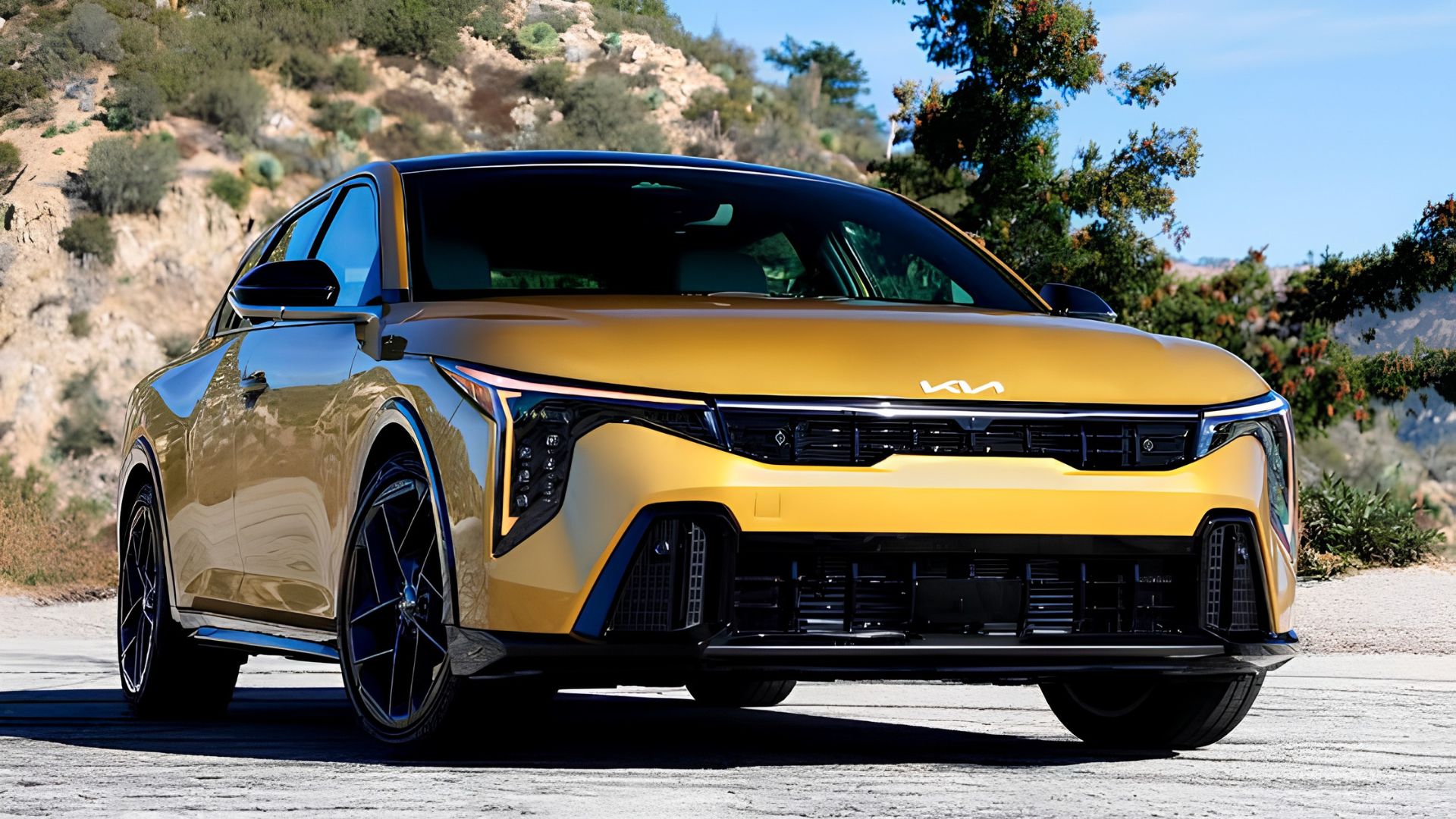
Kia K4 Launches in Portugal with 7-Year Warranty, Targets Volkswagen Golf with 1.0 Turbo Engine, Unavailable in Brazil


- 1.0 turbo flex engine from Horse: 122 hp, acting as a generator;
- Electric motor from Hepu: 165 hp, responsible for moving the vehicle;
- 18.4 kWh battery integrated with a generator from WEG;
- Total estimated range: up to 1,000 km per refueling.
This type of architecture, called an extended range hybrid, is relatively rare in the national market and can represent a significant advantage for those who make long trips between cities.
Revealed look: fastback, metallic blue and without a grille
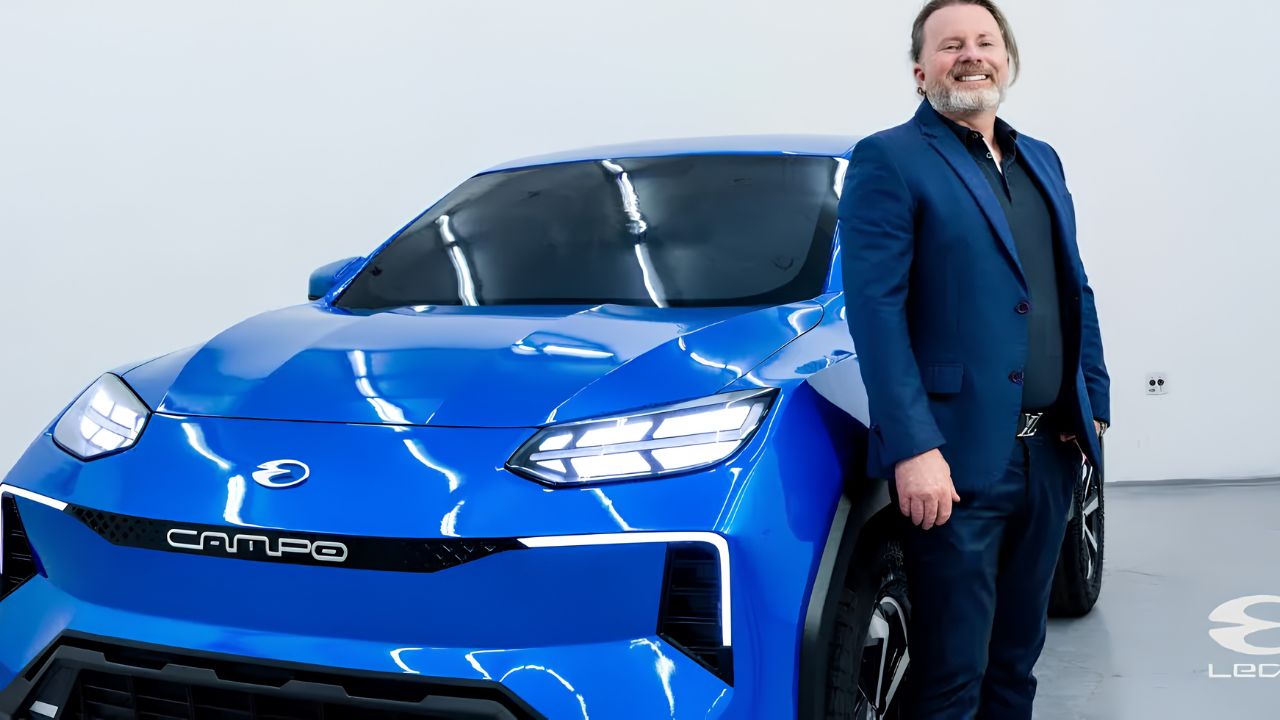
The images recorded at the Sander Factory in Betim show a sedan with a fastback body in a light metallic blue tone, with clean lines and the absence of a conventional front grille — a common feature in electric and hybrid vehicles, which do not require large air intakes for the engine.
Wheels and external finishes are already at a stage close to the final product that should reach dealerships. The look is modern and competitive for the segment’s standards. The question now is to move from appearance to mechanical proof.
Road Tests
According to Estadão, the forecast is that road tests will begin as early as next month. This stage is decisive: while the visual prototype already conveys project maturity, the technical specifications — including the 1,000 km range — can only be validated with the vehicle operating in real use conditions.
For any emerging automaker, this phase concentrates risks and opportunities at the same time. A positive result in the tests can accelerate market and investor interest. A negative surprise, on the other hand, could compromise the launch schedule.
Suspended Incentives
In addition to engineering challenges, Lecar faces a political and economic obstacle. The Ministry of Development, Industry, Commerce and Services (MDIC) suspended the tax benefits the company was seeking under the federal program Mover — a line created to encourage the production of more efficient vehicles in Brazil.
The reason for the suspension was the absence of proof of mandatory investments in local research and development, a requirement provided for in the program’s rules. Without these incentives, the production cost of the 459 may significantly increase, directly impacting the final price to the consumer and the brand’s competitiveness against already established automakers.
Beyond the Lecar 459, there will be a pickup and a 90,000 m² factory
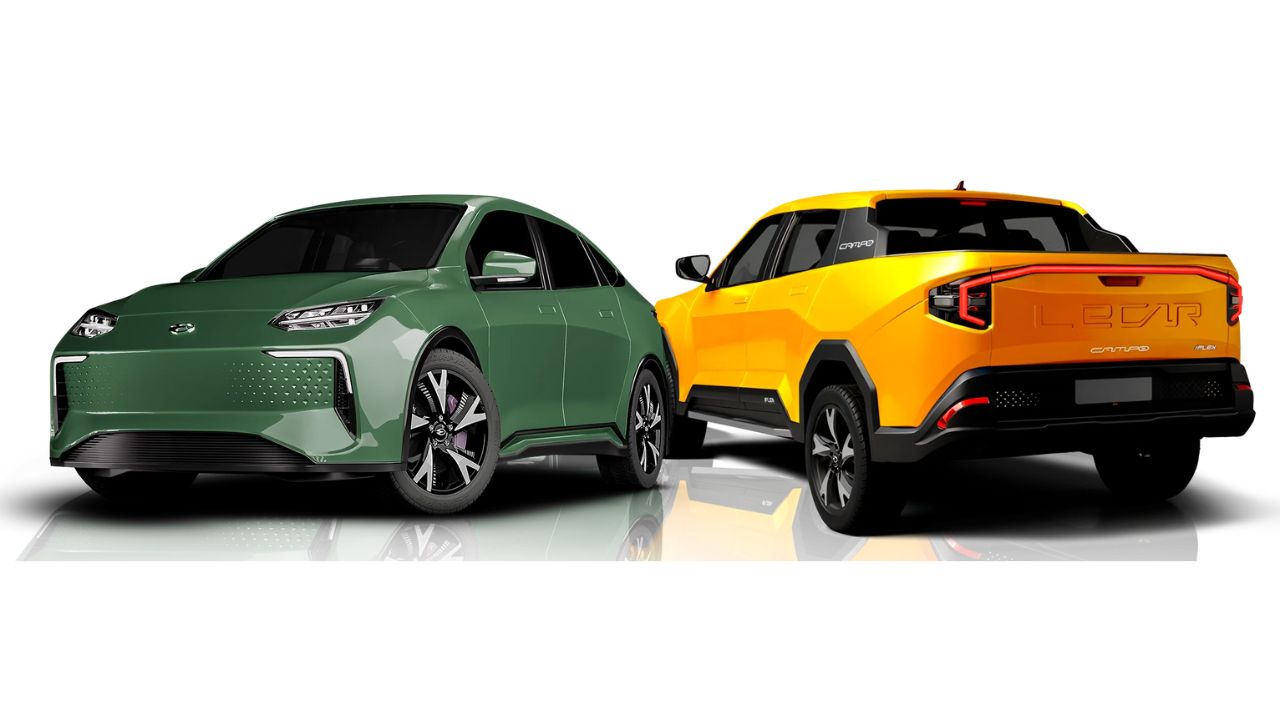
Lecar’s plan goes beyond a single model. Alongside the development of the 459, the company is working on the Campo, a double-cab pickup positioned to compete with popular models like the Fiat Strada — a segment that has led sales in Brazil for consecutive years.
To produce the two models on a large scale, the automaker plans the construction of a 90,000 square meter industrial plant in Sooretama, Espírito Santo, with the capacity to manufacture up to 120,000 units per year. The inauguration was scheduled for an earlier date but was postponed: the new estimate points to August 2027.
Source: CanalTech


