






 Portuguese
  Spanish


What was industrial waste piled up in the steel mill yard now has its own technical standard and becomes sub-base and base for pavement in inland cities
Steel slag has always been seen as a nuisance: the heavy mineral residue left over when steel is produced. According to information from Arcelor Mittal, now, this waste has become standardized engineering material, and ArcelorMittal has already donated about 6 million tons of it, in the form of Revsol line co-products, to pave streets and roads in more than 60 municipalities.
Instead of occupying yards and landfills, the material went to the ground of cities, replacing the gravel extracted from quarries. One of the largest wastes of the heavy industry has become a road base with an official technical stamp.
From steel waste to road base
Every ton of steel leaves behind a large amount of slag, a rocky material that remains from the fusion of ore. For decades, the natural destination of this residue was piling up, occupying space and becoming an environmental liability for steel mills.
-
BMW Demonstrates Real Value of Humanoid Robots: 30,000 Cars Assembled with Physical AI in European Production Line, Experiment Continues

-
Cut Plastic Bottles Become Electricity-Free Air Conditioners in Bangladesh, Cooling Metal Homes During Extreme Heat

-
Over 70 Experts Join Global Project to Monitor Giant Asteroid Apophis, Visible to the Naked Eye During 2029 Earth Approach; Introducing Asteroids2029 Initiative
-
Brazil’s Santa Catarina Dumps 800,000 Tons of Sand in $53 Million Coastal Project, But Seawater Returns in Less Than Two Months





The turnaround was seeing slag not as waste, but as free crushed stone. Once processed and classified, it has properties similar to those of natural aggregates used in construction. The waste that the plant paid to store started to solve a problem for those who build roads.
According to ArcelorMittal Brazil, the reuse of steel co-products is a central piece of its circular economy strategy, transforming what is left from production into a product with real use and market.
What is steel slag and why was it left over
In steelmaking, steel slag forms during the steel refining stage, when impurities and fluxes separate from the liquid metal. It is a material rich in oxides, dense and resistant, that comes out hot from the furnace and cools down turning into a rocky aggregate.
The historical problem is that it was left over in huge quantities. A large-scale plant generates mountains of this material every year, and without a noble use, it accumulated. Storing waste costs money, space, and environmental license, a constant burden for the operation.
Transforming this leftover into input solves both sides: it relieves the steel mill of the liability and offers construction an abundant and cheap aggregate, without opening new quarries.
The standard that became key: NBR 16364
What separates a good idea from reliable material is the technical standard. In this case, the ABNT NBR 16364 specifies the use of steel aggregate for the execution of sub-base and base of pavements, providing engineering support for the use of slag in roads.
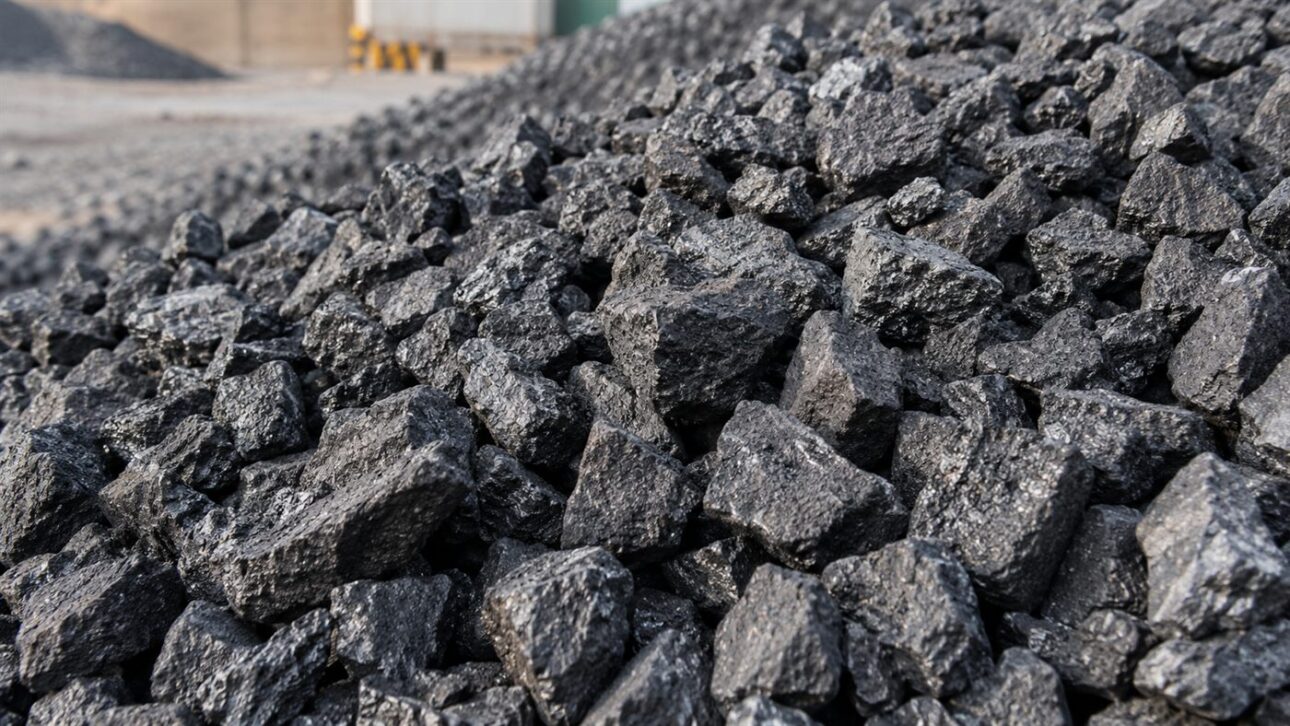
Having a standard changes everything. Without a standard, the material is a curiosity; with a standard, it can be specified in projects, accepted by municipalities, and used in public works. It’s the difference between an experiment and a market product.
Standardization also reassures the engineer because it defines quality, granulometry, and performance parameters that the material must meet. It’s the guarantee that the road made with slag will behave as expected.
6 million tons for 60 municipalities
The scale of the program is what impresses. About 6 million tons of Revsol line co-products were donated to enable paving in more than 60 municipalities, mainly in the interior of Espírito Santo and neighboring regions.
According to ES Brasil, Revsol already paves roads in the interior of Espírito Santo, bringing construction to those who need it most. Six million tons is a huge volume of material that stopped becoming waste and turned into urban and rural mobility. For small cities with tight budgets, receiving free aggregate to pave streets is quite a gift. The cost that was an environmental expense for the plant became a public benefit for dozens of cities.
This fit between an industrial problem and a municipal need is what makes the initiative so efficient: both sides win in the same move.
Revsol: the co-product that replaces gravel
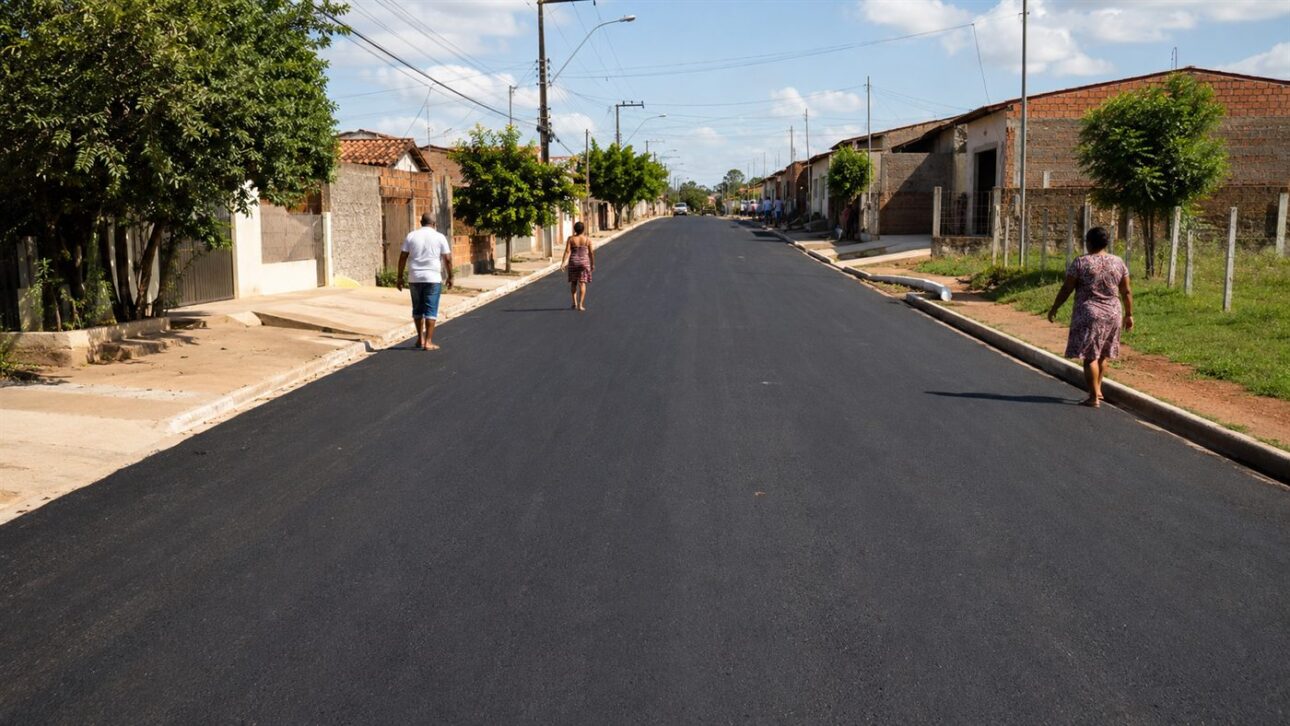
The Revsol line is the commercial name of these steel co-products prepared for construction. In practice, the material replaces gravel and other natural aggregates that would be extracted from quarries, with adequate technical performance for pavement layers.
Each ton of slag used is a ton of rock that does not need to be extracted from nature. Replacing quarry with reused waste reduces environmental impact twice: it does not open a new hole and does not accumulate old residue. It is circular economy in the most literal sense.
For the steel mill, transforming the by-product into something useful and donatable also generates value in image and relationships with the communities where it operates, in addition to reducing disposal costs.
Circular economy that turns into roads
The case is a clear example of circular economy applied to heavy industry. Instead of the linear model of extracting, using, and discarding, the slag enters a cycle where the waste from one process becomes the raw material for another.
Civil construction is the perfect destination for this, because it consumes aggregates in gigantic volumes. Matching the industry that has excess material with the industry that devours material is the key to closing cycles on a relevant scale. Few sectors absorb waste as well as paving.
Multiplying initiatives like this, with other wastes and other steel mills, could transform the way Brazil deals with industrial liabilities, treating them as a stock of raw material.
Why this matters for Brazil
Brazil has a huge paving deficit, especially on rural roads and streets in small towns, where mud in the rain and dust in the dry season hinder life and the local economy. Cheap and abundant aggregate directly addresses this problem.
At the same time, the country produces a lot of steel and, therefore, a lot of slag. Combining the surplus from the steel industry with the lack of pavement is solving two national problems with a single policy. It is the kind of practical solution that dispenses with imported technology and uses what already exists here.
If the model spreads to other plants and states, the volume of roads that could be made from steel industry waste is enormous, with embedded environmental and social gains.
The technical precautions
None of this dispenses with rigor. Steel slag has particularities, such as the tendency to expand if not well cured and stabilized, which requires quality control before application. That is why the technical standard is so important.
Used correctly, within specifications, it behaves like a reliable and durable aggregate. Used incorrectly, it can cause problems in the pavement. The difference lies in the process and adherence to the standard, not in the material itself.
With this care, the result is counterintuitive and virtuous: the heaviest surplus from a steel plant becomes the firm ground of dozens of cities. If slag already paves roads, how many other industrial wastes are just waiting for a technical standard to stop being waste?


