Portuguese
  Spanish


The Japanese Shimano holds about 70% of the mid to high-end bicycle gear and brake market and is still a giant in fishing reels, an almost absolute dominance that most people don’t even notice
If you have a bicycle at home, look at its gears and brakes. It’s very likely they are engraved with just one name, that of a Japanese company. This bicycle parts manufacturer dominates the sector in a way that has almost no parallel, equipping everything from cheap supermarket bikes to the ones that win the biggest competitions on the planet.
The number is impressive. According to FundingUniverse, this Japanese manufacturer is the largest in the world in components like chainrings, gears, and brakes, with about 70% market share, a rare concentration in any industry. And, as if dominating cycling wasn’t enough, the same company is also among the largest in the world in fishing equipment.
How the largest bicycle parts manufacturer dominated the world
The company’s secret is making the part of the bicycle that almost no one knows how to manufacture well: the transmission system. Gears, derailleurs, sprockets, chains, and brakes require precision engineering, durable materials, and years of refinement. It’s the difference between a bike that shifts smoothly and one that locks up and creaks.
-
German Startup Raises €8 Million to Build Robot for 24/7 Harvesting of Tomatoes, Cucumbers, and Peppers Without Human Labor

-
The Pharmaceutical Glass Invented by a German Chemist in 1884 Was Crucial for 75% of Global COVID Vaccine Projects

-
Dinosaur Bone Found in 1985 on James Ross Island Identified as First Confirmed Titanosaur Fossil from Antarctica, Shedding Light on a Once-Green Continent
-
Scientists Develop System to Turn Seawater into Drinking Water Using Only Sunlight, No Electricity Needed


The company concentrated decades of knowledge in this specific area and became practically indispensable. Bicycle manufacturers worldwide build their bikes around these components, instead of making their own, because competing with this level of refinement would be too expensive. Thus, the largest bicycle parts manufacturer became the invisible heart of almost every bike sold on the planet.
About 70% of the market in the hands of just one company
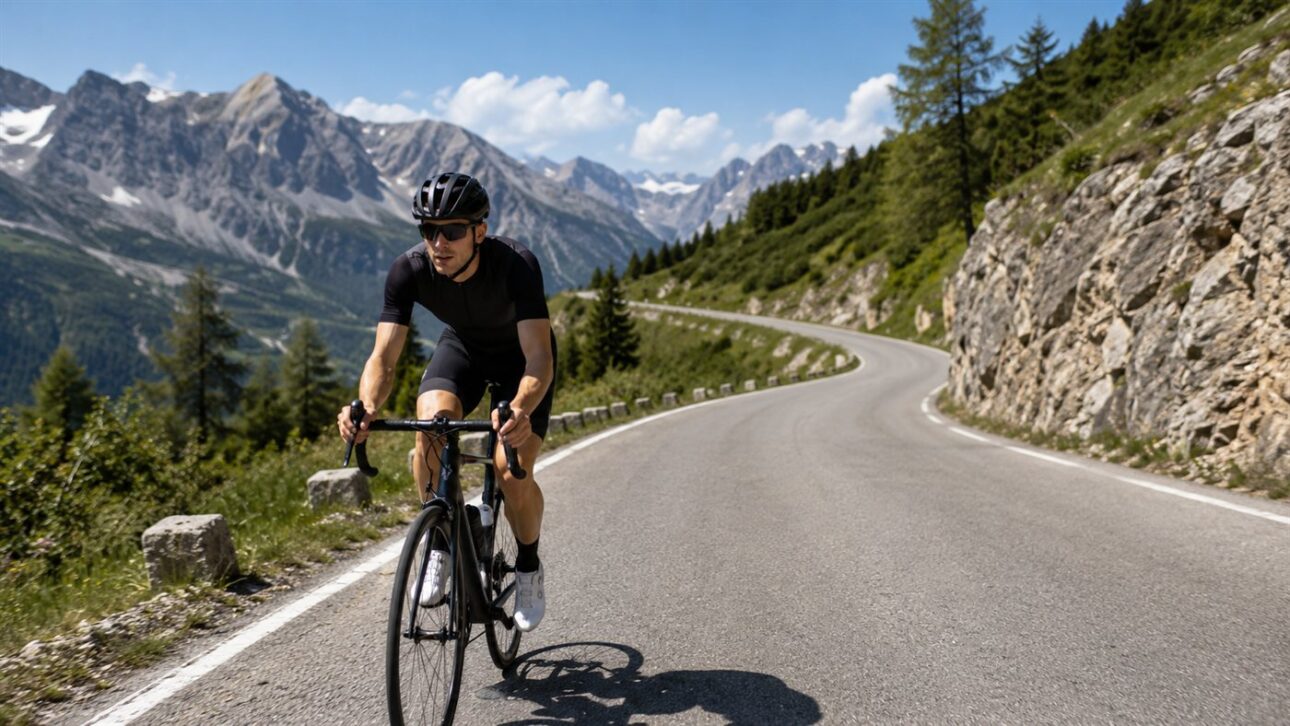
Dominating 70% of a global market is almost unprecedented. It means that out of every ten medium and high-standard bicycles assembled in the world, seven use transmission from a single brand. According to Fideres, the Japanese company holds around 70% of the medium and high-standard components market, a share that few sectors have and that gives the company enormous power to set standards, prices, and the pace of innovation.
This dominance did not come from luck, but from consistency. The company invests heavily in research and constantly launches improvements, keeping competitors always a step behind. When a brand becomes synonymous with an entire part, the competition needs not only to match but to convince the market to change its habits, which is extremely difficult. The bicycle gearshift has become, in the consumer’s mind, almost a single-brand product.
A freewheel in 1921 turned into an empire
The origin is humble, like that of so many giants. According to FundingUniverse, in 1921 a Japanese man named Shozaburo Shimano opened a small metalworking shop in Sakai, near Osaka, and began by manufacturing a single component: the freewheel of a gear, the part that allows the wheel to spin when you stop pedaling. It was a modest start, with few machines.
From that piece, the company began adding components and perfecting each one. The founder bet that the quality of engineering, not low prices, would be the path to success, and the bet proved right over a century. From a backyard workshop, the brand became a world reference in cycling, respected by amateurs and professionals alike.
From market bike to Tour de France
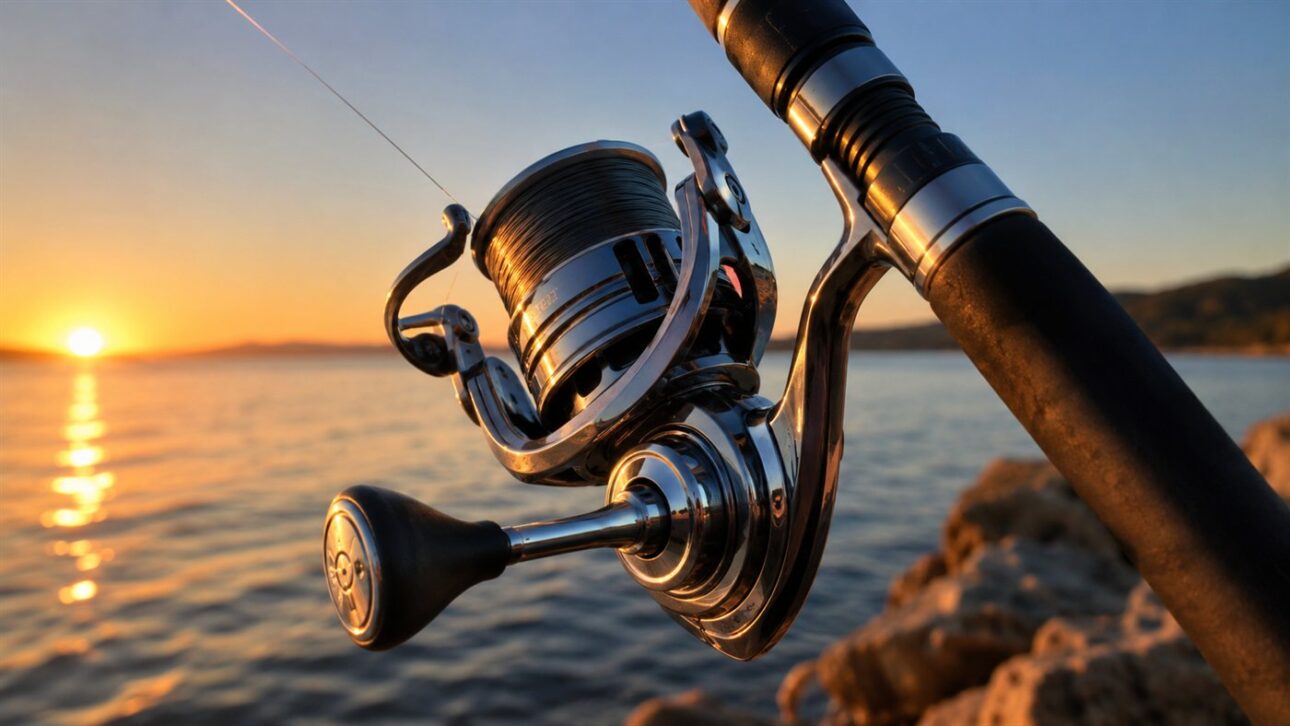
An interesting detail is the brand’s vertical reach. The same company that manufactures the inexpensive transmission for entry-level bicycles also produces the high-performance groups used by professional teams in races like the Tour de France. The price and material change, but the brand remains the same.
This creates a product ladder that accompanies the cyclist throughout their life. Those who start with a simple bike and evolve almost always stay within the same ecosystem of parts, just moving up in category. This presence across all ranges, from leisure to elite competition, is one of the reasons for the brand’s broad dominance in the world of two wheels.
The gearshift that became a global standard
The company did not win just by scale, but through inventions that changed cycling. One of the most important was integrating gear shifting with the brake on the handlebar, allowing gear changes without removing the hand from the riding position. This made cycling safer and more intuitive.
Innovations like this became a standard that the entire market began to follow. When a company defines how a basic gesture is done, it shapes the behavior of millions of cyclists, and also gains an advantage because its parts become the most compatible. The modern bicycle gear system, as we know it, carries much of the engineering from this Japanese company.
It’s not just bicycles: fishing reels
What almost no one realizes is that the same brand is also a powerhouse in a completely different world: sport fishing. The company is one of the largest manufacturers of reels and rods on the planet, and for many anglers, this name signifies quality just as much as it does for cyclists.
The logic is the same on both sides: precision engineering in mechanisms that require smoothness and durability. Making a reel spin smoothly and withstand years of use has technical kinship with making a gear system work perfectly, and the company knew how to transfer this knowledge. Thus, a brand that many people associate only with bicycles is, in fact, a giant in two markets at the same time.
A domain that pays for itself
The size of the domain helps to understand the solidity of the business. With about 70% of the components market, according to estimates from two sources that follow the sector, the company turned scale into cash: every bicycle sold worldwide with the brand’s parts feeds the research and production machine that maintains leadership.
Such numbers show that the dominance is not only technical but also financial. A sales base of this magnitude supports constant investment in research that keeps rivals behind, in a self-reinforcing cycle. The more the company sells, the more it has to invest, and the harder it becomes to catch up.
Why it is so difficult to compete with the Japanese leader
The domination raises the question: why can’t anyone dethrone the company? The answer lies in the combination of scale, research, and compatibility. Since almost all bikes already come with the brand’s parts, switching to another manufacturer usually requires changing the entire system, which deters consumers and manufacturers.
There are respected rivals, especially at the high end, but none with the full reach of the Japanese leader. It’s the kind of advantage that reinforces itself: the more people use it, the harder it becomes for a competitor to enter, because the entire market is built around one standard. This virtuous circle has sustained the dominance for decades.
Why cyclists depend on a Japanese brand
In the end, the story of this manufacturer shows how an object as democratic as the bicycle hides an impressive industrial concentration. The simple act of changing gears, repeated by billions of people, almost always involves the engineering of a single company born in Japan over a century ago.
There is nothing wrong with that, but it is revealing of how the world depends on a few hidden giants even in the most common things. The next time you change gears while climbing a hill, take note of the name engraved on the part. Did you imagine that almost every medium and high-standard bicycle in the world depends on the same manufacturer?