Portuguese
  Spanish


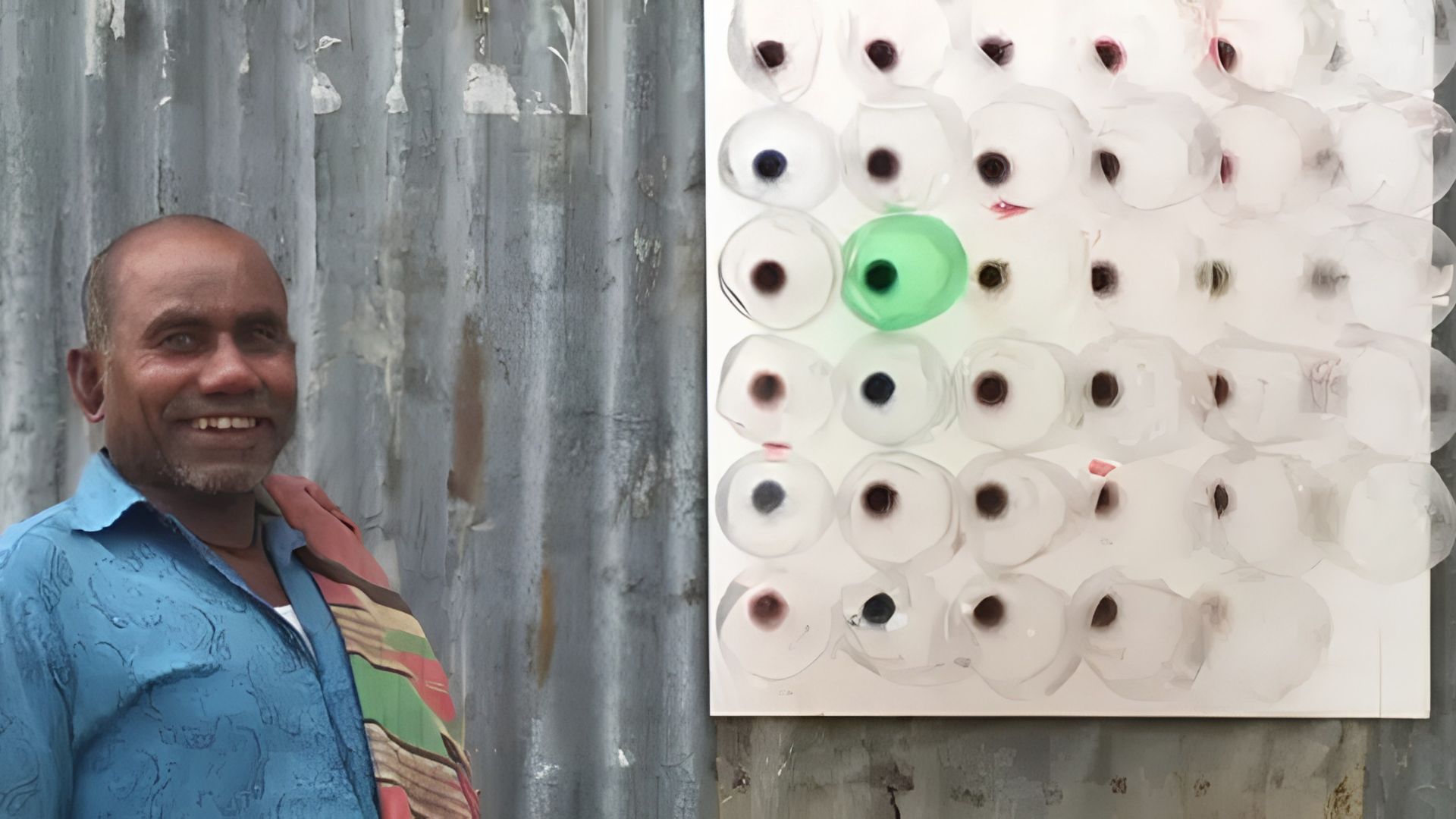

Eco-Cooler in Bangladesh uses recycled PET bottles to relieve heat without electricity in metal houses, but scientific tests urge caution.
In Bangladesh, where summer heat can reach 45 °C in rural areas, a project called Eco-Cooler has gained attention for using recycled PET bottles to try to relieve heat in houses without fans, air conditioning, and a reliable electrical grid. The solution was designed for windows of simple dwellings, many of them made of corrugated metal sheets, a material that heats up quickly under strong sunlight.
The system became known for working without a motor, compressor, or plug. Instead, it uses natural wind, cut bottles, and a board adapted to the size of the window opening. The proposal was born as a low-cost response for communities exposed to extreme heat and energy poverty.
How the Eco-Cooler made of recycled PET bottles works in windows of hot houses without electricity
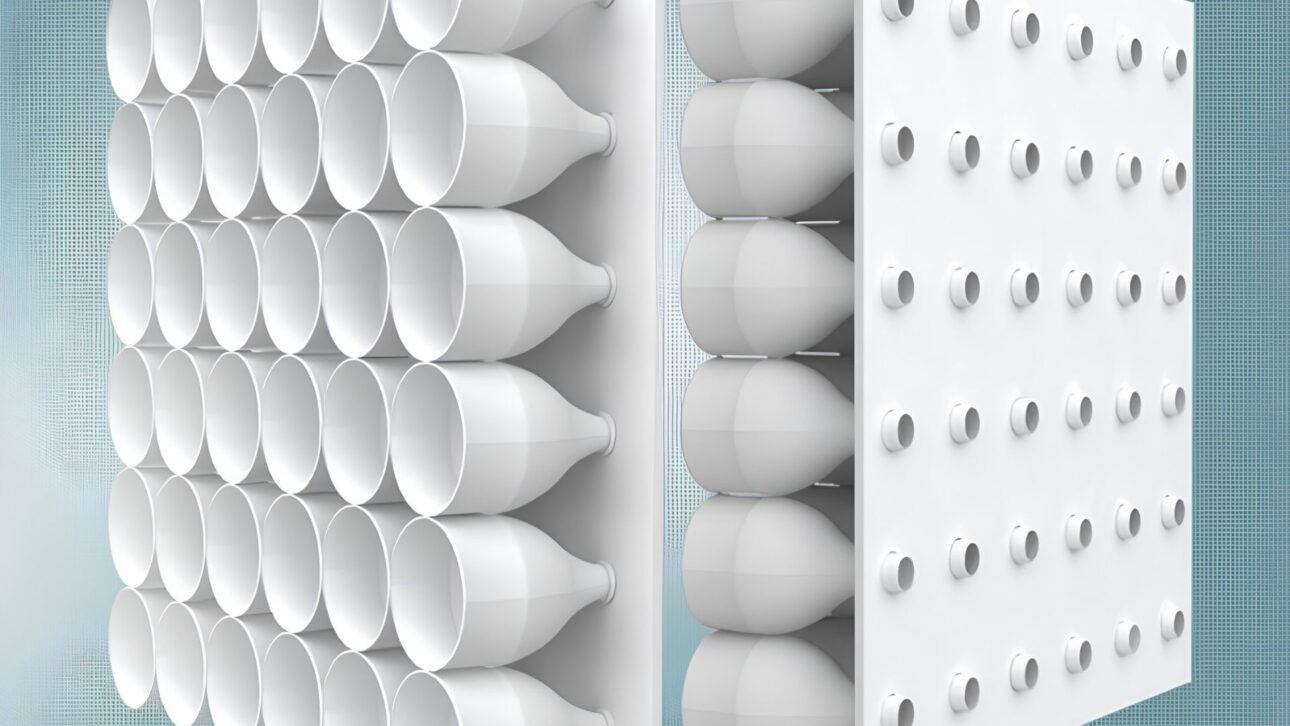
The Eco-Cooler is assembled with used plastic bottles cut in half and fitted into a perforated board. The wider part faces outside the house, while the neck points inward, directing the airflow into the interior.
-
Over 70 Experts Join Global Project to Monitor Giant Asteroid Apophis, Visible to the Naked Eye During 2029 Earth Approach; Introducing Asteroids2029 Initiative

-
Brazil’s Santa Catarina Dumps 800,000 Tons of Sand in $53 Million Coastal Project, But Seawater Returns in Less Than Two Months

-
Japanese Manufacturer Dominates Global Bicycle Gear and Brake Market, Supplying 70% of Mid to High-End Bikes, Including Tour de France Winners

-
German Startup Raises €8 Million to Build Robot for 24/7 Harvesting of Tomatoes, Cucumbers, and Peppers Without Human Labor


In the project documentation released by ideassonline, the creators explain that as the air enters through the wide part and passes through the narrow neck, it undergoes a change in pressure and speed. This effect was presented as the basis of the cooling perceived inside the dwellings.


The logic described by the project is similar to the sensation of cooler air when blowing with pursed lips. Therefore, the solution gained fame as a type of passive ventilation with PET bottles, aimed at environments where conventional air conditioning equipment is not viable.
Eco-Cooler project in Bangladesh was born to tackle extreme heat in metal sheet houses
According to the report published by IDEASS, the project was developed by Grey Dhaka and began to be installed in collaboration with volunteers from Grameen Intel Social Business Ltd. in villages in Bangladesh starting in 2016. The proposal was to make homes more livable during periods of intense heat.
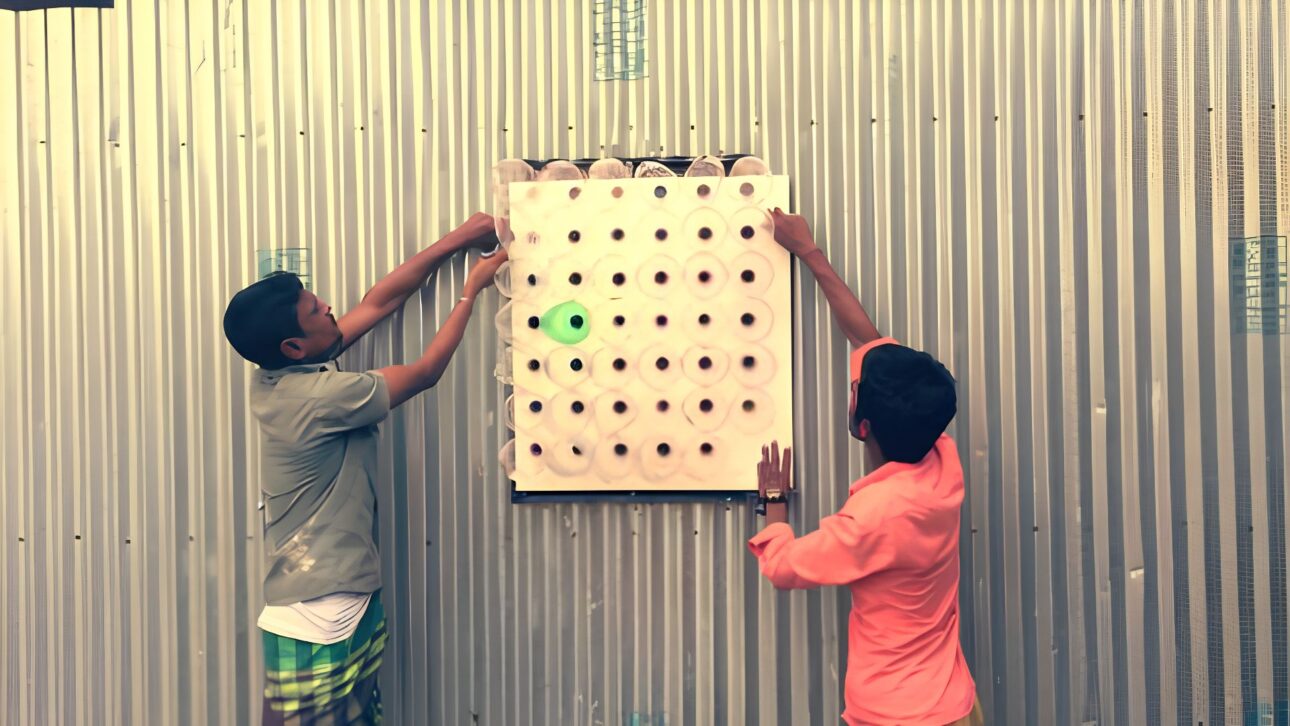
The same documentation states that the country faced, in that context, temperatures of up to 45 °C in the summer and that a large part of the rural population lived in places where stable electricity was not an option. Tech Xplore highlighted that many of these homes were made of corrugated zinc tiles and sheets, a structure that intensifies thermal discomfort.
The Eco-Cooler did not promise luxury or conventional air conditioning, but a simple alternative to reduce thermal suffering in homes that, under strong sun, function almost like metal greenhouses.
Recycled PET bottles and cheap materials made the Eco-Cooler a frugal low-cost technology
After the initial tests, the creators put the Eco-Cooler designs online for free download. The intention was to allow communities to replicate the solution with cheap, repurposed materials that are easy to find locally.
The assembly was designed to use discarded PET bottles, a rigid board cut to the shape of the window, and simple tools. This helped transform plastic waste into an improvised piece of home infrastructure, with both environmental and social appeal.
In a study published in 2024 by the journal npj Climate Action, from Nature, the Eco-Cooler is described as an example of frugal innovation, precisely because it combines low cost, accessible materials, and adaptation to contexts with few resources.
Promise to reduce up to 5 °C helped the project go viral, but recent scientific tests urge caution
The original promotion of the project claimed that the system had the capacity to reduce the temperature by up to 5 °C. This number appears both in the IDEASS sheet and in journalistic coverage from the time, always as performance associated with the proposal presented by the creators.
But the most recent scientific evaluation brought an important contrast. The study published by Nature tested seven models of the Eco-Cooler in controlled conditions simulating the climate of Bangladesh and concluded that there was no significant temperature reduction, except in low wind situations, where the drop reached up to 0.2 °C.

This does not erase the social relevance of the project, but it changes how it needs to be described. Instead of treating the Eco-Cooler as a universal cooling solution, the strongest evidence today indicates that it should be viewed with caution, more as an attempt at low-cost passive ventilation rather than a real substitute for air conditioning systems.
Eco-Cooler became a symbol of low-cost climate adaptation, despite performance limitations
The strength of the Eco-Cooler lies in the combination of simplicity, plastic recycling, and a local response to an urgent problem. In regions where extreme heat is compounded by precarious housing and lack of electricity, improvised solutions often gain ground precisely because access to better alternatives is limited.
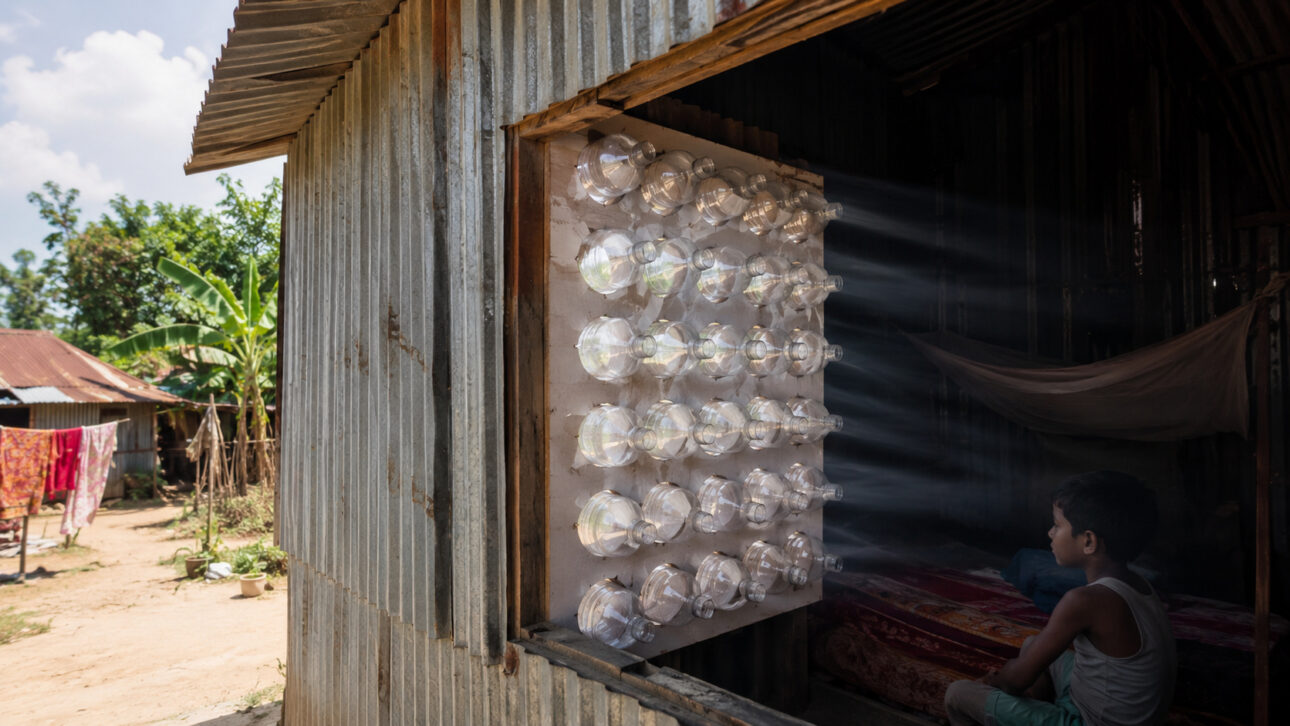
This is what transformed the Bangladesh project into an international reference. The idea of using repurposed PET bottles to improve air circulation in poor metal houses garnered global attention because it combined climate, energy poverty, and technical creativity in one story.
Even with the limitations pointed out by more recent scientific tests, the Eco-Cooler remains relevant as a portrait of domestic engineering aimed at thermal survival. In Bangladesh, what would have been trash became a practical, cheap, and symbolic response to heat that, in many homes, remains almost unbearable.