






 Portuguese
  Spanish


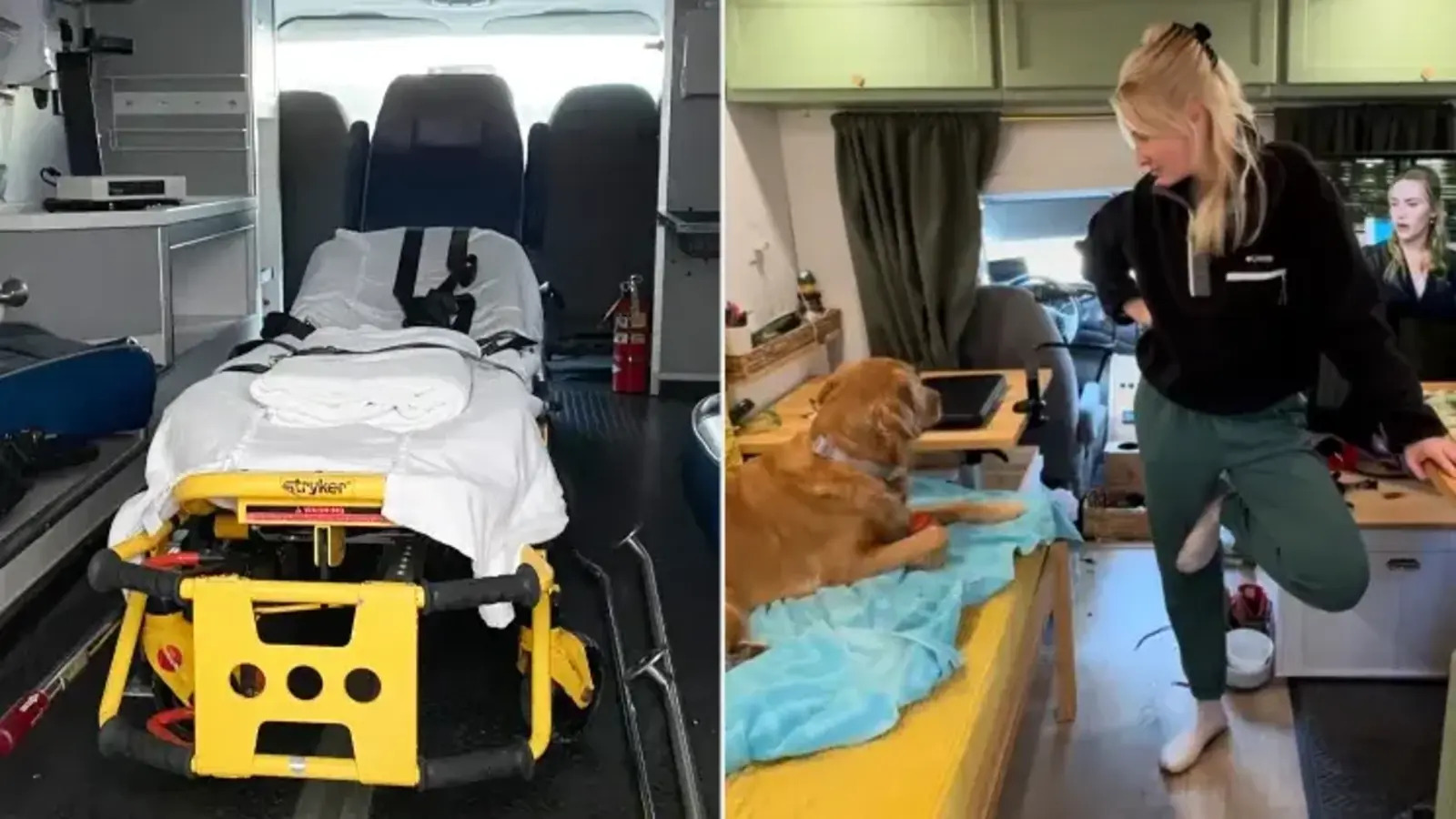
Samantha Houle bought the vehicle for US$ 7 thousand, converted it with her father, and created a home with a kitchen, solar energy, and structure to balance travel, remote work, and extended stays across the country
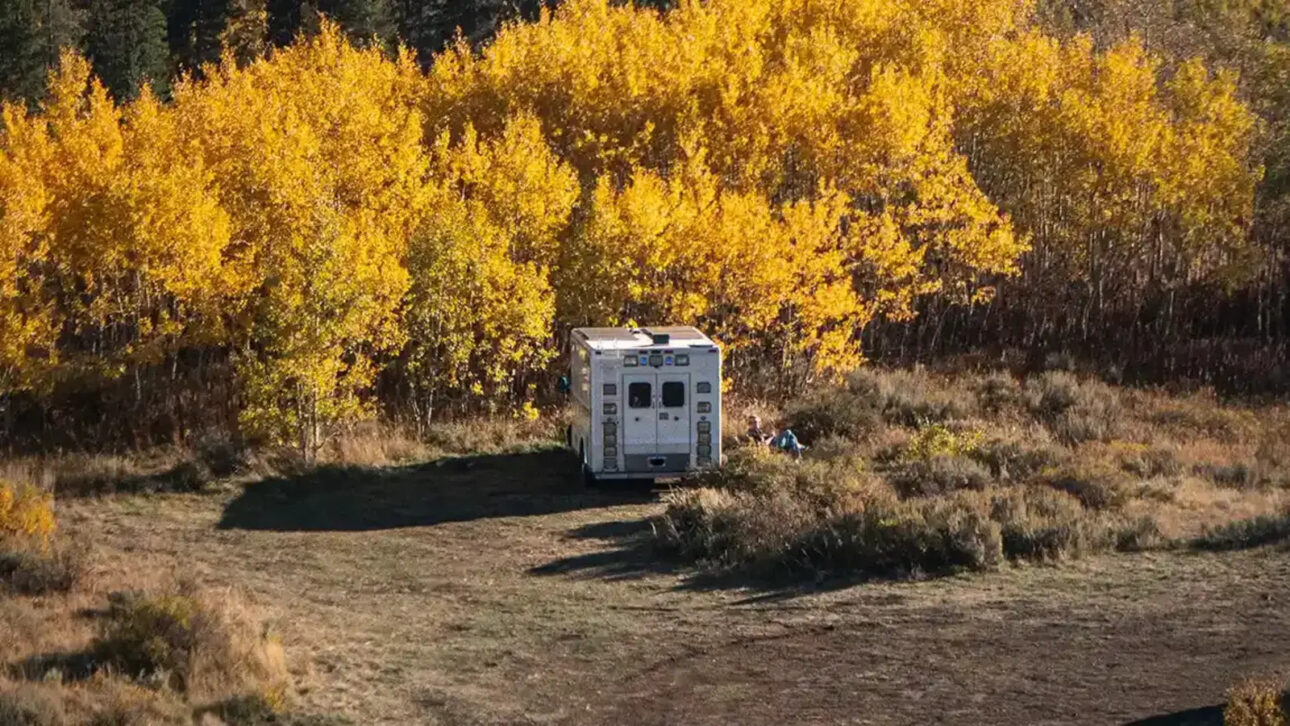
At 32, Samantha Houle spends part of the year in an ambulance transformed into a home, built with her father’s help for US$ 25,994.41. The vehicle includes a kitchen, solar energy, and a structure for travel, allowing her to work remotely while traveling across the United States and alternating stays between campgrounds, friends’ houses, and rented properties.
Known on Instagram as @somewhere_in_between_, where she has 145 thousand followers, Houle works as a customer success manager and maintains a full-time job.
The mobile setup allows her to balance professional meetings, travel, and extended periods in different regions of the country.
-
Oil Company Robots Discover 3,300-Year-Old Canaanite Shipwreck in the Mediterranean, Proving Ancient Mariners Navigated Open Seas by Stars Long Before Historians Thought

-
Facing high rent costs in Brazil, couple swaps apartment for life on a sailboat, reducing expenses significantly.

-
Avoiding the rental cycle, 26-year-old transforms school bus into a solar-powered mobile home for road living, spending up to $35,000 on renovations.
-
Survivor of 1966 SS Daniel J. Morrell Shipwreck in Lake Huron Recounts 38-Hour Ordeal in Extreme Cold


Ambulance transformed into a home started as a family project
The idea emerged about four years ago, when Houle was 28. She and her father were considering converting a vehicle into a livable space, but initially researched minivans and regular vans.
The opportunity appeared on Facebook Marketplace. An ambulance was for sale about 1 mile from Houle’s residence in Wisconsin. After visiting and evaluating the vehicle, she decided to buy it the next day for US$ 7,000.
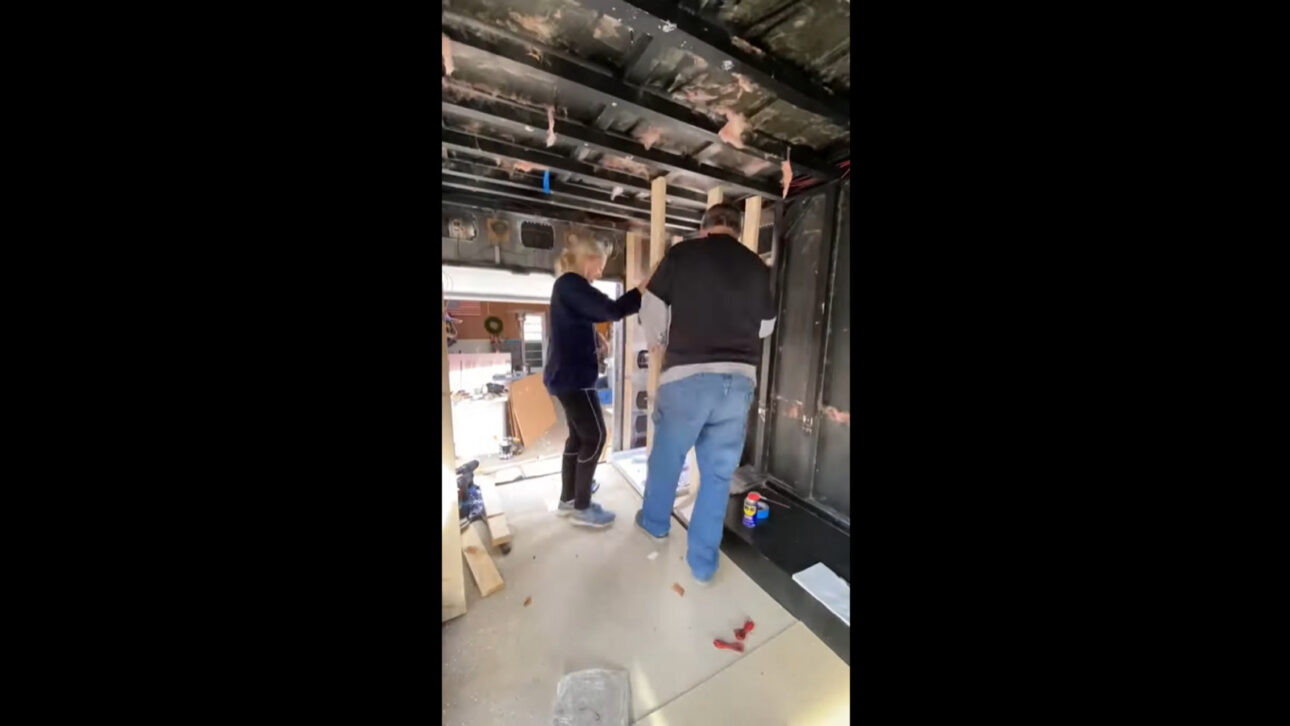
Although she made the purchase alone, the entire transformation was conducted alongside her father. Houle describes him as skilled and experienced in home renovations, including work previously done on the family’s own residence.
The duo had to balance the project with their professional routines. At the time, Houle held two jobs, so the work was mainly done during evenings and weekends.
The vehicle still retained the original ambulance equipment, including the stretcher. Before dismantling it, father and daughter analyzed which components could be repurposed and what functions each structure originally served.
Wires, solar panels, and plumbing increased the cost
The electrical part was one of the most complicated stages. According to Houle, several boxes were filled just with the wires removed from the vehicle, which required planning to reorganize the system and adapt it to the new use.
The final cost of the ambulance transformed into a house came to exactly US$ 25,994.41. The amount was detailed by Houle in a video posted on her Instagram profile.
Besides the US$ 7,000 paid for the vehicle, approximately US$ 3,000 were allocated to replacing items like the air compressor. The electrical installation, accompanied by the solar panels, cost US$ 2,942.20.
The largest portion of the expenses, US$ 10,310.12, involved materials and systems used in the conversion. The list included wood, nuts, bolts, walls, flooring, insulation, and plumbing structure.
The budget does not consider labor costs, as Houle and her father did all the work. She emphasizes that this cost would need to be included by anyone hiring professionals to execute a similar project.
Even trying to control expenses, Houle decided not to skimp on equipment considered important for safety and routine, such as a gas oven, stove, and refrigerator.
Specific parts can generate unexpected expenses
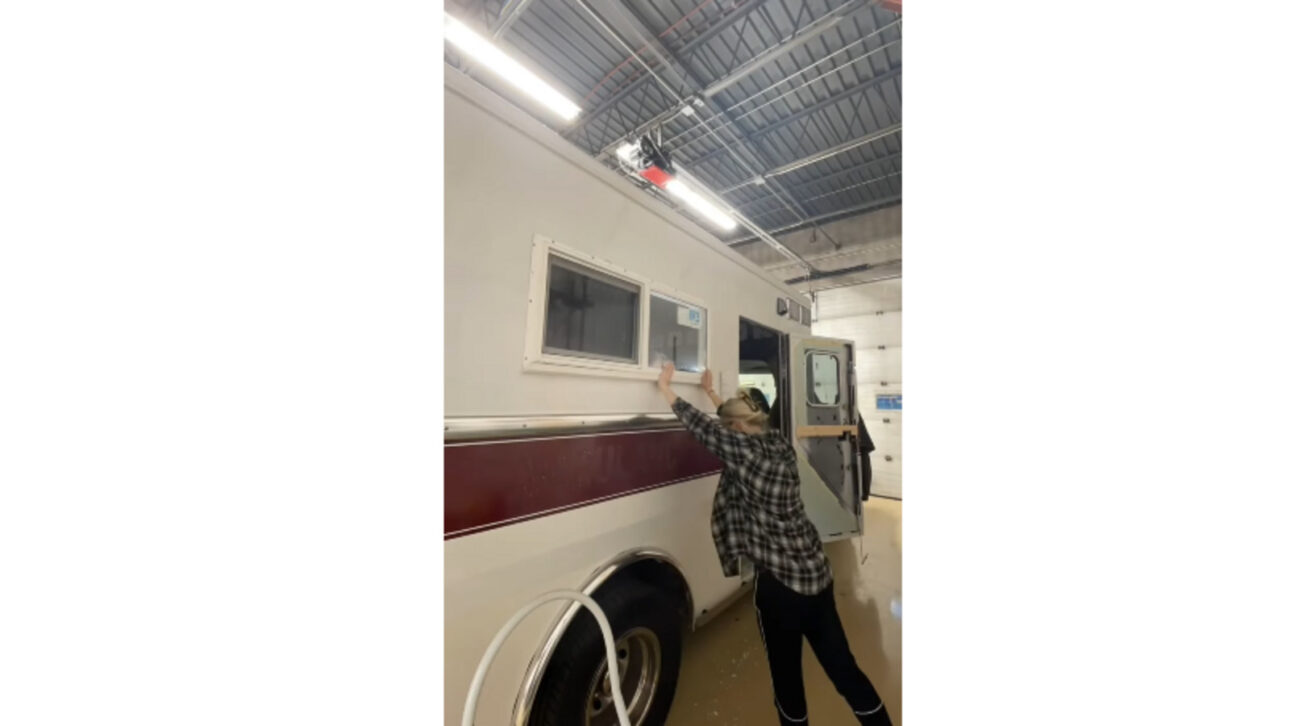
After the construction, the owner began to face a common problem in very specific vehicles: practically nothing has a standard size. This reduces the availability of compatible accessories and makes some replacements more expensive.
A broken handle, for example, had to be ordered from a company specialized in ambulances. Just the part cost about US$ 100.
Houle states that these small costs usually appear when the project is already in use. Unlike traditional vans, which have standardized parts and accessories, the ambulance requires unique solutions in various areas.
She acknowledges that she could save more by living in the vehicle. However, frequent travel generates expenses, while staying longer in the same place makes it easier to reduce costs.
Remote work guarantees freedom to travel
Houle’s routine combines travel, remote work, and temporary stays. She has lived for months on end in the ambulance but also rents properties through Airbnb when she wants to maintain a base for a certain period.
During her travels, she parks at campgrounds or in friends’ backyards. When she needs to attend meetings, she can pause the journey in places with a more stable internet signal.
Last summer, she traveled the West Coast of the United States with her father. They visited Glacier National Park, Yellowstone, and Grand Teton National Park.
The warmer months are considered more suitable for the experience. Houle avoids spending winters in the ambulance whenever possible, although she considers the structure comfortable enough for full-time living.
When not accompanied by her father, she travels with Luna, her three-year-old golden retriever. For Houle, the main advantage is being able to change locations easily, taking a full kitchen and other necessary resources to stay longer at each destination.
The project has become so integrated into her life that she often jokes about buying another ambulance and repeating the conversion with her father.
This article was prepared based on information from PEOPLE magazine and data released by Samantha Houle on her Instagram profile, with numbers and statements preserved as per the consulted material.


Be the first to react!