Portuguese
  Spanish


Discover How BRF Modernizes Its Agricultural Production with Solar Energy, Reducing Costs and Promoting Sustainability in the Sector.
In recent years, agricultural production with solar energy has been gaining prominence in Brazil, transforming the way companies deal with costs, sustainability, and efficiency.
Moreover, BRF, one of the largest food companies in the country, has become a reference by incorporating solar systems into its production chain.
The company promotes a significant reduction in electricity expenses and contributes to the decarbonization of the sector.
-
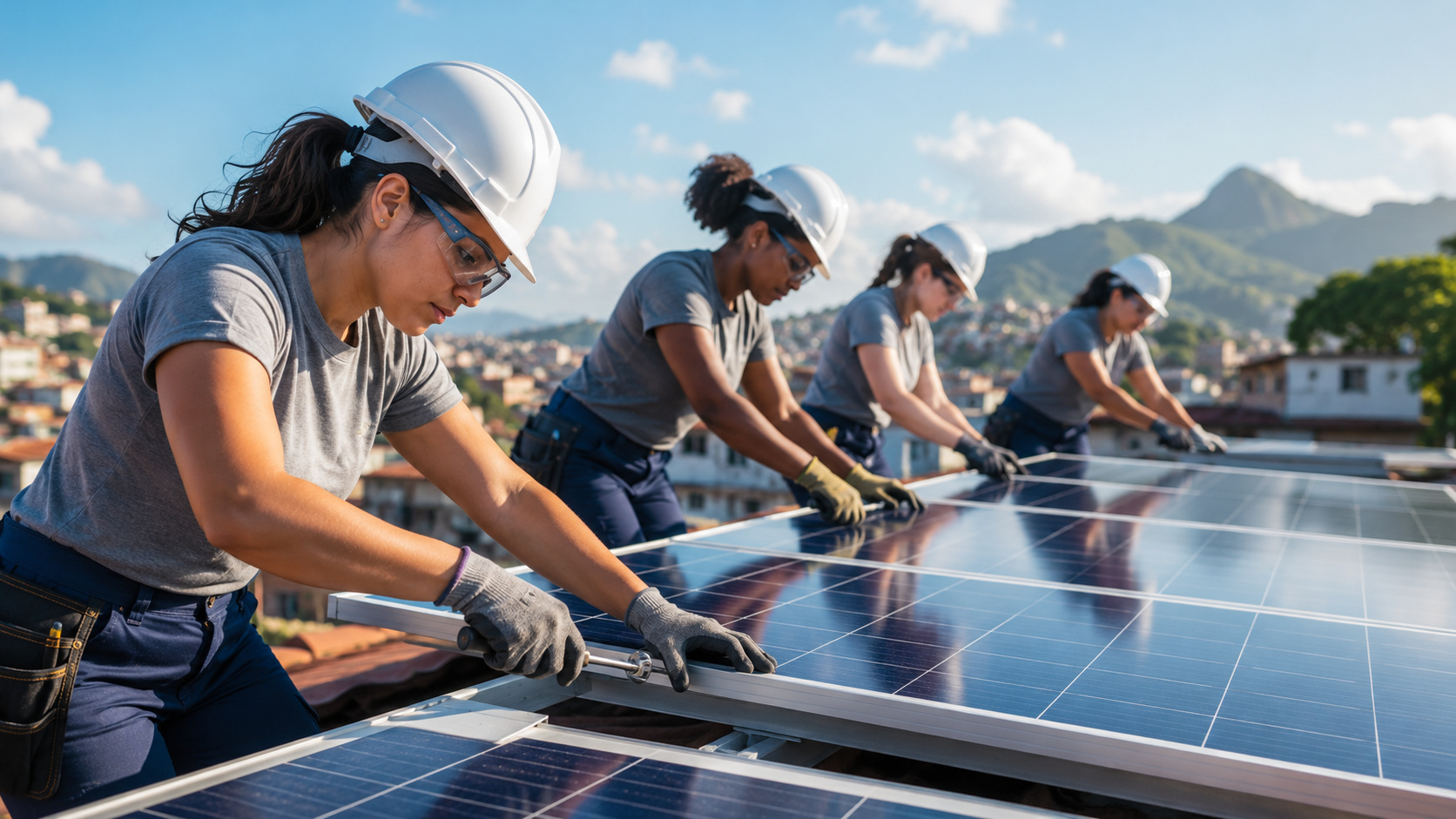
Solar energy can increase property value by up to 10% and become a selling point.

-
Solar and wind energy surpass natural gas for the first time in the world and accelerate energy revolution

-
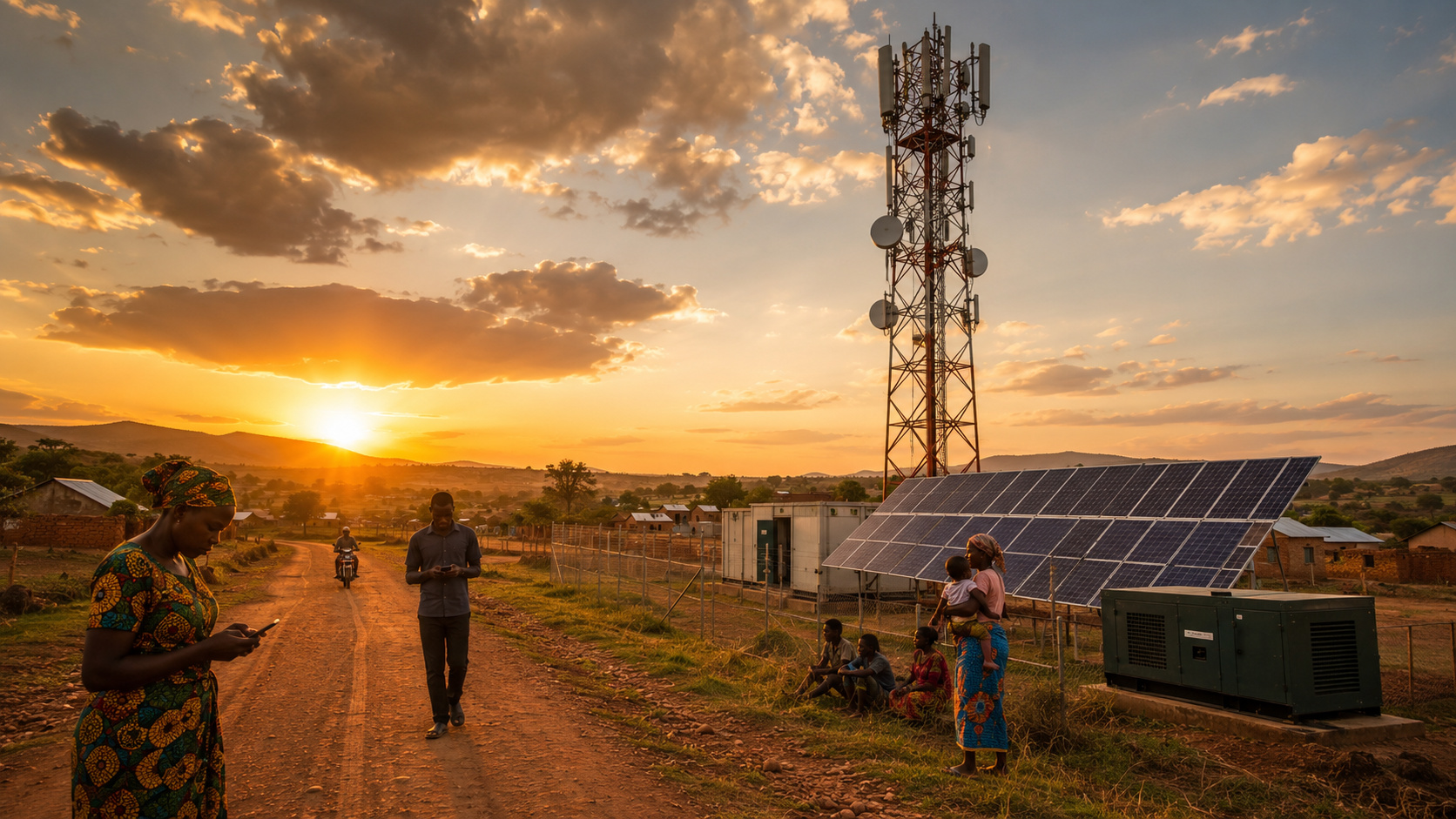
Africa has about 500,000 cell towers and most still burn diesel to operate, while companies rush to cover antennas with solar energy and avoid signal blackouts.
-
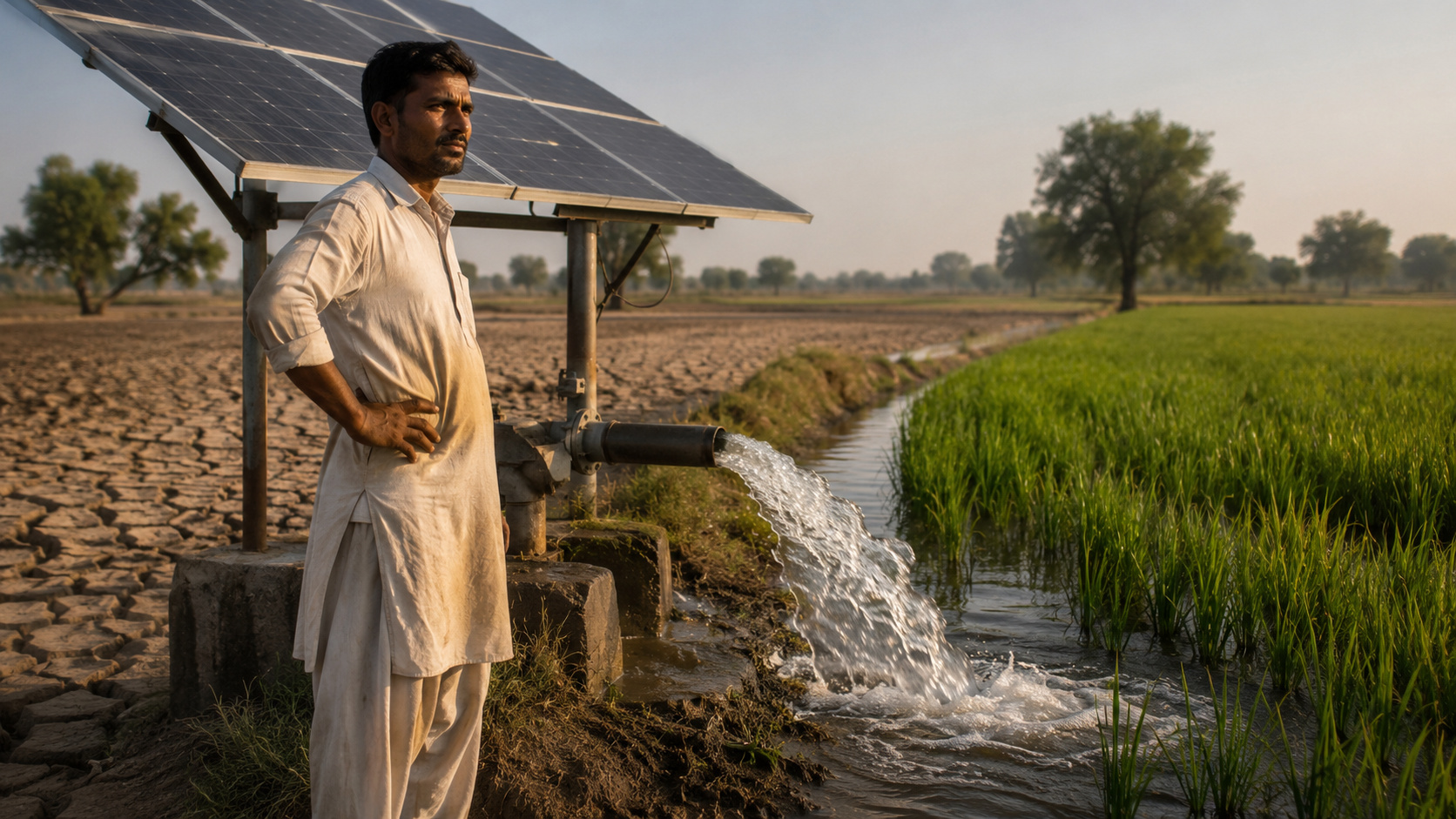
Farmers swapped diesel for solar panels in Pakistan, powered irrigation pumps almost cost-free, expanded rice fields, and now groundwater has become a red alert in the countryside.


Historically, Brazilian agricultural production has always faced challenges related to energy consumption.
For example, since the days of rural modernization, when the electrification of agricultural areas began to expand, producers faced high electricity costs to maintain farms, hatcheries, slaughterhouses, and distribution centers.
In this context, the adoption of renewable energy sources represents an important step not just for reducing expenses, but also for environmental sustainability, a central theme in recent decades.
Additionally, the growth of the Brazilian agricultural sector has increased the demand for more efficient energy solutions.
Consequently, the expansion of the production of poultry, swine, and other animal products has required investments in infrastructure, storage, and refrigeration.
This has made electricity one of the most significant costs for producers.
Therefore, solar energy emerges as a strategic alternative, capable of reducing expenses and ensuring greater financial predictability.
Growth of Solar Energy in BRF’s Production Chain
Indeed, BRF has made significant progress in this area.
Currently, 66% of the company’s poultry and swine receive solar energy, a considerable jump from the 49% recorded in 2023.
Thus, this growth demonstrates not only the potential of the technology but also the company’s commitment to modernizing its production sustainably.
Furthermore, around four thousand integrated producers, located in seven Brazilian states and Turkey, have already installed solar systems.
They generate an average savings of 95% on electricity costs.
Consequently, these numbers verify the positive economic and environmental impact of solar energy in the agricultural chain.
The advancement is even more evident when observing the specific production of different segments.
For instance, in poultry production, the share of solar energy increased from 58% to 68%, while in turkey production it rose from 64% to 73%.
Similarly, in swine farming, a sector traditionally more energy-intensive, the growth was remarkable, rising from 28% in 2023 to 51% in 2024.
Thus, these data show how the adoption of solar energy in agricultural production generates consistent gains in operational efficiency and market competitiveness.
Besides the financial impact, the adoption of solar systems has brought benefits in operational management.
With more stable and accessible energy, producers can optimize processes, reduce waste, and improve distribution logistics.
Therefore, this multiplier effect reinforces the role of solar energy as a central element in the modernization of Brazilian agriculture.
Financial Incentives and Installed Capacity
One of the factors that drove this transition was undoubtedly the partnership with Banco do Brasil.
The bank released R$ 200 million in credit at reduced rates to finance the installation of solar systems by producers.
Consequently, this type of financial initiative demonstrates the importance of incentive policies and specific credit lines to enable renewable energy projects in the agricultural sector.
Additionally, the capacity installed by BRF supports a city of 230,000 inhabitants.
This shows that the energy generated not only sustains productive operations but also positively impacts local communities.
Thus, this scenario highlights how private companies, by adopting sustainable practices, strengthen regional development, create jobs, and stimulate the local economy.
Reduction of Emissions and Environmental Commitment
In addition to economic benefits, the adoption of solar energy directly reduces greenhouse gas emissions, a global challenge that affects all productive sectors.
In 2025, BRF achieved validation of its decarbonization targets by the Science Based Targets initiative (SBTi), consolidating its commitment to more sustainable practices.
The company plans to cut, by 2032, 51% of direct emissions (scopes 1 and 2), which include factories, distribution centers, and energy consumption in its own operations.
Additionally, it aims to reduce 35.7% of indirect emissions (scope 3), which account for about 98% of the total and encompass the entire value chain.
Therefore, this effort shows how solar energy applied to agricultural production acts as a strategic tool to mitigate environmental impacts.
Indeed, these actions reinforce the role of the private sector in the fight against climate change.
Thus, by reducing emissions and investing in renewable sources, companies like BRF demonstrate that it is possible to combine economic competitiveness and environmental responsibility.
In this way, they create a model replicable by other agribusiness actors.
Historical Context and Technological Innovation
The move towards solar energy in agriculture is also connected to a broad historical context.
Since the beginning of the 21st century, Brazil has expanded its commitment to clean energy sources, driven by public policies, tax incentives, and technological advances.
Furthermore, the drop in solar panel prices and the improvement of photovoltaic systems’ efficiency have made large-scale adoption feasible, especially in energy-intensive activities like poultry and swine farming.
Another relevant point is the cultural transformation among integrated producers, who have come to see solar energy not just as an alternative for savings, but as a competitive differentiator and a strategy for environmental responsibility.
Thus, this behavior reflects a historical change, whereby Brazilian producers are increasingly aware of sustainability, innovation, and energy efficiency.
Additionally, the integration of digital technologies, such as energy monitoring and management software, enhances the benefits of solar energy.
It allows producers to monitor consumption in real-time and adjust processes to maximize savings and efficiency.
Thus, this technological advancement illustrates how agricultural production with solar energy is becoming increasingly strategic.
Energy Security and Sustainability
Solar energy also contributes to the energy security of operations.
With their own systems, producers depend less on the conventional electricity grid, reducing risks associated with disruptions in supply and price fluctuations.
This aspect becomes essential in regions where energy supply can be unstable or costly, ensuring greater predictability and stability for production planning.
Therefore, BRF’s experience demonstrates that agricultural production with solar energy goes beyond a one-time initiative; it is a long-term strategy that combines economic efficiency, environmental responsibility, and technological innovation.
Furthermore, the adoption of renewable sources strengthens the resilience of operations and prepares the sector for future challenges, including more stringent environmental regulations and the growing demand for sustainable food.
The Future of Agricultural Production with Solar Energy
In summary, BRF’s trajectory highlights that the integration of solar energy into agricultural production represents a structural change in the sector.
Historically marked by high energy consumption and dependence on traditional sources, Brazilian agribusiness is experiencing a significant transformation, driven by technology, financial incentives, and a growing awareness of sustainability.
The future of agricultural production with solar energy looks promising, especially in a country like Brazil, which has high solar potential and a robust agricultural sector.
Therefore, BRF’s example shows that, with planning, strategic investments, and support from public policies, it is possible to transform the production chain, making it more sustainable, economical, and resilient.
Thus, this trajectory benefits the company, its integrated producers, and contributes to the development of a more conscious agriculture aligned with the global challenges of the 21st century.