






 Portuguese
  Spanish


BRICS+ Now Brings Together About 11 Countries With Oil, Gas, and Billions of People; Expansion With Indonesia and Emirates and Rumors About Canada Increase Pressure on the Dollar.
The world is moving toward an economic reorganization that seemed unlikely a few years ago. The BRICS group, created in 2009 with Brazil, Russia, India, and China — later joined by South Africa — has evolved from an acronym viewed with skepticism to a bloc that now includes nine countries following the recent wave of accessions.
The entry of United Arab Emirates, Iran, Ethiopia, and Indonesia has not only increased the population representation but also the energy power of BRICS+. Together, these countries account for over 45% of the world’s population and huge oil and gas reserves. The bloc, once considered an emerging coalition, is now positioned as a direct counterpoint to the G7 and a concrete threat to the dollar’s hegemony in international trade.
The Entry of Emirates, Ethiopia, and Indonesia: Energy and Geopolitical Reinforcement
Each new member adds a strategic component to BRICS+.
-
The Arctic is no longer just a frozen region and is becoming a new military board with the opening of maritime routes, expansion of bases, nuclear icebreakers, and competition among Russia, NATO, the United States, and China.

-
U.S. Dismisses Brazilian Foreign Ministry’s Military Risk Warning as “Absurd,” Cites Brazilian Criminal Gangs Operating in the U.S. Since May 2026
-
Ukraine War Impacts Brazilian Fuel Supply: Russian Diesel Imports Drop 65% in June, Brazil Turns to US and India Amid Market Concerns

-
Chinese Nuclear Submarine Launches Simulated Warhead Missile in Pacific, Heightening Regional Tensions Amid Naval Drills with Russia Near Qingdao; New Zealand and Papua New Guinea Warn of Persistent Chinese Military Presence



- United Arab Emirates: a Gulf power with sophisticated financial infrastructure and an oil exporter, strengthens energy weight and opens doors to greater influence in the Middle East.
- Ethiopia: the largest economy in East Africa, with nearly 130 million inhabitants, expands African penetration and reinforces the discourse of representation of the Global South.
- Indonesia: the fourth most populous country in the world, with 280 million inhabitants, brings a diversified economy and strategic weight in Southeast Asia.
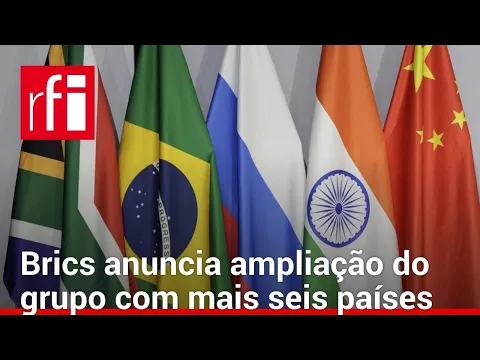

This triple movement ensures that BRICS+ has an even more widespread presence across continents, increasing its legitimacy as a counterpoint to institutions dominated by the West.
Oil, Gas, and Commodities: The Economic Arsenal of BRICS+
The new members arrive at a time when energy equates to power. BRICS+ now holds about 44% of the world’s oil reserves and a significant percentage of global natural gas production.
Combined, the countries in the bloc become not only massive consumers but also critical suppliers of resources that drive the global economy.
This energy arsenal allows BRICS+ to play more strongly in international trade, exploring contracts in local currencies and reducing dependence on dollars in billion-dollar transactions.
Rumors About Canada and the Impact on the G7
Behind the scenes, rumors are circulating about a possible approach of Canada to BRICS+. Although it is still speculation, the idea that a G7 member might, to some degree, associate with the bloc drastically changes the geopolitical landscape.
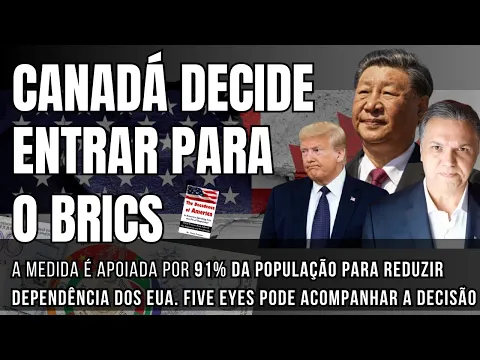
Experts say that if this hypothesis were confirmed, it would be a symbolic blow against Western unity. Canada, due to its energy relevance and proximity to the U.S., would represent a breaking point in the historical North Atlantic alliance.
Although unlikely in the short term, these rumors reveal how the growth of BRICS+ is already causing anxiety among Western leaders and raises questions about the solidity of the dollar-based economic order.
The Offensive Against the Dollar: Dedollarization in Progress
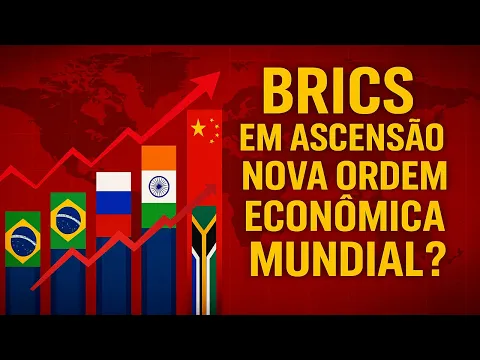
One of the central points of the new phase of BRICS+ is the search for alternatives to the dollar. Dedollarization is not just political discourse:
- 90% of trade transactions between Russia and China already occur in rubles and yuan.
- Brazil has expanded settlement agreements in yuan with Beijing, reducing the need for dollar reserves.
- India and the Emirates have been signing bilateral contracts in local currencies, especially for oil.
This movement does not immediately eliminate the dollar but creates cracks in its hegemony. As highlighted by a director from the Central Bank of Brazil in 2025, there is yet no “BRICS asset” capable of rivaling the liquidity of the dollar, but the erosion process is already underway.
Common Currency or Payment System?
There is much talk about a possible single BRICS currency backed by gold or a basket of currencies. However, experts emphasize that the creation of a new currency is a complex process that would require deep financial integration and political stability among countries with divergent interests.
What seems more realistic is the strengthening of systems like BRICS Pay, a platform aimed at integrating international payments without relying on SWIFT, which is controlled by the West. This strategy, although less flashy, is practical and is already beginning to gain traction among central banks in the bloc.
Reactions from the United States and the G7
The expansion of BRICS+ does not go unnoticed in Washington and Brussels. American authorities have already signaled additional tariffs and trade barriers for countries that openly challenge the dollar as a reserve currency.
In recent statements, former President Donald Trump even threatened tariffs of up to 100% on exports from BRICS members that attempt to abandon the dollar in international contracts. These remarks reflect U.S. discomfort with the formation of a bloc that, in theory, could reconfigure value chains and capital markets.
Experts See Slow but Inevitable Change
Economists and international analysts assess that the process of dedollarization will not happen overnight. The dollar still accounts for almost 60% of global currency reserves and dominates the financial system.
But the strength of BRICS+ lies in its ability to gradually erode this hegemony, opening space for transactions in local currencies and reducing structural dependence on the West. “What was once seen as rhetorical discourse is now being implemented in real energy and trade contracts,” say international finance experts.
The Future: Consolidated Multipolarity or Fragmentation?
The growth of BRICS+ points to a more multipolar world, where different poles of power share influence over trade, energy, and technology. The bloc still faces internal challenges, such as geopolitical disputes between India and China, as well as economic asymmetries.
However, its recent expansion demonstrates that there is global demand for alternatives to the Western model. The mere speculation about the entry of countries like Canada already reveals that the geopolitical landscape is no longer static.
Conclusion: The Historic Turn Against the Dollar
BRICS+ has ceased to be a symbolic forum to become a real instrument of economic change. With nine countries, strategic energy resources, and almost half of the world’s population, the bloc represents a force that the G7 can no longer ignore.
The offensive against the dollar, although gradual, is already underway. And the rumors about the accession of new countries — including Canada — reinforce that the struggle for hegemony is not just rhetoric: it is an ongoing battle that will define the coming decades of the global economy.







