






 Portuguese
  Spanish
  4 min of reading
  7 comments




Changes to the Traffic Code Impact App Drivers and Companies; See What Has Changed So Far and How to Avoid Fines
Who would have thought that the routine of app drivers could get even more complicated? Indeed, the city government decided to spice up the rules, and now both Uber and 99 are at the center of new traffic legislation that promises to give headaches to everyone involved in app-based transportation. With heavy fines and strict requirements, the law enacted in July 2023 brings four alerts that cannot be ignored, neither by the drivers nor by the companies. Let’s understand better what has changed and how this may affect the daily life of those who live behind the wheel, according to the website otvfoco.
Four New Alerts for App Drivers
The new legislation is not to be taken lightly and has brought four changes that every app driver needs to know. The capacity of vehicles, for example, has been increased from six to up to eight people. This change may seem like good news at first glance, but it requires drivers to be mindful of their vehicles’ conditions to ensure everyone’s safety.
Another significant change is the increase in the maximum age of vehicles, which goes from seven to ten years. This means that drivers will have a little more time to drive their cars before needing to replace them, but it also implies extra attention to maintenance, especially with the new requirement for inspections every six months for vehicles over seven years old. If you were wondering about the license plates, the requirement for vehicles to have a Palmas plate has been removed, which may ease the lives of those coming from other regions.
-
New Honda HooRide 125 scooter debuts in China with ADV styling, 17-inch wheels, TFT panel, Smart Key, and fuel consumption of up to 47.17 km/l, aiming to resemble an urban X-ADV with a 125 engine, CVT transmission, and an economical proposal for cities.

-
Volkswagen focuses on ethanol and tests a Saveiro 100% alcohol-powered with a recalibrated engine; the project may ensure tax reduction, targets corporate fleets, and revives technology that lost ground since the arrival of flex-fuel vehicles in 2003.

-
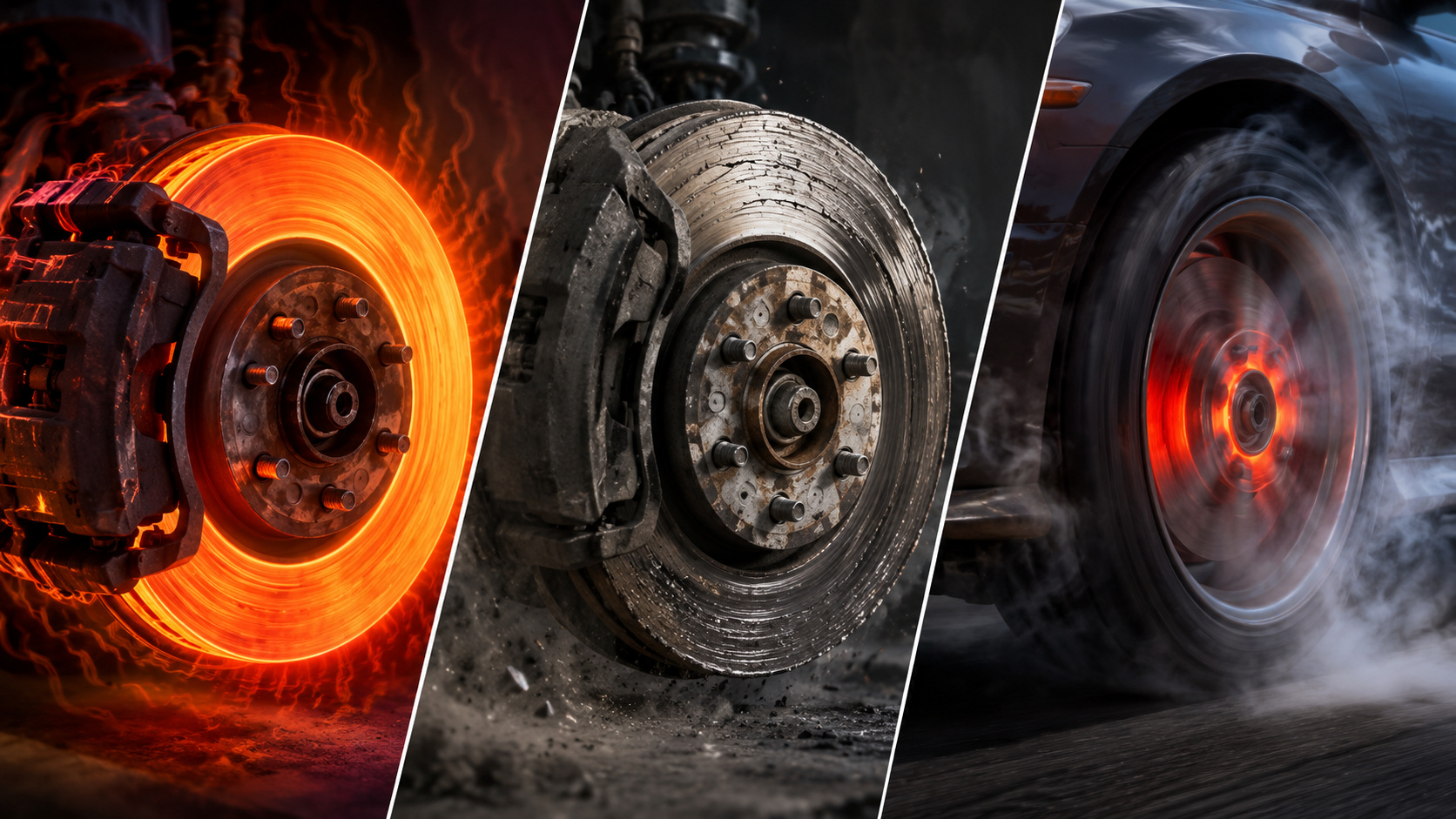
Keeping your foot lightly on the brake pedal while driving may seem harmless, but mechanics warn: this habit generates constant heat, wears out the pads too quickly, and can warp the discs, making braking expensive and dangerous.

-
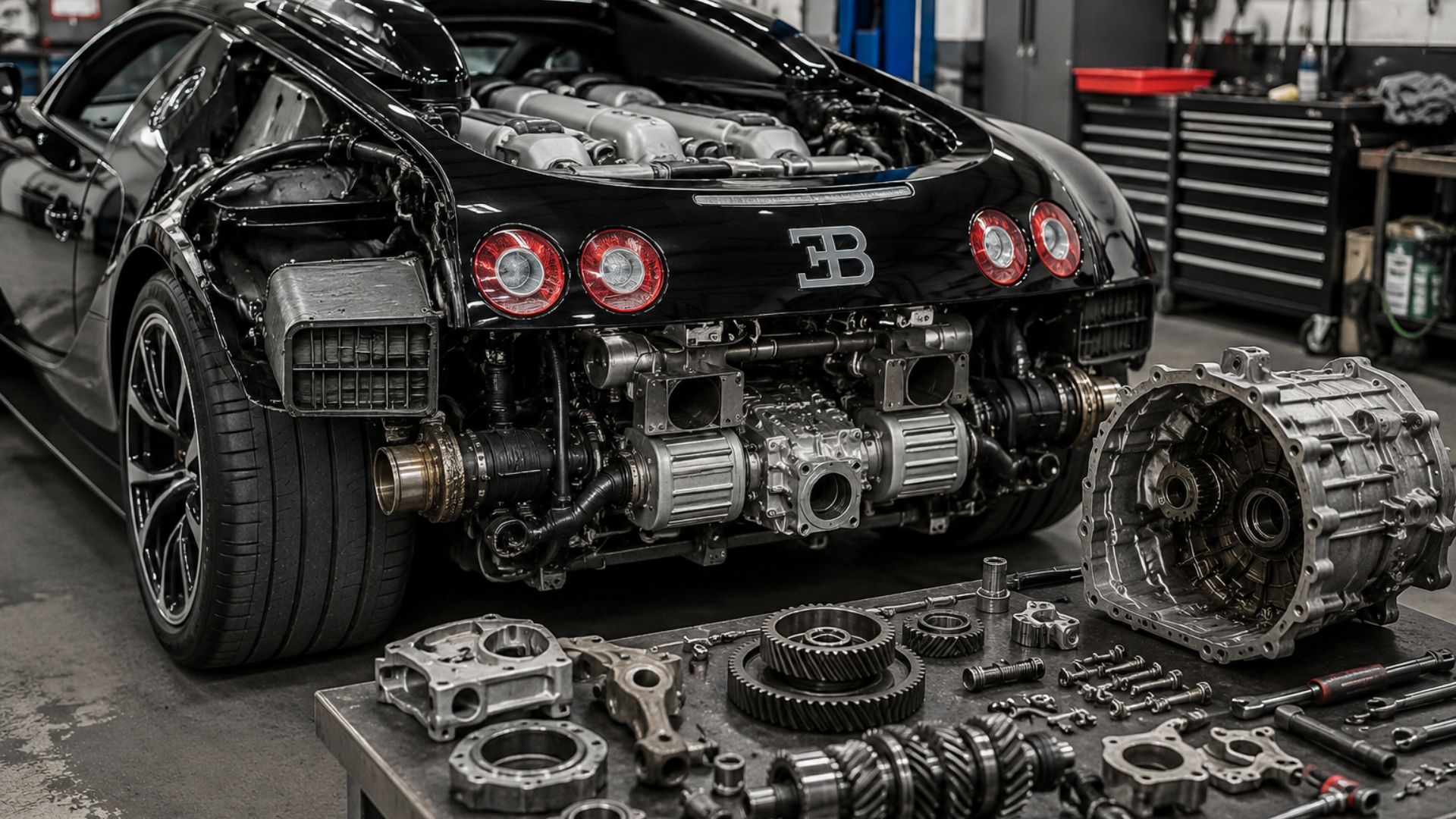
The YouTuber Mark McCann bought a Bugatti Veyron for almost $1.2 million, but discovered that the supercar’s gearbox is so damaged that even Bugatti itself won’t accept to repair it, and the repair could cost a fortune.


Heavy Fines and Consequences for Companies and Drivers
Now, let’s talk about the “salty” part of this new law: the fines. If a company like Uber or 99 fails to meet the requirements, the penalties can be quite severe. The fines range from R$ 2.1 thousand to R$ 12.6 thousand for the companies, while drivers may face fines between R$ 210 and R$ 420. Furthermore, in more severe cases, drivers may have their vehicles seized and their documents confiscated.
This new legislation also reinforces the requirement for a specific driver’s license for passenger transport, a proper training course, and various negative certifications, as well as insurance that covers accidents involving passengers. In other words, the lives of app drivers are far from getting easier, and any slip-up can be costly.
The Impact on Uber and 99 Operations
The app-based transportation companies, such as Uber and 99, will have to adapt quickly to the new rules to avoid problems. One of the main requirements is the mandatory registration with the Regulatory Agency for Public Services in Palmas (ARP), which, if not fulfilled, can result in heavy fines. In addition, the Operational Management Fee (TGO), set at 25 Ufips per vehicle, is the responsibility of the companies, which need to ensure monthly payment for each car providing service.
This new regulation may force the companies to rethink their operational strategies in Palmas, especially concerning costs and the management of drivers. After all, failing to comply with these rules can not only harm the companies’ image but also directly impact the income of drivers who already face tight margins for profit.
What to Expect for the Future of App Drivers
With all these new rules, it’s natural for app drivers to be worried. The truth is that the landscape of app-based transportation is constantly changing, and drivers need to stay alert to new regulations to avoid unpleasant surprises. If you are a driver for Uber or 99 in Palmas, it’s worth keeping an eye on the updates to the legislation and ensuring all requirements are being met.
In the end, the new law may pose a significant challenge, but it can also be seen as an opportunity to stand out in providing a more safe and regulated service. So, stay vigilant about the rules, keep maintenance up to date, and be prepared to deal with possible changes that may arise in the future.
Therefore, the new traffic legislation in Palmas has brought a set of challenges for app drivers and companies like Uber and 99, highlighting the importance of staying updated and prepared for market demands. With significant fines and new requirements, adaptation will be essential for continuing to operate efficiently and safely in the region.




Como sempre a prefeitura só ferra as pessoas que querem trabalhar, na verdade preferem as pessoas roubando.
O Brasil é o país da canetada! Eu pego passageiros que estão na faixa de onibus, querem parar em fila dupla ou tripla, e levamos multas absurdas, pois onibus são em menor número do que motoristas de aplicativos. Acho que a prefeitura quer ganhar dinheiro em vez de ajudar o povo!
Materia sem fundamento, principalmente porque não trouxe a fonte da informação quem aprovou essa lei, quando por quem foi promulgada, pelo que eu saiba estados nao podem legislar sobre materia de trânsito