






 Portuguese
  Spanish


Chinese BYD Confirms Rumors Of Partnership With Billionaire’s Electric Car Company And Will Supply LFP Batteries To Tesla
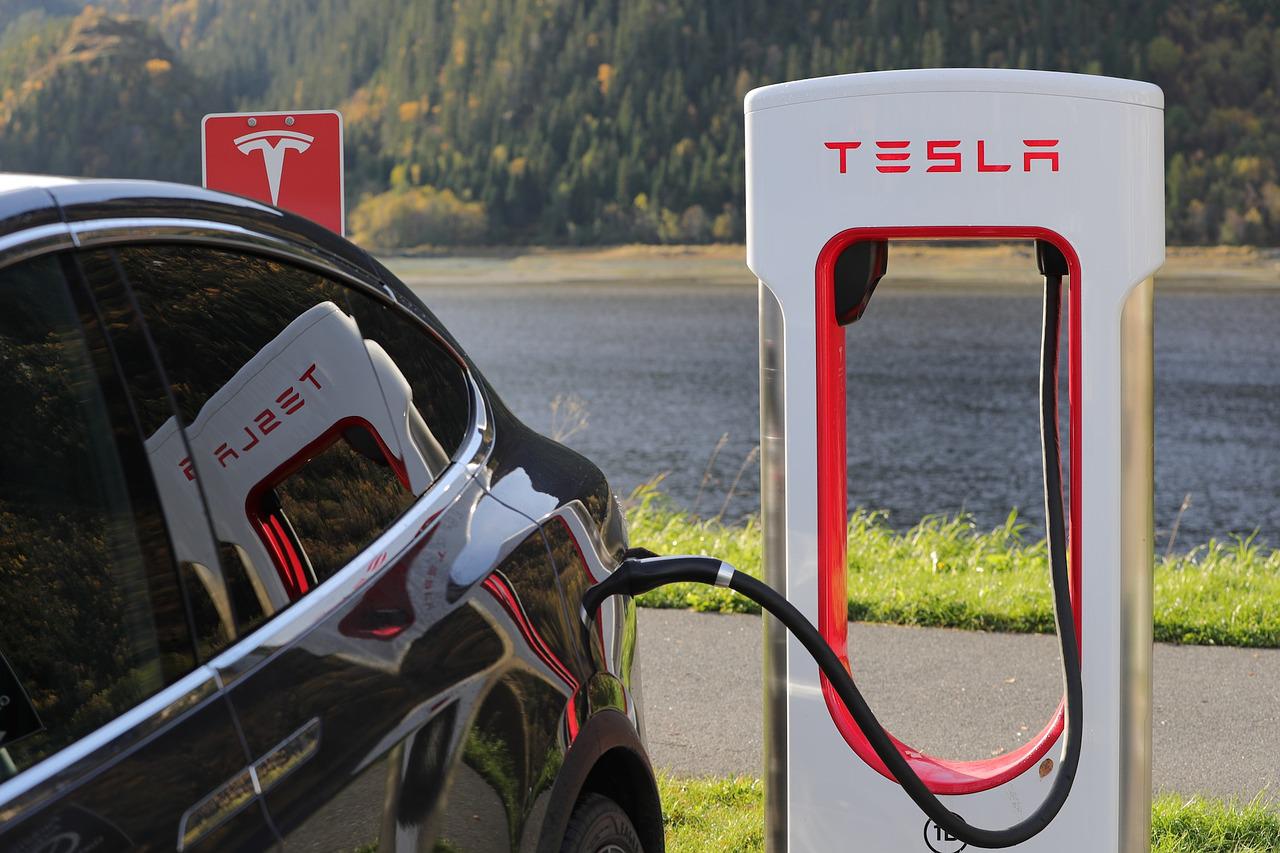
On June 8th, it was reported by Reuters that the Chinese automotive giant, BYD, is certain that it will supply batteries to the billionaire Elon Musk, who is also interested in offering internet on flights in Brazil. Confirming the rumor that had been circulating last year, an executive from BYD stated that the agreement between the two brands relates to the supply of batteries made from LFP composition, that is, lithium iron phosphate, for Tesla’s electric cars.
BYD’s LFP batteries have a characteristic CTP (Cell to Pack) format, which is module-free and composed of a matrix of narrow cells (ranging in length from 0.6 to 2.5 meters) that are inserted into a structure that allows for optimization of use and space, thus increasing volume density by 30%.
In this way, the batteries in question are increasingly present not only in Tesla’s electric cars but also in BYD’s own electric vehicles.
-
Volkswagen to Cut Production by 1 Million Cars by 2030, Reducing Jobs and Platforms, Focusing on More Profitable Models

-
Toyota Launches First 100% Electric Car in Brazil: bZ4X with 343 HP, All-Wheel Drive, 361 km Range, Priced at $419,990 BRL, Limited to 99 Units

-
Chinese SUV Achieves 24.4 km/l, Outperforms Toyota Yaris Cross in Real-World Tests with 224 hp Hybrid System, Offers 51-Liter Tank for Greater Range, and Costs Up to R$ 5,000 Less.
-
Uber Black Revamps Fleet, Drops Ten Car Models and Sets Deadline for Electric BYD Dolphin


Union Between Two Giants In The Electric Car Sector
Lian Yubo – the executive vice president of BYD – stated in an interview with Kui Yingchun, a presenter for the Chinese state channel CGTN, about the good relationship between the company and Tesla’s CEO. “We are now good friends with Elon Musk… and we are ready to deliver our batteries to him and his company,” he said.
Thus, with the new alliance with BYD, Tesla makes a significant move: it will be able to reduce its dependence on another company from China, CATL, which is the largest battery manufacturer for electric cars in the world. BYD, in turn, has been growing exponentially by expanding its internal and external production to supply other major automakers – such as Toyota – as well as its own cars.
As already mentioned, the batteries from the partnership between Tesla and BYD are the LFP batteries, the same ones that Elon Musk uses for the entry-level versions of the Tesla Model 3 and Model Y electric car varieties. For this, he will rely on CATL batteries, which is currently the only other company providing this type of battery to Musk’s brand.
Moreover, unofficially, there are rumors that Tesla will use LFP batteries in its next electric vehicle development project, the company’s entry-level vehicle which, according to speculation, should cost around US$ 25,000 (R$ 121,400).
Do You Know BYD? Check Below A Bit About This Giant Chinese Automaker
“Build Your Dreams”, or simply BYD, is the third-largest automaker in the world by market value. It was founded in 1995 by chemist and Chinese government researcher Wang Chuanfu and, just 3 years later, opened its first branch in Europe.
BYD only arrived in Brazil in 2015, when it inaugurated its first factory for the assembly of 100% electric buses in Campinas (SP).
According to the most recent data provided by the Companies Market Cap platform, BYD has also ascended to the global leadership in the production of electric and plug-in hybrid cars for the year to date.
In addition to batteries for electric cars, it also supplies products to companies like Motorola and Nokia.
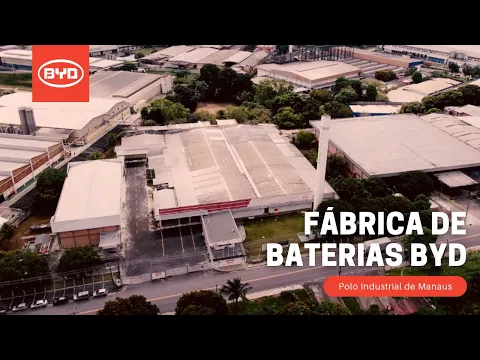
Also Check Out The Following Video Showcasing The Production Of LFP Batteries In Brazil

Toyota Announces Launch Of Innovative Energy Storage System In Batteries For Residential Use
Following the same path as other automakers like Tesla and BMW, the Japanese Toyota announced last week (03) the launch of its new energy storage system based on batteries from electrified vehicles for home use, based on the concept of safe and long lifespan, high performance, and good cost-effectiveness. It is important to note that, although Toyota has not launched a major success in electric cars, it has been producing hybrids for a long time and thus has excellent experience with traction batteries.
To learn more, click this link to read the full article.


Be the first to react!