Portuguese
  Spanish


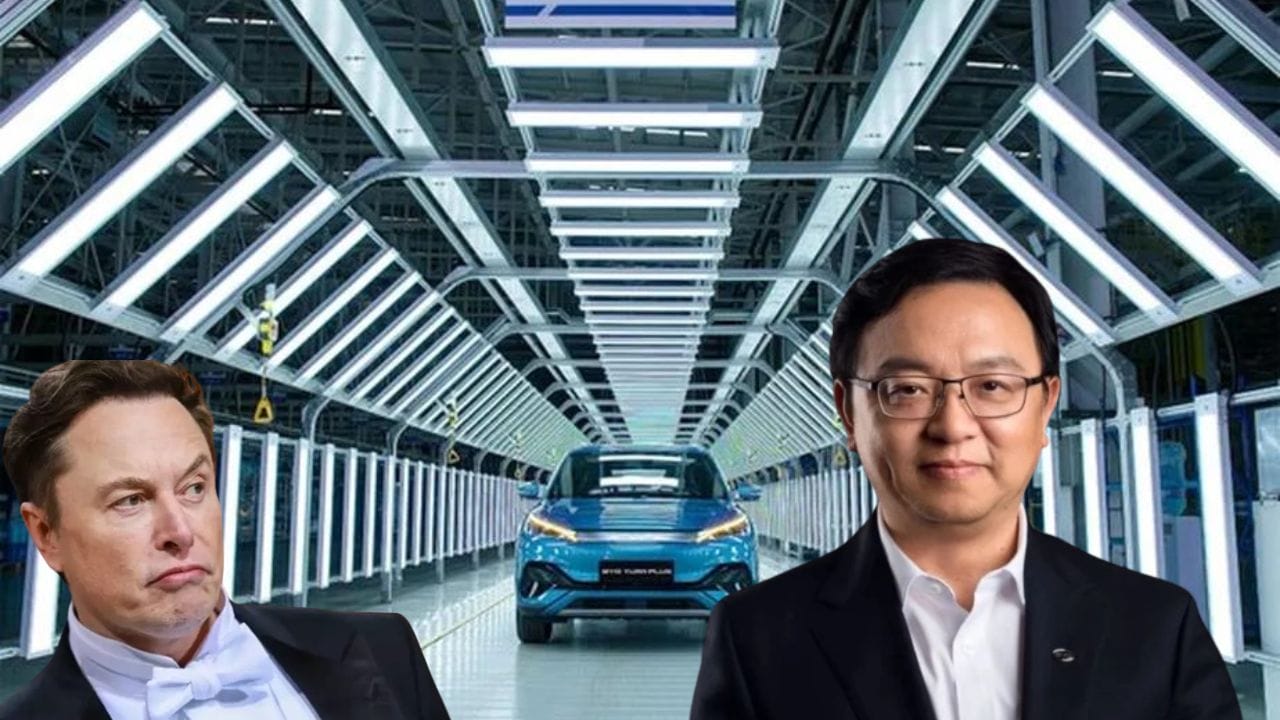

BYD, which stands for “Build Your Dreams,” is making waves in the automotive world. Founded in China, the company, which started as a battery manufacturer, now challenges giants like Tesla, promising quality electric cars at more affordable prices.
BYD is already present in several countries, including Brazil, and has been standing out for its capacity for innovation and rapid growth. The journey of BYD has not been without obstacles; the company faced accusations of using forced labor and scrutiny over the quality of its vehicles.
Despite these challenges, BYD has shown impressive numbers, even surpassing Tesla in some aspects. The company has established itself as one of the leading forces in the electric vehicle market, thanks to its previous experience with batteries and a strategy focused on the Chinese domestic market.
BYD in Brazil, Expansion and Ambitions
The BYD arrived in Brazil in 2017, inaugurating its first factory for electric buses in Campinas, São Paulo. With ambitious plans, the company aims to dominate the Brazilian electric vehicle market, which is still underexplored. BYD already offers five models in the country and is negotiating the opening of new factories, with the goal of starting production of electric passenger cars by 2025.
-
End of an era in Brazil: beloved sedan by Brazilians is discontinued despite having a 2.0 engine with 151 hp, CVT transmission, 466-liter trunk, and up to 650 km of range.

-
New Law Proposal in Brazil Could Heavily Penalize Drivers: Dangerous Overtaking May Become a Serious Offense with Fines Increased Tenfold and a 12-Month License Suspension; Update on 2026 Progress

-
Electric Revolution: Watts W125 Motorcycle Offers 160 km Range, 90 km/h Speed, and Affordable Price Starting at $3,000
-
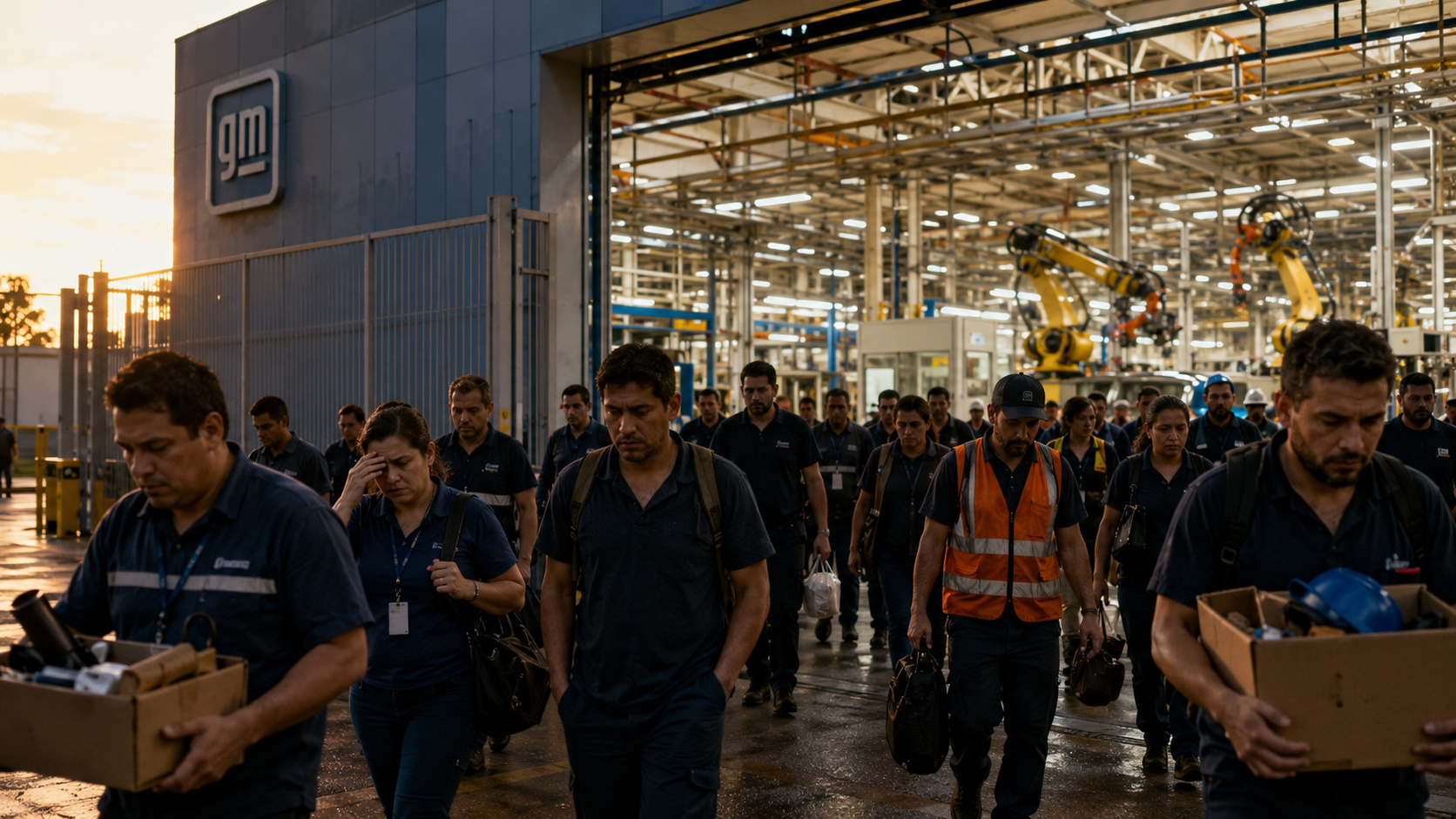
General Motors Replaces Over a Thousand Workers with 50 Cobots at Electric Vehicle Plant, UAW Union Criticizes Move Amid Industry’s Automation Push



Despite its success, BYD faces significant challenges, including allegations of questionable business practices and environmental issues at its factories. However, the company continues to grow in an increasingly competitive and attractive market. With a wider range of products than its rivals, BYD positions itself as a strong contender in the global electric vehicle landscape.
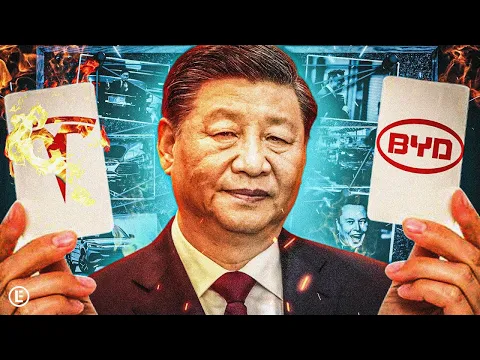
BYD vs. Tesla: A Growing Rivalry
The competition between BYD and Tesla symbolizes the growing rivalry in the electric vehicle market. With Elon Musk recognizing the potential of the Chinese industry, the battle between these two powers promises to be a landmark in automotive history. BYD, with its innovative approach and competitive prices, may be the leading candidate to challenge Tesla’s dominance in the sector.
The BYD continues on its upward trajectory, overcoming challenges and expanding its global presence. With a clear focus on innovation and sustainability, the Chinese company is well-positioned to play a crucial role in the electric vehicle revolution. It remains to be seen whether it can maintain its momentum and overcome controversies to establish itself as a leader in the global electric market.