






 Portuguese
  Spanish
  3 min of reading
  4 comments


BYD About to Launch Hybrid Station Wagon That Promises to Revolutionize the Brazilian Automotive Scenario, Costing the Equivalent of a Popular Car!
The race for electrified vehicles takes a new and intriguing chapter.
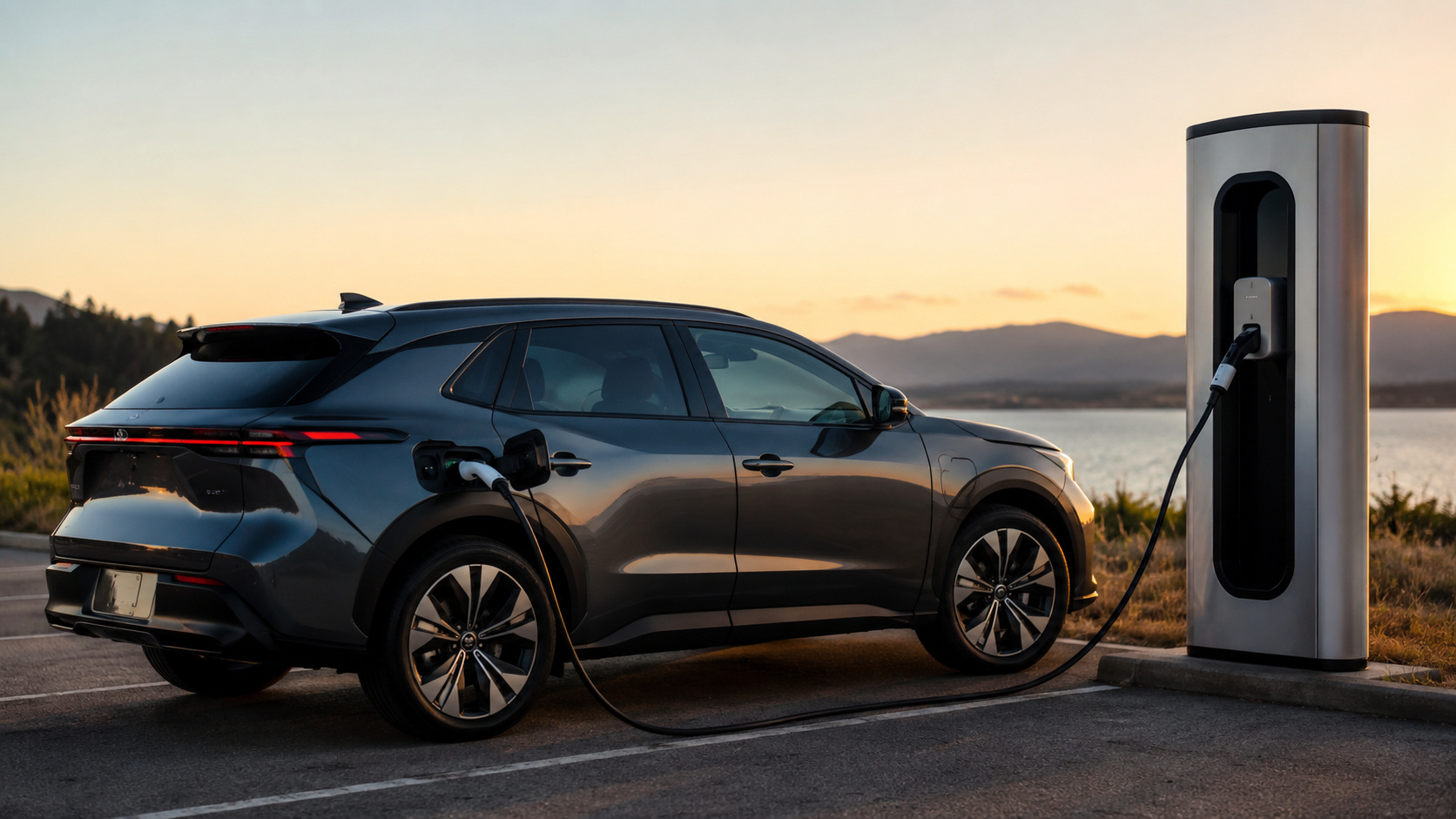
The Chinese giant BYD, known for its aggressive expansion in the global electric and hybrid car market, may be about to launch a hybrid station wagon that promises to revolutionize the Brazilian automotive scenario, especially regarding accessibility.
Information circulating behind the scenes indicates a model that, surprisingly, could hit the national market costing the equivalent of a popular car in Brazil, such as the Renault Kwid.
-
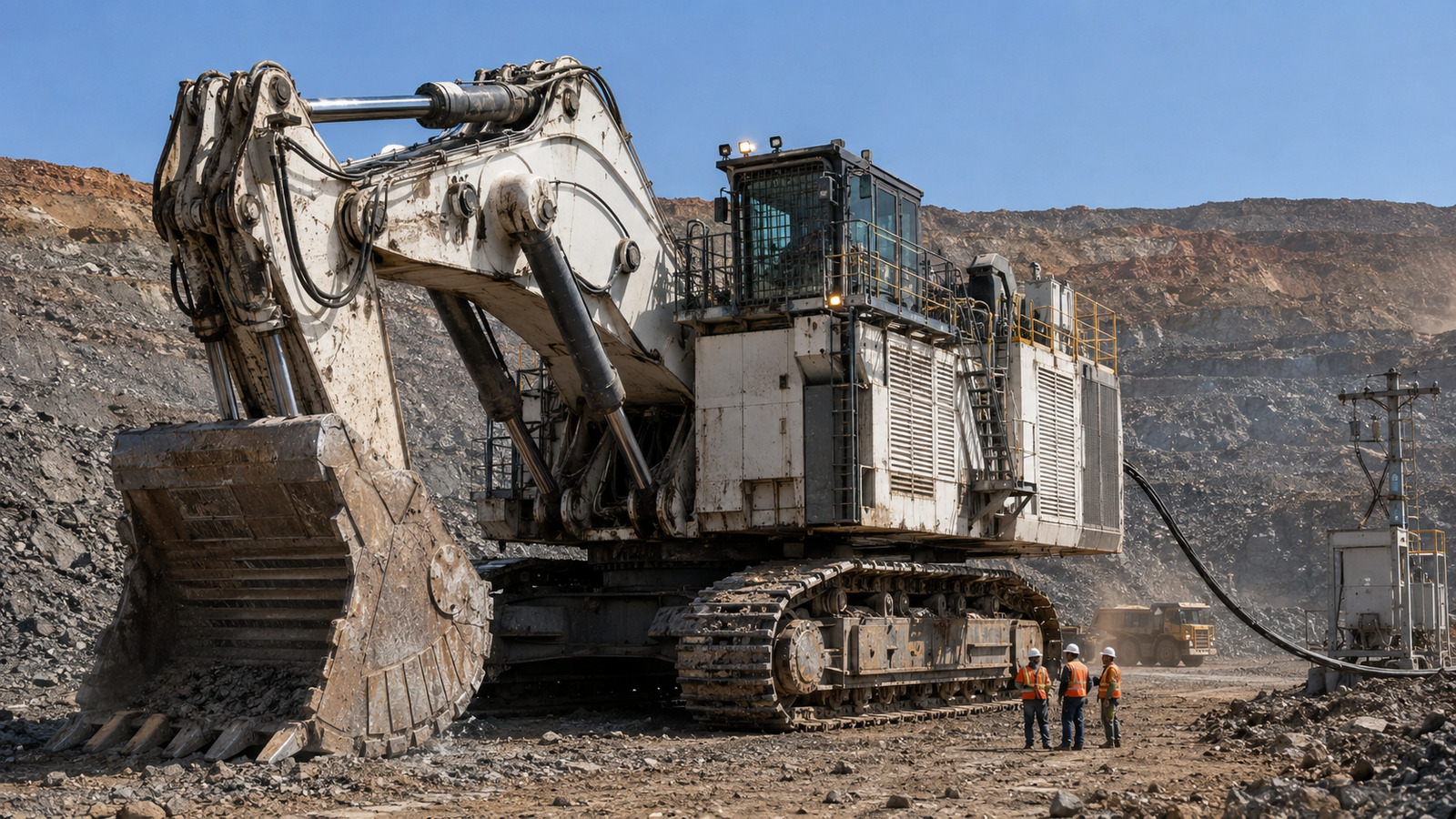
Unprecedented achievement in India: a colossal 650-ton, nearly 3,000 hp excavator is transformed into 100% electric, marking a new phase in heavy mining.

-
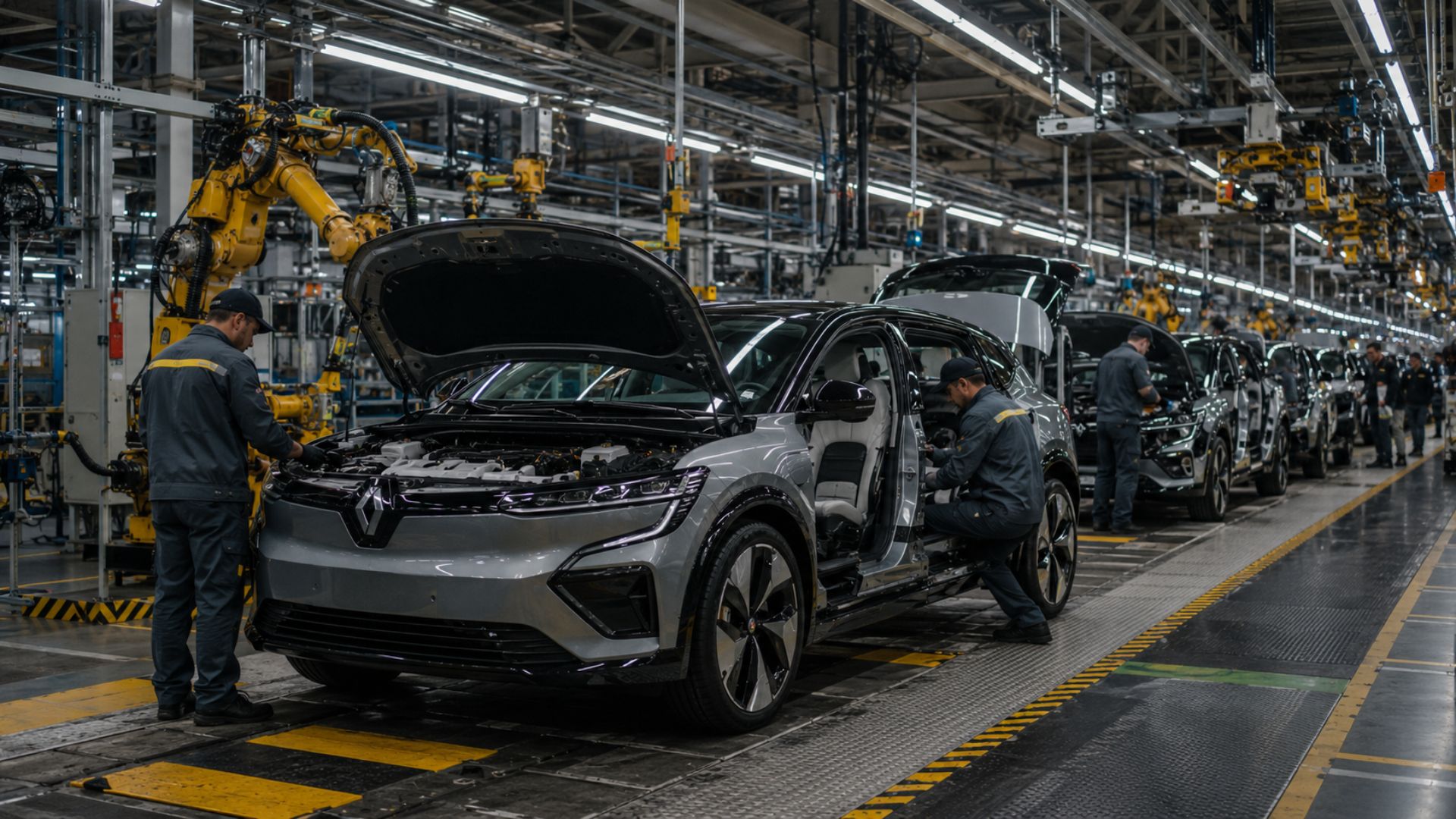
Frightened by the speed of Chinese manufacturers, Renault decided to mimic the pace, made the new electric Twingo in just 21 months, wants to repeat the feat with 36 models by 2030, and along the way, will cut up to 2,400 engineering positions.

-
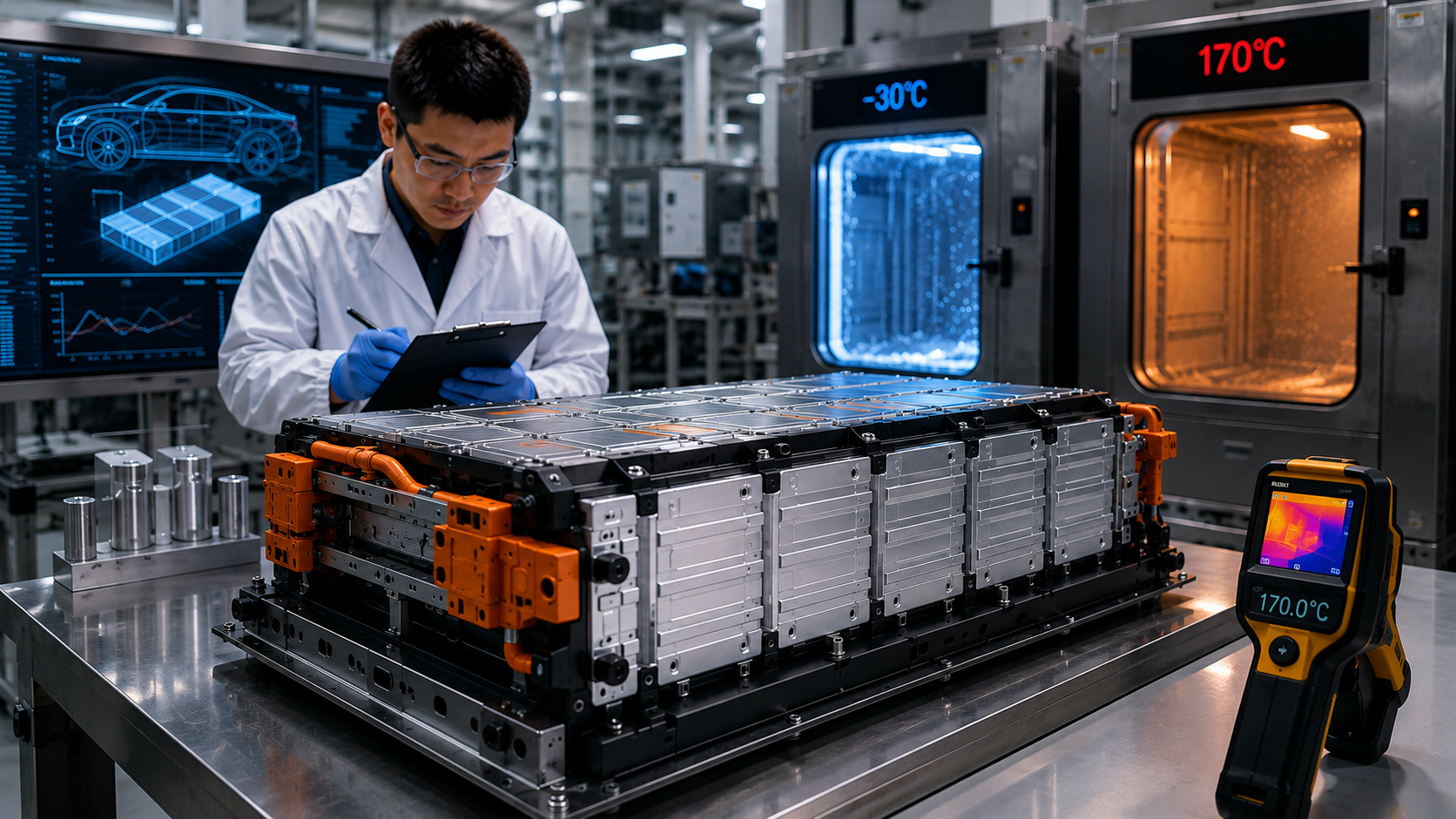
Chinese battery from Dongfeng promises to exceed 1,000 km without relying on liquid electrolyte, and the detail behind the technology could change the electric car competition.

-
The end of the automotive combustion era has already begun, but many in Brazil have not yet realized the magnitude of the shift towards Chinese electric cars.
The Revolution of Hybrid Accessibility
The news of a station wagon with hybrid technology at such a competitive price point is, at the very least, a game changer. Currently, electrified vehicles in Brazil are still perceived as high-cost products, restricted to a wealthier segment of the population.
The possible strategy of BYD to offer a car with a 1.5 gasoline engine combined with electric propulsion for a price similar to that of an entry-level compact like the Kwid would not only democratize access to this technology but also force a complete reassessment of the competitors’ pricing tables.
The station wagon in question, whose exact details are still tightly guarded by BYD, would likely benefit from the massive production scale of the Chinese automaker and its vertically integrated supply chain.
This allows BYD to control costs excellently, passing that savings on to the end consumer. In Brazil, where the energy transition is still in its infancy, driven by incentives and tax exemptions, the arrival of a hybrid vehicle at a popular car price could be the push needed to accelerate mass adoption.
Market Impact and Expectations for the Hybrid Station Wagon
The launch of a hybrid station wagon priced like a popular car would have multiple impacts. Firstly, it would directly challenge the compact and subcompact segment, offering a vehicle with more interior space and trunk capacity, along with the consumption benefits and lower emissions of a hybrid system. In a country that values family vehicles and good cost-effectiveness, BYD’s proposal would be extremely attractive.
Automotive industry analysts are already predicting that, if realized, BYD’s strategy could not only shake up the market but also encourage other automakers to reevaluate their pricing policies for hybrid and electric models.
Competition would intensify, benefiting consumers with more options and potentially fairer prices. Now, we await the official announcement from BYD and details about this hybrid station wagon that promises to be a game changer in the Brazilian market.
Do you think this hybrid station wagon from BYD can truly change the game for Brazilian consumers?







Com toda certeza e inclusive eu já me coloco na fila para trocar o meu HB20 CONFORT PLUS 1.0 MT 2024 COM 4.900KMS RODADOS. JÁ TENTEI COMPRAR UM MINI MAS DEVIDO MEU VEICULO TER UMA PARCELA BALÃO DE 46.600 MIL IRIA SOBRAR NA ÉPOCA 15 KIL PARA INVESTIR NO MINI.
JÁ ME VEJO COMO FUTURO COMPRADOR DE UM EXCELENTE BYD
👃
Eu quero…
Vai acabar com egemonia da strada
O que eu entendo de “perua” seria a Santana Quantum, Paraty, Caravan dos anos 80/90…Strada é pick-up outro segmento acredito