Portuguese
  Spanish


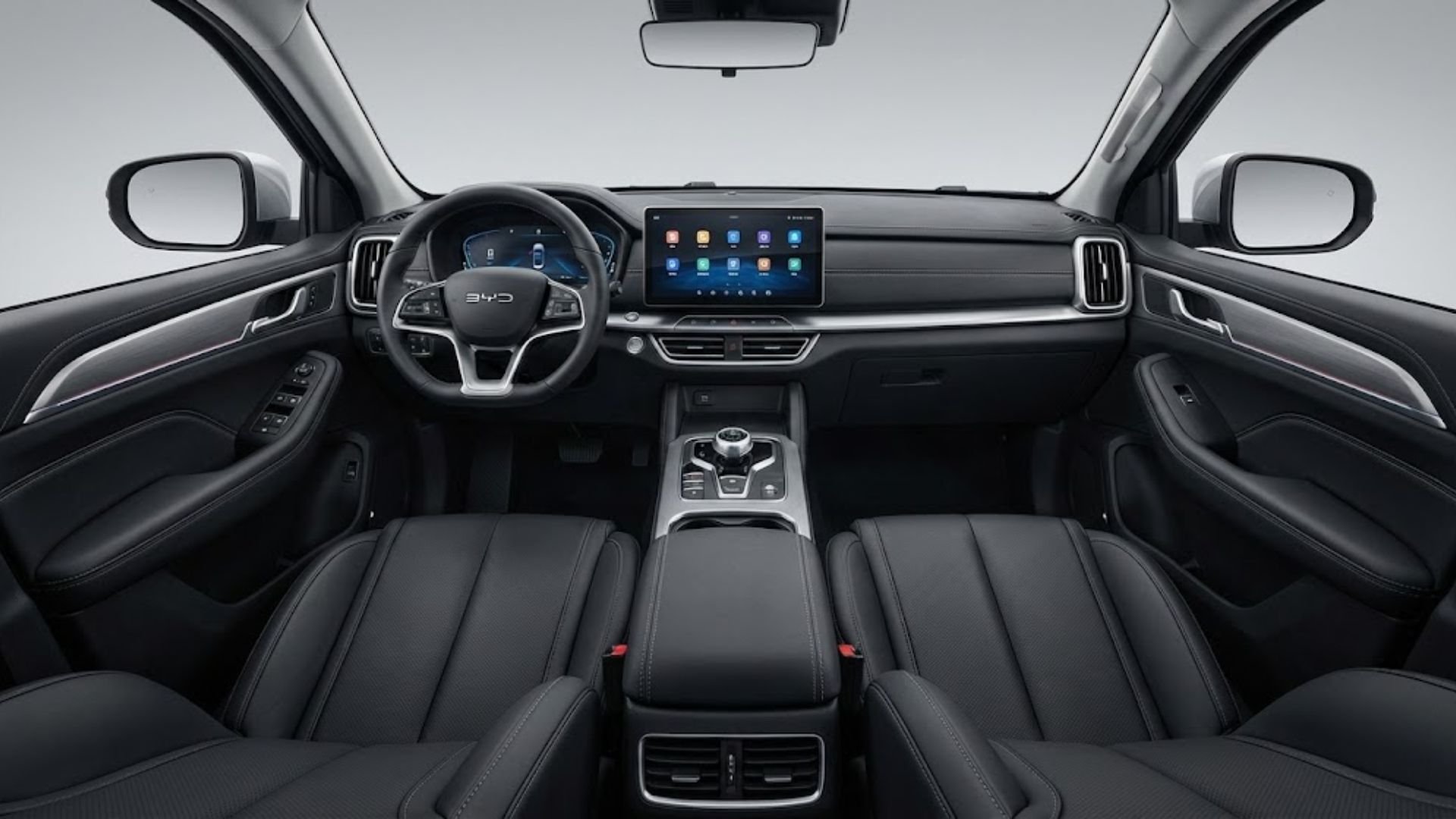

BYD Strategy Prepares Three National Hybrid Pickups, Testing In Progress In Brazil And Production Concentrated In Bahia, Targeting From The Compact Segment To Medium Models To Face Traditional Leaders Focused On Electrification, Autonomy And Operational Cost.
BYD is preparing an offensive in the pickup market in Brazil with at least three projects in development and plans for assembly in the country, according to information published by columnist Marlos Ney Vidal of UOL Cars and by specialized websites that have recorded prototype testing on the road.
The strategy includes models of different sizes, from compact to medium, in a line that should coexist with the Shark, which is currently sold in Brazil as imported.
The manufacturer’s bet is to use the combination of electrification and combustion engine with technology geared towards the Brazilian market, in a range currently dominated by the Fiat Strada and Toro, in addition to medium pickups like the Toyota Hilux, Ford Ranger, and Chevrolet S10.
-
End of an era in Brazil: beloved sedan by Brazilians is discontinued despite having a 2.0 engine with 151 hp, CVT transmission, 466-liter trunk, and up to 650 km of range.

-
New Law Proposal in Brazil Could Heavily Penalize Drivers: Dangerous Overtaking May Become a Serious Offense with Fines Increased Tenfold and a 12-Month License Suspension; Update on 2026 Progress

-
Electric Revolution: Watts W125 Motorcycle Offers 160 km Range, 90 km/h Speed, and Affordable Price Starting at $3,000
-
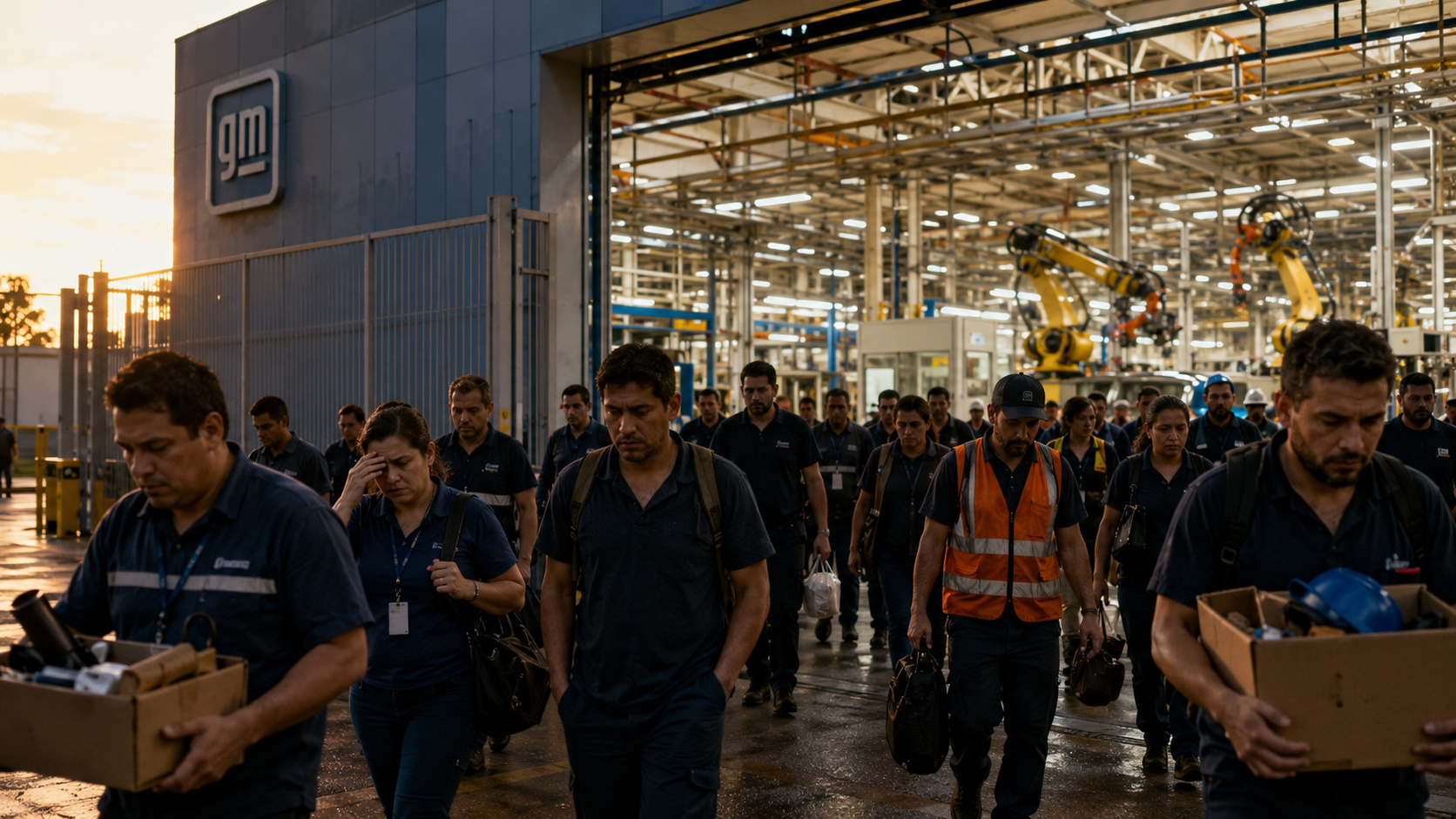
General Motors Replaces Over a Thousand Workers with 50 Cobots at Electric Vehicle Plant, UAW Union Criticizes Move Amid Industry’s Automation Push


Three Development Fronts And Showcase At The Beijing Auto Show
The most advanced project, according to reports, is a pickup derived from the Song Pro SUV, expected to be presented at the Beijing Auto Show in 2026.
The fair, called Auto China, already has dates announced to take place between April 24 and May 3, 2026, in the Chinese capital.
Meanwhile, prototypes of this model have been seen testing in Brazil, still camouflaged.
The proposal is to position it as a direct rival to Fiat Toro, Ram Rampage, and Ford Maverick, in an intermediate size and price range that has gained strength in recent years.
In addition to that, reports mention two other parallel developments.

One of them targets the entry-level segment, focusing on the leadership of Fiat Strada.
The other would be a medium pickup, with 4×4 drive and typical solutions of the one-ton segment, to face traditional competitors such as Hilux, Ranger, and S10.
Production In Camaçari And Strategic Role Of The Bahia Plant
The assembly of these utilities is attributed to the BYD factory in Camaçari, Bahia, which began industrial operations in the country in 2025.
The plant is working with a phased transition to full structure.
In reports published throughout 2025, the automaker and local authorities mentioned a progressive nationalization schedule, with the factory expected to be fully operational by 2026.
In this arrangement, the Shark appears as the largest pickup in the current portfolio and serves as a technological showcase for the brand.
In Brazil, it is presented as a plug-in hybrid, with a 1.5 turbo engine and two electric motors, one on each axle.
This architecture ensures all-electric all-wheel drive.
The suggested MSRP in 2025 by specialized publications was around R$ 379.8 thousand, with reports of discounts in retail offers.
Pickup Based On The Song Pro And Anticipated Numbers
For the model derived from the Song Pro, the available information is still mainly circulating as backstage anticipations and projections attributed to industry sources.
According to what has been published, the pickup is expected to inherit the flex hybrid system associated with the Song Pro.
The model is also expected to follow the design of the Song family, with 4×2 drive in the base and 4×4 in the more complete configurations.
Figures mentioned include 235 hp of combined power, fuel consumption around 40 km/l, and total autonomy close to 1,200 km.
Additionally, there is a reference to about 100 km of range in electric mode.
So far, however, this data has not appeared as specifications officially confirmed by BYD.
Therefore, these are targets or estimates reported by columnists and specialized outlets.
These figures are still subject to change until the official presentation and commercial launch.
There is also an indication that the commercial name would be defined in January, but without a verifiable public confirmation in the institutional material available so far.
Compact Hybrid Pickup And The Challenge Of Facing The Strada

In the plan for a compact model, the target is clear: the Fiat Strada, which remains one of the best-selling vehicles in the country.
The model has led the segment for years and accounts for a significant share of Fiat’s volume in Brazil.
The thesis, according to publications, is to offer a smaller pickup with electrification as the central differential, targeting a mixed use between work and city.
In this context, fuel costs and energy efficiency gain weight in the strategy.
Even with this direction, the project’s stage is described as in development.
The engineering timelines are still in progress, and there is no official technical sheet released.
The narrative points to cooperation between China and Brazil teams, aligned with the brand’s discourse of adapting technologies to local reality, especially in the use of flex hybrid systems.
Medium 4×4 Pickup Targets Leaders Of The Traditional Segment
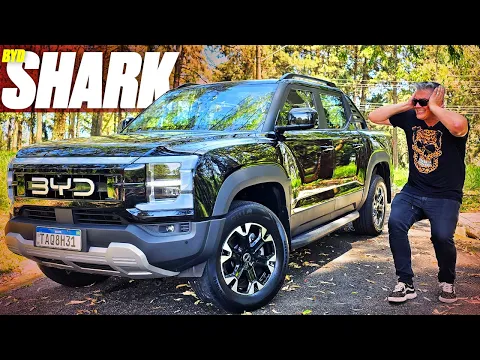

For the third front, medium-sized, the information attributed to insiders indicates a configuration with 1.5 turbo combustion engine combined with two electric motors.
The set would form a 4×4 system with electrification on the axles.
The proposal would be to position below the Shark but still aim for high load capacity and great autonomy.
Reports mention the use of leaf springs, a common feature in medium pickups geared towards work.
A goal of autonomy above 1,200 km per tank and load is also mentioned.
The arrival at dealerships is indicated for the end of the first half of 2027, without official confirmation from the brand.
So far, there is no definitive public data on power, consumption, load capacity, or a finalized commercial calendar.
With prototypes in testing and industrial expansion underway in Camaçari, the movement signals a repositioning of BYD beyond electrified SUVs and sedans.
The entry into the pickup segment occurs precisely in one of the most competitive markets in the country.
When the official specifications are presented, what is likely to weigh more for the Brazilian consumer: price, real autonomy, or robustness against already established rivals?