






 Portuguese
  Spanish


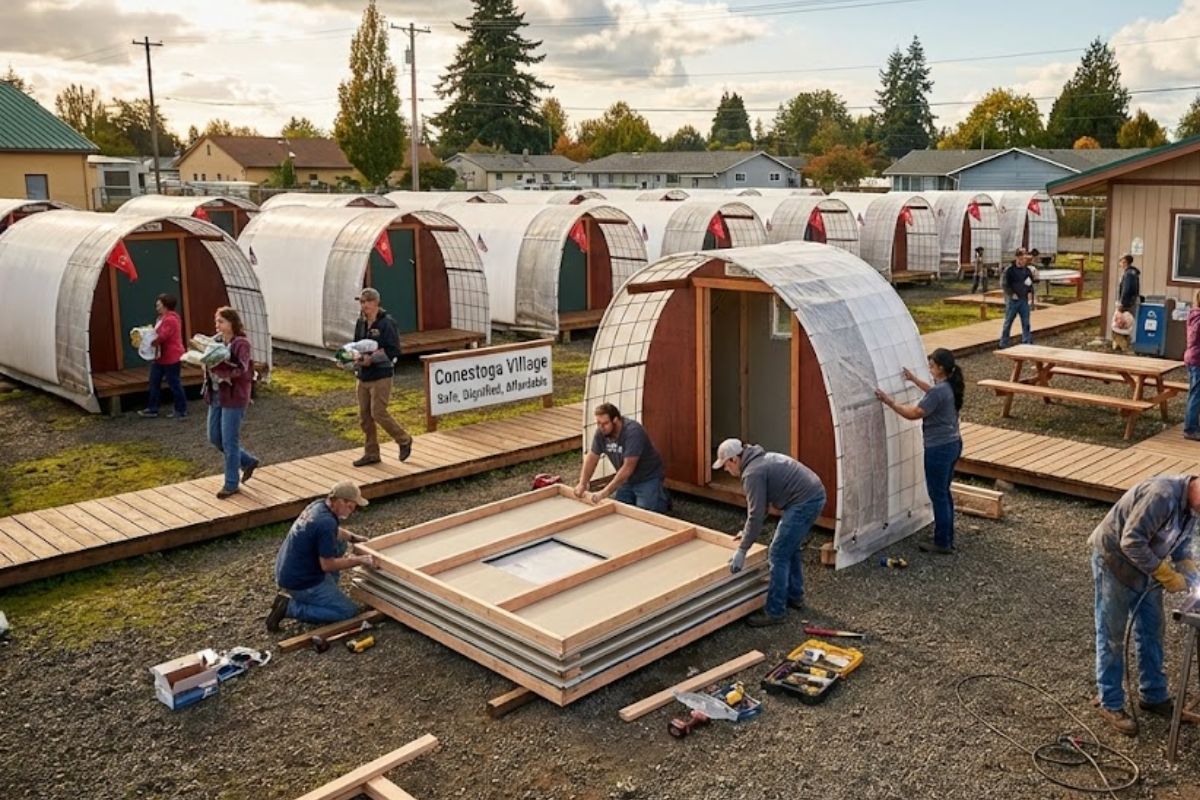


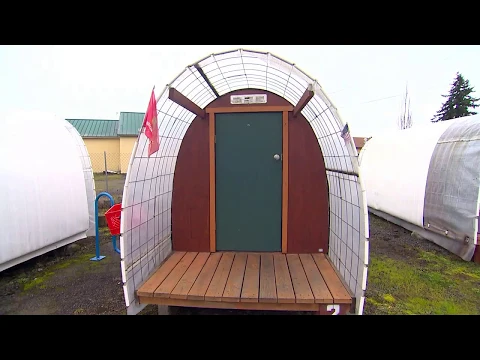
With An Approximate Cost Of US$ 2,500 Per Unit And Assembly In A Few Hours, The Conestoga Cabins Of Eugene, In Oregon, Offer Secure, Climate-Resistant, Isolated Shelter, Connecting Residents To Mental Health, Social Support And Employment; In Some Cases, The Transition Ends In A Privately Owned Apartment, With A Quicker Exit.
The Conestoga Cabins Have Become Central To Eugene, Oregon’s Response To Homelessness: They Are Compact Structures, Quickly Assembled, With Locks, Insulation, And Climate Protection, Designed To Get People Off The Street And Provide A Concrete Base For Reorganizing Daily Life.
In Practice, The Model Combines Temporary Shelter With Social Support. Residents Report Feeling Of Safety And Stability; Local Teams Point To Gains In Routine Predictability And, In Some Cases, The Passage Through The Villages Ends In Employment And Direct Exit To Conventional Housing, Including Their Own Apartment.
Who Is Behind The Initiative And How The Model Operates In The City

The Format Of The Cabins Refers To The Old Conestoga Wagons, And This Reference Has Become The Project’s Identity.
-
Orphaned Youth Turns Dismissed Idea into Global Prestige with Innovative Wristwatch

-
English Skills Boost Career Opportunities in the Oil and Gas Industry

-
Brazil Secures Second Place at WorldSkills 2024 in Lyon, with 64 Young Professionals and 8 Medals, Including Gold from a Rio de Janeiro Hairdresser

-
3,000 Military Personnel from 10 Countries, Including US and Chinese Marines, Train Together in Brazil’s Savanna: Operation Formosa Becomes Largest Naval Ground Exercise Before First Cancellation Since 1988



The Proposal Was Designed By Erik Deburr, Linked To The Community Supported Shelters Group, With Community Support And Funding From Donations. The Logic Is Not Just To “Provide Shelter”, But To Create A Structured Starting Point For Those Who Were Living On The Streets.

In Eugene, The Villages Were Distributed Across Different Locations And Function As Transitional Shelters. During The Day, Many Residents Go Out For External Activities, Especially Mental Health Services And Job Counseling. This Design Reduces Social Isolation And Connects Emergency Housing To A Broader Support Network, Instead Of Keeping The Person Trapped In A Purely Assistive Solution.
Cost And Speed: Why The Cabins Gained Traction
The Economic Differential Appears Directly: Each Unit Costs Around US$ 2,500, While Tiny Houses Usually Range Between US$ 10,000 And US$ 20,000.
Additionally, The Implementation Time Is Another Dividing Factor: The Cabins Can Be Assembled In Hours, Not Weeks, Which Changes The Response Capacity When Demand For Shelter Grows.
This Gain In Speed Allows For More Openings With A Shorter Interval Between Decision And Delivery. Local Volunteers Have Participated In Finalizing Dozens Of Units, And The Project Reached The 84th Cabin In One Of The Mentioned Fronts.
In Terms Of Public And Community Management, This Creates An Operational Alternative For Situations Where Waiting For Long Construction Means Keeping People On The Streets Longer.
Simple Engineering, Direct Impact: What Is Inside These Structures

The Conestoga Cabins Were Designed For Climate Resistance, Thermal Insulation, And Daily Use Security. The Internal Space Is About 60 Square Feet, With An Elevated Bed And Basic Organization For Belongings.
It May Seem Small In Square Footage, But The Functional Leap Is Significant When Compared To The Street Or Unstable Tents.
The Ability To Lock The Unit Is A Decisive Point. For Those Living Without Fixed Shelter, Losing Documents, Clothes, Medications, And Everyday Items Is Common.
By Ensuring Minimum Protection For Belongings, The Model Reduces A Factor Of Continuous Chaos And Opens Up Space For Concrete Short-Term Goals, Such As Keeping Commitments, Looking For Work, And Rebuilding Institutional Ties.
From Temporary Residency To Real Housing Transition
The Reports Collected In The Program Show Different Trajectories, But With A Common Thread: The Initial Stability Favors Practical Decisions. Veterans Attended In A Specific Village And Other Residents Report Improvements In Routine And Resumption Of Planning.
When There Is An Address, Security, And Technical Support, The Horizon Stops Being Just “Spending The Night” And Starts To Include Next Steps.
In Some Cases, The Advance Is Accelerated. There Are Records Of A Resident Who Left The Cabin For His Own Apartment, Indicating That Temporary Shelter Can Function As An Effective Bridge, Not As A Final Destination.
The Employment Axis Is Strongly Present In This Movement: The Search For Job Opportunities Happens Alongside Social Support, Reinforcing The Idea Of A Transition In Stages.
Between Emergency Solution And Long-Term Policy

The Cabins Do Not Replace Permanent Housing At An Urban Scale, But Change The Quality Of The Immediate Response. Instead Of Concentrating Everything On A Single Expensive And Lengthy Bet, Eugene Combined Rapidly Deployable Units With Ongoing Social Support.
It Is A Harm Reduction Strategy With The Potential To Accelerate Exits To More Stable Housing Formats.
At The Same Time, The Model Depends On Coordination: Donations, Volunteer Work, Local Management, And Integration With Public Services. Without This Chain, The Cabin Becomes Just A Physical Shelter. With This Chain, It Can Function As A Transition Stage With A Beginning, Middle, And End, Including A Departure Door For Conventional Rent.
The Experience Of Eugene Shows That Lower Costs, Quick Assembly, And Integrated Social Support Can Transform Cabins Into A Concrete Bridge Between The Street And Permanent Housing, Without Promising A Magical Solution.
In Your Assessment, What Matters More To Work In Practice: Immediate Safety With Rapid Implementation Or Direct Investment In Final Housing From Day One? And Which Model Would Make More Sense For The Reality Of Your City?





Aqui no Brasil isso vai virar moradia definitiva, a grande maioria dos moradores de rua não querem saber de trabalhar , vai virar um lixão com tranca. Cabanas para uso e tráfico de drogas. Aqui não vira, esse povão das ruas querem ficar vivendo de auxílio que esse lixo do PT instituiu.
Sim Wilson, deve ter sido o PT quem criou a desigualdade de classes no Brasil mesmo. O processo de colonização e roubo de terras na era do Brasil colônia não tem nada a ver com isto, nem o de concentração de renda e de terras. O dia que R$600 de Bolsa Família der para organizar uma vida no sistema capitalista, cê me conta. Vai lá tenta e me conta, tá bem?! Há braços
Primeiro tu coneçou com uma resposta nada aver, o que ele disse e que tem muita gente que fica na rua por causa que só quer ser sustentado pelo bolsa família e não trabalha, vc falou que 600 reais não dá pra organizar a vida exato por isso eles tão na rua, por isso não eles não sai da rua quer ficar dependendo do bolsa família, sua resposta fui **** de+
**** detectado 😮💨
Essa é uma solução prática, rápida e de certa forma definitiva para quem precisa e quer sair do desalento. O único problema é esbarrar nos interesses políticos e de ONGs que lucram com a **** alheia. 🙏💀🇧🇷🤟
Segurança imediata com implantacao rapida.