Portuguese
  Spanish


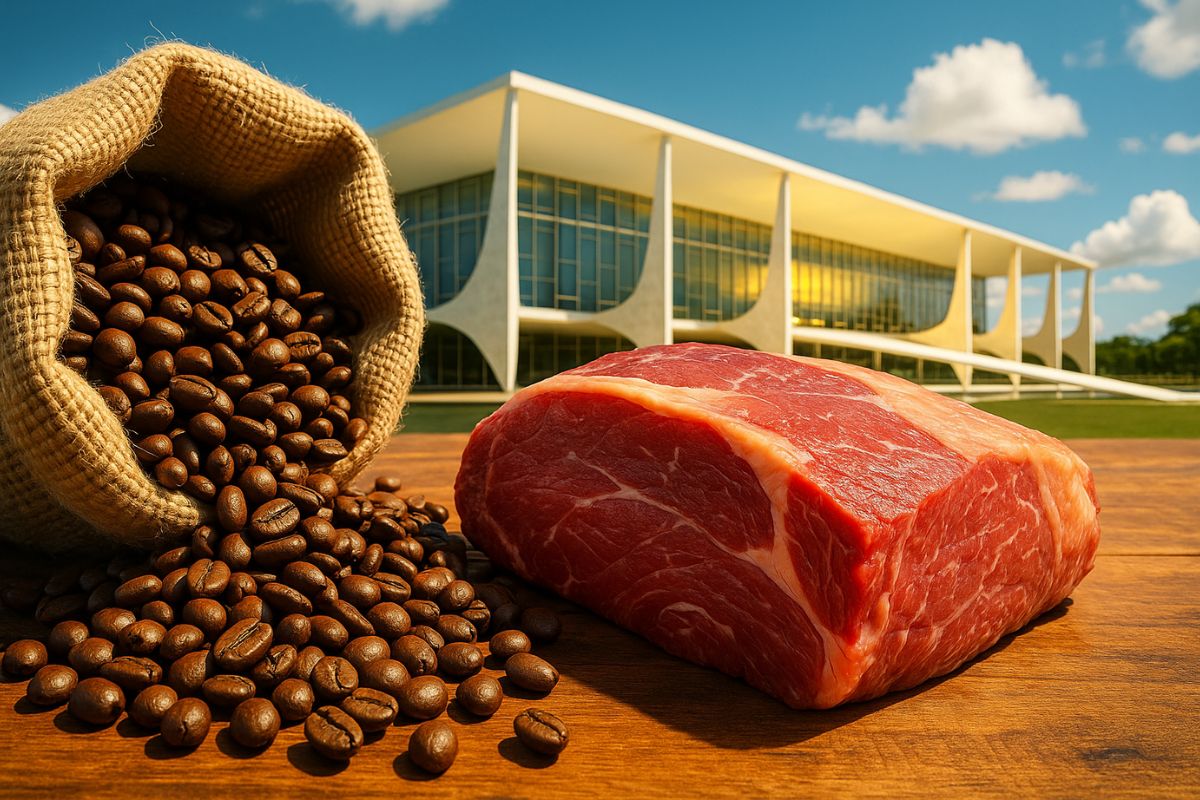


Coffee and Meat Excluded from Government List for Having Other Markets, Says Paulo Teixeira. Minister Claims That Products Have High International Demand and Should Be Absorbed Even With U.S. Surcharges.
The Minister of Agrarian Development and Family Agriculture, Paulo Teixeira, explained this Monday (25) to Valor Econômico that coffee and meat were not included in the list of products eligible for government purchase in support programs. According to him, these items have market outlets in the international market and therefore do not require the same type of emergency support granted to other commodities.
The government published, last Friday (22), an interministerial ordinance authorizing public purchases of Brazilian foods impacted by the tariff increase imposed by the United States. The measure has an initial validity of 180 days but may be extended.
Why Coffee and Meat Were Excluded
According to Teixeira, both coffee and beef continue to have strong demand in other markets. The international appreciation, especially in the U.S., reduces the risk of loss for producers.
-
With a record production of nearly 3 million barrels per day, Petrobras resumes importing diesel in July, highlighting the bottleneck in Brazilian refining.

-
Micron invested $9.3 billion in a factory in Hiroshima to produce the memory that powers the brain of global artificial intelligence.
-
The largest highway project in history used enough concrete to reach the Moon, created 66,000 km of highways, cost $25 billion, and changed transportation, the economy, and national defense in the US during the Cold War.

-
After selling only 264 SUVs in five months, Jaguar Land Rover closes factory in Brazil after nearly 10 years, exposing 371 jobs to uncertainty and may see the R$ 750 million unit shift from premium luxury to become a base for the Chinese company Chery.

“The fact that coffee was not included is because there are other markets that want Brazilian coffee. The same goes for meat, as there are other markets that will want Brazilian meat,” said the minister.
He also emphasized that the expectation is that these products will eventually be included in exceptions to American surcharges. “They have started making burgers with prime beef, which has driven up the price of meat in the U.S. The same happened with coffee, which also increased in price,” he stated.
The Government Ordinance and the Products Covered
The ordinance authorizes the acquisition of items like açaí, coconut water, nuts, mango, honey, and fish, in different formats. The intention is to absorb part of the production affected by trade barriers, ensuring minimum income for farmers and family cooperatives.
According to the government, public purchases cannot be made based on export prices, but it will be possible to review the value table if there are complaints from affected producers. Congress will also be able to consider turning the measure into a permanent policy.
Impacts on Brazilian Agribusiness
While coffee and meat remain competitive in the external market, other sectors feel the effects of the American surcharge more acutely. The inclusion of fruits, oilseeds, and fish in the list seeks to prevent producers from facing severe financial losses.
The challenge now is to balance emergency support without distorting internal prices, keeping Brazil competitive in the global scenario. Coffee and meat remain strategic but have greater resilience against the impact of tariffs.
The government’s decision shows that, although affected, coffee and meat still have guaranteed space in the international trade, unlike other more vulnerable production chains.
And you, do you think the government should include coffee and meat in the list of public purchases, or do you agree that these products have enough strength to sustain themselves in the market? Leave your opinion in the comments.