






 Portuguese
  Spanish


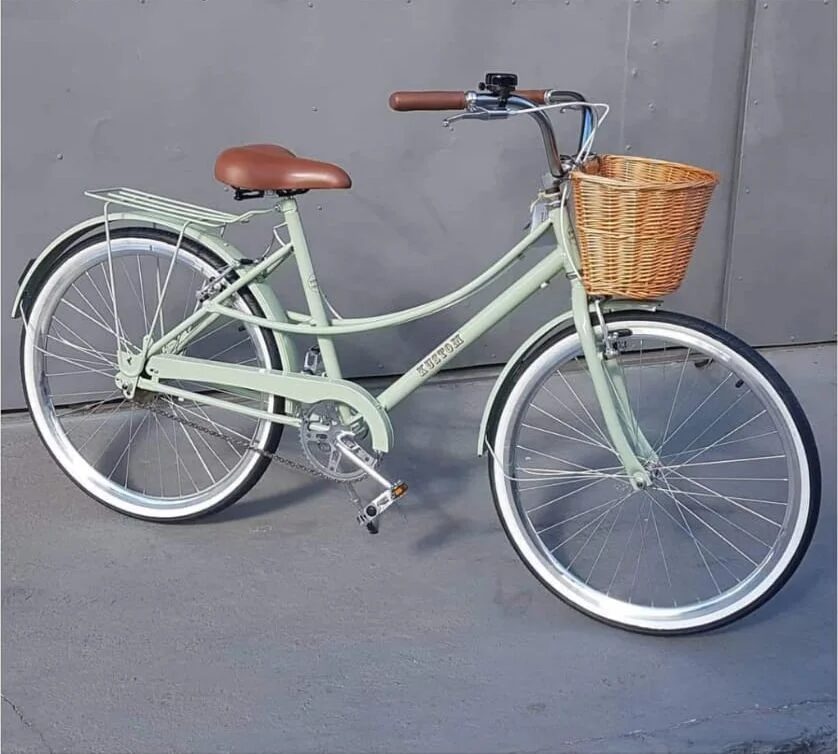

Where Are Caloi, Monark, and Ceci? Recall the Bicycle Brands That Marked Childhood and See How They Are Today.
For decades, brands like Caloi, Monark, and Ceci were not only market leaders — they were an inseparable part of the childhood of generations of Brazilians.
In an era when riding bikes on the streets was synonymous with freedom and adventure, these names were emblazoned in practically every garage and backyard in the country.
But time passed, the market changed, and the inevitable question arises:
-
77-Year-Old Woman Earns Top Marks for Embroidered Children’s Book Thesis with Her 98-Year-Old Mother, Moves Audience After Returning to University Entrance Exams 30 Years Later with a Score of 980

-
Domestic Workers in Switzerland Earn Around $220 per Day, Compared to $24-$60 in Brazil

-
As Engineering Jobs Decline in Brazil, Professionals Eye the U.S. with 186,500 Annual Openings and Salaries Up to $170,000
-
Brazilian Innovator Develops Concrete Blocks from Recycled Plastic, Eliminating Mortar and Reducing Construction Costs



What happened to these iconic brands? Do they still exist? Were they sold? Did they disappear? Or do they still stand strong — just different?
In this report, we revisit the journey of these bicycle giants and show how they faced crises, mergers, nostalgia, and even rebirths in the modern world.
The Golden Age of Bicycles in Brazil
In the 70s, 80s, and 90s, bicycles were more than just a means of transportation: they were a symbol of freedom.
Children dreamed of a Caloi Cross, a Monark Monareta model, or the classic pink Ceci.
It was common for families to save for months to give a bicycle as a Christmas gift — and for many, it was the most precious possession of their childhood.
Caloi, for example, was founded in 1898 by an Italian immigrant and grew alongside Brazil’s urban development.
Monark, on the other hand, emerged in 1948 and soon became a direct rival.
The rivalry between the two brands shaped an entire cycling culture in the country, which saw pedaling as a cheap, healthy, and fun alternative.
Caloi: A Century-Old Tradition That Survived the Modern Era
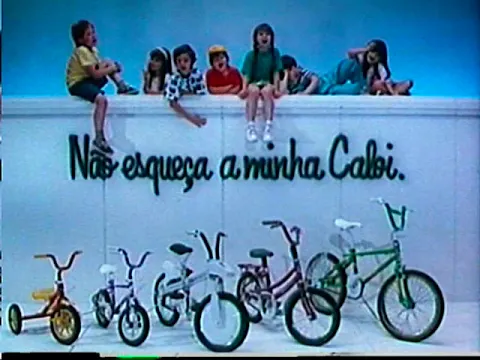

Caloi is the only one of the major national brands that has managed to remain relevant to this day.
After decades of dominance, the company faced difficulties with the arrival of cheaper imported bicycles in the 2000s.
In 2013, it was acquired by the Canadian company Dorel, which also controls brands like Cannondale and GT.
Despite the change in management, Caloi preserved its national identity, maintaining production in Manaus and investing in modern models while not abandoning the classics.
The company also entered the electric and urban bicycle segment, trying to connect with a young audience that is conscious of urban mobility.
Today, Caloi remains a market leader in Brazil, but it is competing with global companies.
Its strength lies in the fond memories that generations still have of the brand.
Monark: From National Symbol to Fall and Discreet Rebirth
If Caloi was the winner of the commercial war, Monark was the one that suffered the most from market openness and Asian competition.
The company, which dominated Brazil in the 70s and 80s, entered decline in the 2000s and closed part of its industrial operations in 2014.
The headquarters in São Paulo shut down, and for a time, the brand practically disappeared from retail.

But Monark did not die.
Its rights were acquired by other groups, and the brand continues to exist discreetly, produced by third parties in smaller volumes, focusing on simple models for small towns.
Today, it is possible to find Monark bicycles in discount stores and supermarkets, but without the same prestige and innovation of the past.
Still, its name carries nostalgic weight, and many consumers remain loyal due to affection or family tradition.

Ceci: More Than a Model, a Symbol of Female Childhood Empowerment
Between the 80s and 90s, there wasn’t a girl who didn’t want a Ceci.
Launched by Caloi as a model specifically for the female audience, the bicycle became an icon of Brazilian childhood.
Vibrant colors, baskets in front, a rear seat, and a delicate design defined its era.
The success was so great that Ceci became synonymous with “girl’s bicycle.”

However, over time, new generations began to see the design as outdated, and the line lost space.
Still, Caloi still produces models from the Ceci line, now more modernized and with a retro appeal, targeting the nostalgia of parents who had one in the 90s.
The brand bets on this emotional connection to stay relevant:
It’s not just a bicycle; it’s a link between generations.

The Impact of Foreign Competition
With the massive arrival of imported bicycles — primarily from China and brands like Trek, Specialized, and Giant — the Brazilian market underwent a true tsunami.
Lower prices, more advanced technologies, and bolder designs have stolen the spotlight from national brands.
Moreover, the profile of the cyclist has changed.
It has gone from being just children to including adults who use bikes for transportation, exercise, and leisure.
This required an update that not all Brazilian brands could keep up with as quickly.
The Power of Nostalgia as a Competitive Advantage
Even in a highly competitive scenario, affective memory has been a trump card for brands like Caloi and, to a lesser extent, Monark and Ceci.
Advertising campaigns aimed at adults who were children in the 80s and 90s have had an effect.
Videos and commercials that revive old jingles or show parents buying Caloi for their children reinforce this emotional bond.
The bicycle, for many, is not just an object — it’s a childhood memory, a symbol of freedom, of a simpler Brazil.
And that is something no imported brand can replicate with the same power.
Is It Still Worth Investing in These Brands?
For those looking for an entry-level bicycle, simple and easy to maintain, Caloi is still one of the best options available in Brazil.
Monark can also serve niches, especially in small towns or regions where it still has a strong cultural presence.
Ceci, in turn, remains strong as an affective brand, even if with less reach.
Its classic design still appeals to parents wanting to relive their own stories through their children.
Caloi, Monark, and Ceci Are Still Alive — Some More Discreet, Others Reinvented.
Despite the changes in the market, these brands still carry a piece of Brazil’s history and the affective memory of millions of people.
In times of rapid changes, it is comforting to know that some wheels still turn with the same spirit as before.
Perhaps that is what keeps them alive: not only the metal and pedals, but the memories they carry in every curve of Brazilian childhood.
And You, Do You Still Remember Your First Bicycle?
Was it a Caloi, Monark, or perhaps a Ceci? Tell us in the comments which model marked your childhood — and why!


Na infância tinha uma monareta da monark . Hj tenho duas monareta uma 1980 kross Il e uma garupao19733.sempre faço pedal recreativo com elas. Também adquiri uma monareta Mirim83, aro 16, para minha filha . A grande vantagem ,elas são de fácil manutenção e foram feitas para durar décadas.
Quem gosta de Bicicletas Retrô pode chegar lá no @bike_age para encontrar diversas jóias de várias décadas, inclusive modelos e marcas citados.
Tenho uma Caloi berlineta vermelha dobrável raridade década de 70… muito boa, confortável de pedalar, um clássico!