





 Portuguese
  English
  Spanish
  3 min of reading


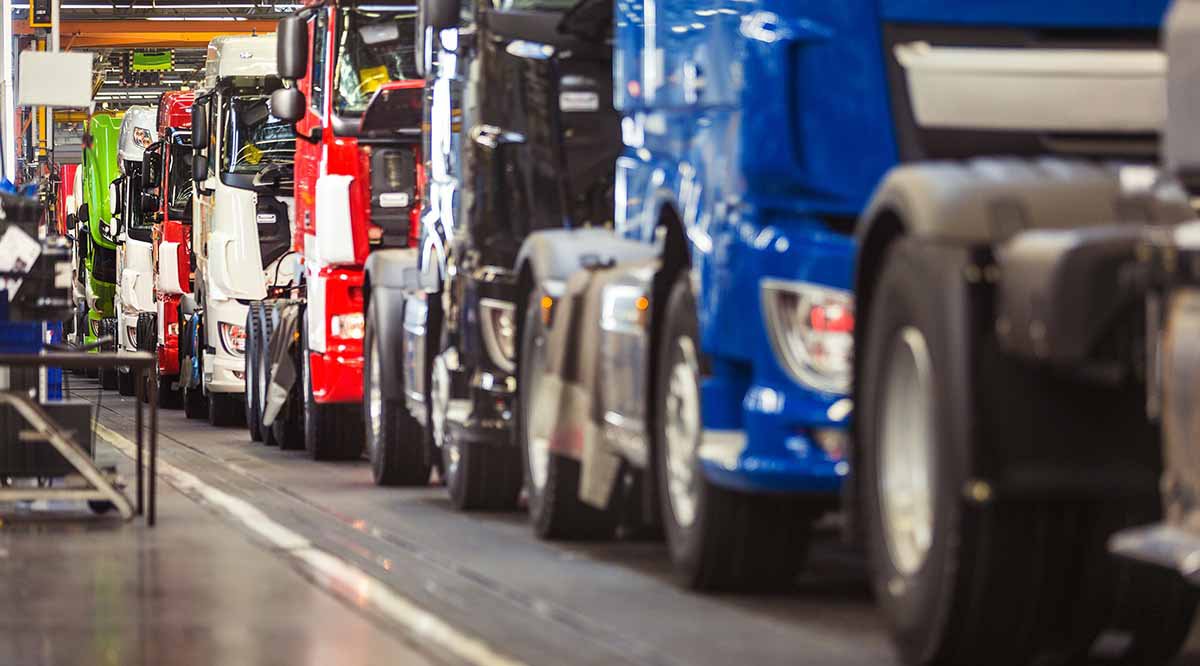
The New MP Approved by the Chamber of Deputies Creates the Renovar Program and Aims to Replace the Fleet of Old Vehicles in Brazil, Such as Trucks and Buses, for the Modernization of the National Transport System in the Coming Months.
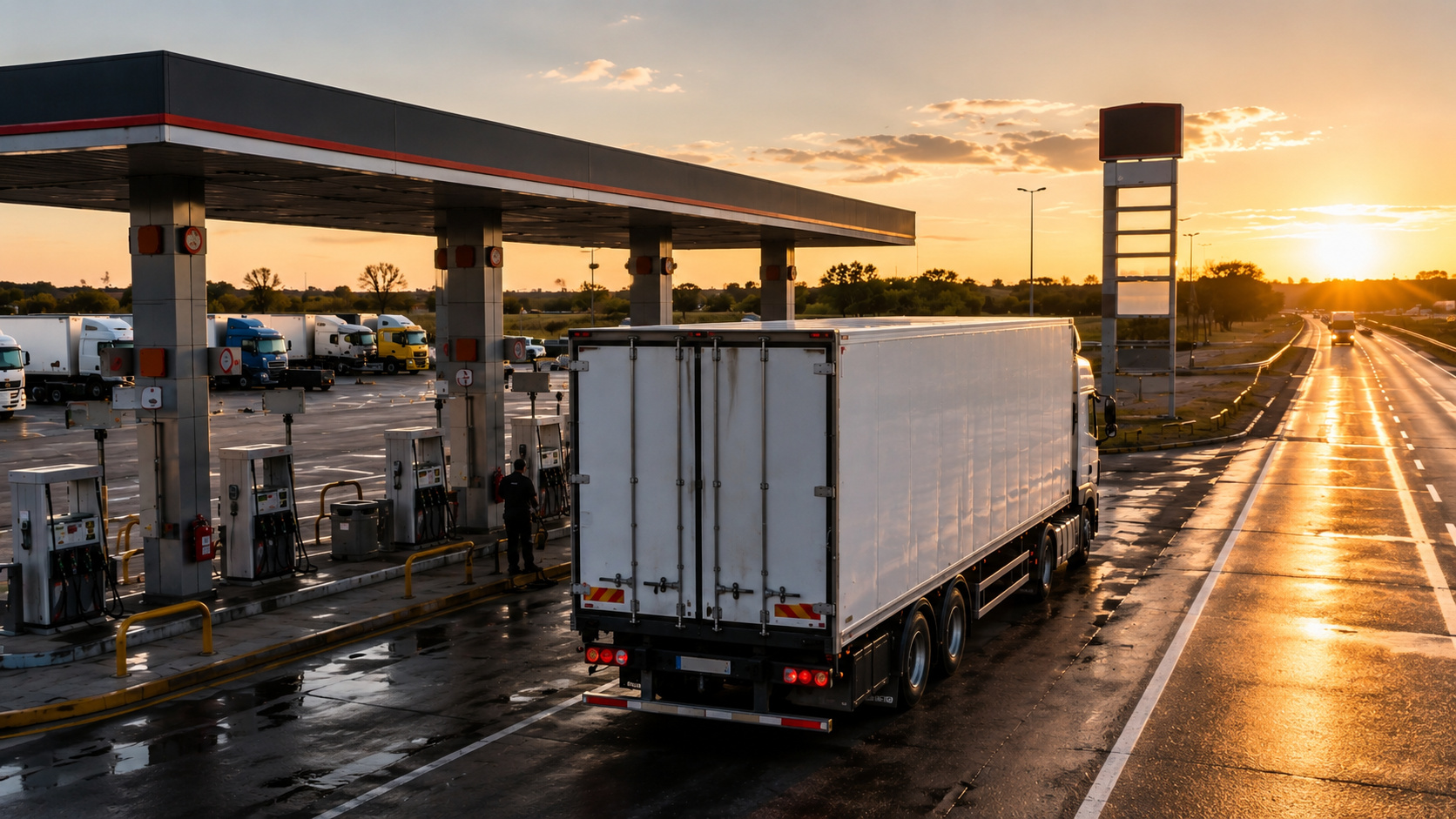
On last Tuesday (02/08), the Chamber of Deputies approved Provisional Measure 1112/22, which creates the National Road Fleet Productivity Increase Program (Renovar), focused on renewing the fleet of buses and trucks. Named Renovar, the program aims to modernize the national transport system and will have the support of transport agencies to replace the country’s fleet of old vehicles in the coming months.
Renovar Program Created by the Chamber of Deputies After MP Approval Will Enable the Replacement of Old Vehicles in the National Transport System
The transport and mobility sector in Brazil will now benefit from a new program for modernizing the vehicle fleet, Renovar, created by the Chamber of Deputies after the approval of MP 1112/22 on this past Tuesday.
Thus, the fleet of old buses and trucks in Brazil will be completely replaced to ensure more technology, quality, and safety in the national transport system by the end of the program.
-
Argentina confirms Belgian giant to lead strategic Paraná River waterway and promises to reduce logistical costs on one of South America’s most important routes

-
MBRF surprises the logistics sector by demonstrating how Artificial Intelligence can directly influence deliveries throughout Brazil by reorganizing distribution routes in seconds, optimizing fleet usage, reducing logistics costs, and speeding up product arrivals even in the face of unforeseen road incidents.
-
With deep ports and strategic railway, Espírito Santo advances to compete with Santos and attract foreign trade cargo.
-
It is now official: Correios and AliExpress join forces to speed up deliveries throughout Brazil, enhance package tracking, and strengthen the digital logistics infrastructure that supports the rapid growth of e-commerce in 2026.

The proposal had been previously presented in a preliminary manner but was altered by the Federal Government in April to also include road transport vehicles for goods, buses, minibuses, and road implements in the program.
Additionally, the MP also provides that, in the initial phase of the program, truck drivers working in Autonomous Cargo Transport (TAC) can participate in Renovar, and the fleet renewal will occur through fine funds and Cide-Fuels, ensuring a new destination for this revenue.
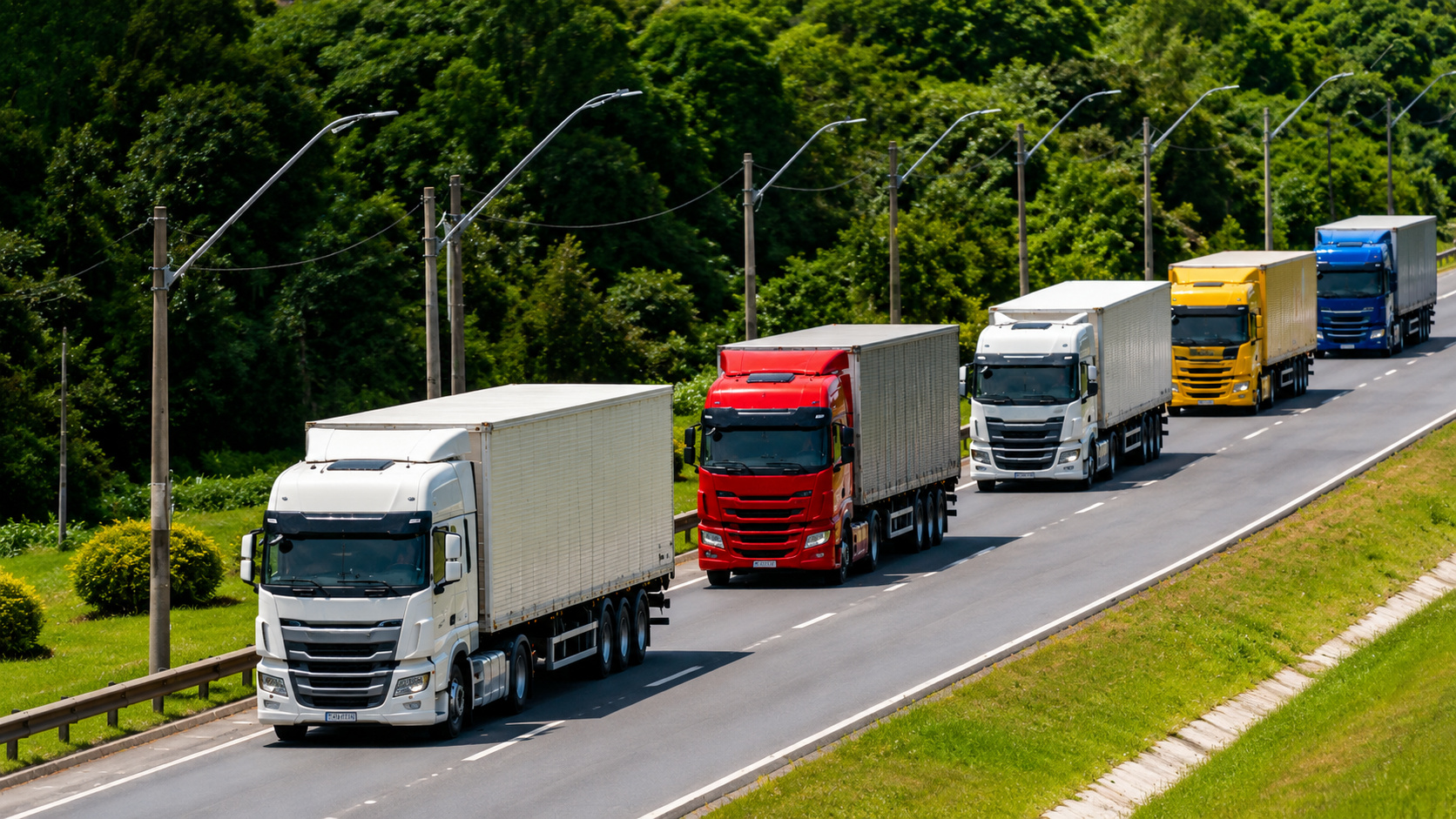
The rapporteur of the proposal, Deputy Da Vitória (PP-ES), stated that the creation of Renovar for the replacement of old vehicles in the country will be essential for the proper functioning of the economy, as over 60% of national transport logistics is concentrated in the road mode, requiring more attention to this segment of the system.
The Renovar program will thus guarantee a new perspective of a more modern national transport system over the next few years.
MP That Approves Renovar Program Aims to Reduce Logistics Costs, Modernize National Fleet, and Ensure Better Quality in Brazilian Transport System
The MP that approved the Renovar program this week has clear objectives regarding the impact of replacing the fleet of vehicles in the national transport system at the end of the project, which are: reducing logistics costs through the dismantling and destruction of old vehicles; innovation and creation of new business models.
And, most importantly, the improvement that will be promoted in the work of transport professionals. All these measures will be managed by the National Traffic Council (Contran), which will define the procedures to be adopted.
Thus, the rapporteur deputy of the MP commented on the program’s objective and said that “Considering that almost a quarter of our trucks are over thirty years old, and therefore consume more diesel and have more costly maintenance, their replacement by more modern vehicles has the potential to substantially impact freight costs, which in turn have a direct influence on inflation rates.”
Data from the National Traffic Department of the Ministry of Infrastructure indicates that there are more than 3.5 million trucks in circulation in Brazil, of which about 26% are over 30 years old, thus proving the need for a replacement and a true renewal of the fleet of old vehicles in the national territory.






Be the first to react!