Portuguese
  Spanish


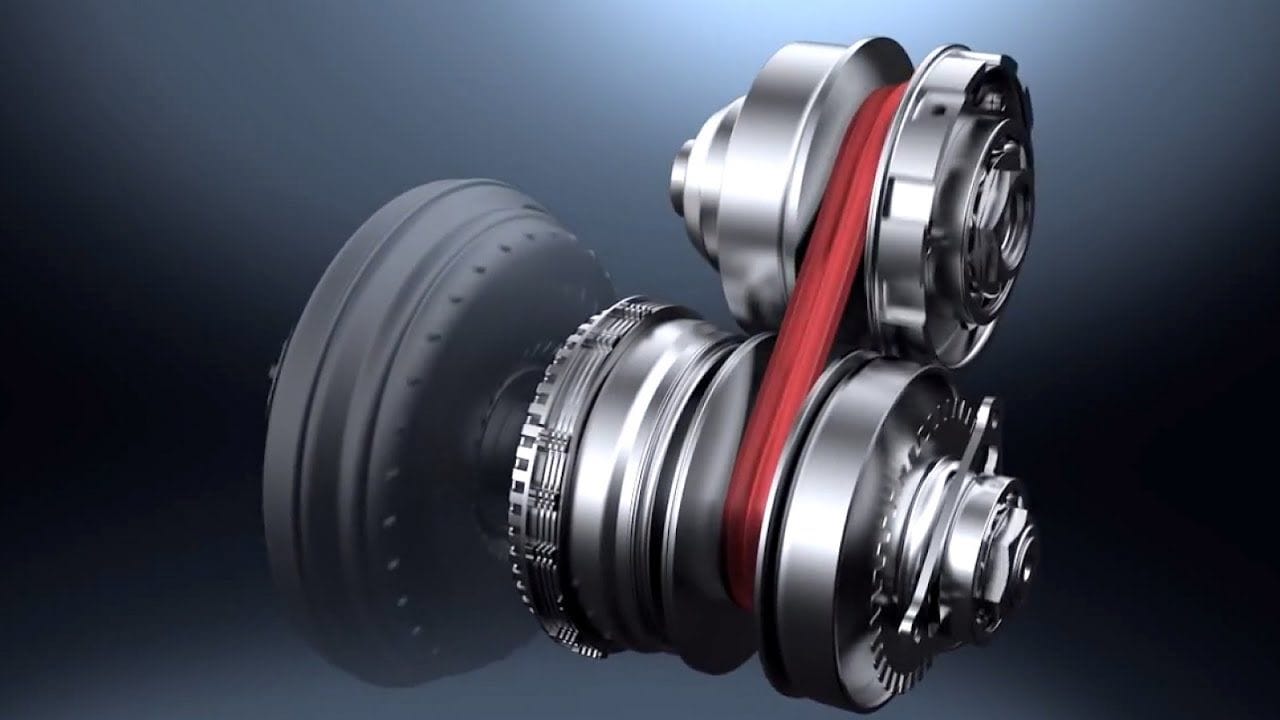

CVT Transmission, An Innovation That Changed The Way We Drive, It All Started Back In 1490 With A Sketch By Leonardo Da Vinci. But It Was Milton Reeves In 1879 Who Got His Hands Dirty And Created A System Of Adjustable Pulleys, Revolutionizing The Industry.
The CVT, or continuously variable transmission, is that type of gearbox that makes driving smoother than butter on hot bread. It uses pulleys and a belt to create a feeling of “infinite gears,” without the jolts of conventional gear shifts. And it’s not just in cars, you know? Modern scooters also use this technology.
The Evolution Of The CVT And Its Challenges
In the 1950s, the Dutch company DAF put the CVT in cars with the Variomatic system. It was simple, but the belts were a headache. It wasn’t until the 1980s that things got serious, with the invention of more durable belts, and the Subaru Justy was one of the pioneers to use the modern CVT.


The CVT of today is an efficient piece of machinery and helps save fuel, but not everyone likes it. Some people find driving with a CVT somewhat boring, and some automakers even simulate gear shifts to liven things up.
-
End of an era in Brazil: beloved sedan by Brazilians is discontinued despite having a 2.0 engine with 151 hp, CVT transmission, 466-liter trunk, and up to 650 km of range.

-
New Law Proposal in Brazil Could Heavily Penalize Drivers: Dangerous Overtaking May Become a Serious Offense with Fines Increased Tenfold and a 12-Month License Suspension; Update on 2026 Progress

-
Electric Revolution: Watts W125 Motorcycle Offers 160 km Range, 90 km/h Speed, and Affordable Price Starting at $3,000
-
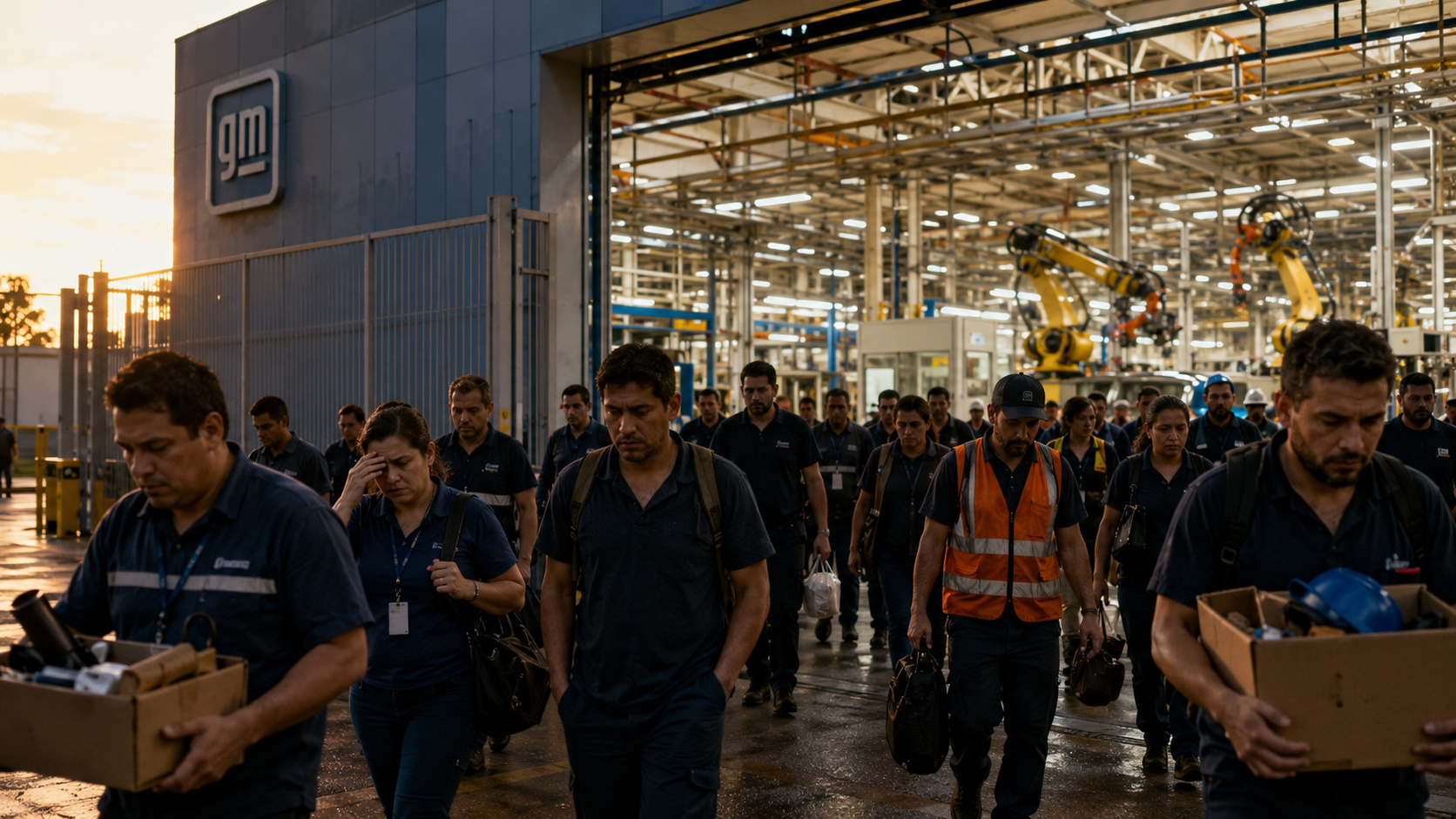
General Motors Replaces Over a Thousand Workers with 50 Cobots at Electric Vehicle Plant, UAW Union Criticizes Move Amid Industry’s Automation Push


Variable Transmissions In Heavy Industry
In heavy industry, the CVT also makes an appearance, but in a different way. We have the hydrostatic transmission, used in machines like harvesters, and electric traction, common in trains and ships. These systems are more robust and can handle the strain of heavier work.
In the world of tractors, variable transmission is also a success. The German company Fendt, for example, created a system that combines hydraulics with gears, showing that the CVT can be strong and resilient.