






 Portuguese
  Spanish


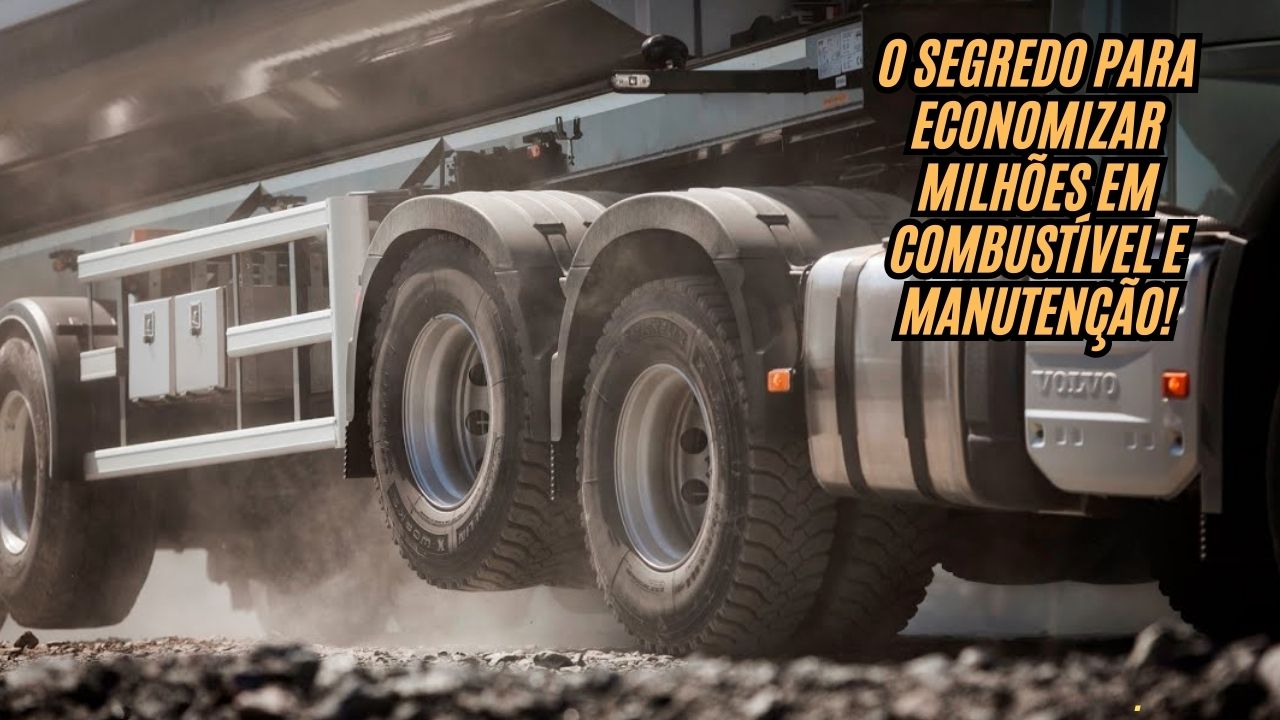

Suspended Axle Trucks Have a Differential That Many Have Noticed on the Roads: One or More Wheels That Do Not Touch the Ground Under Certain Conditions. But What Is the Logic Behind This? Let’s Explore the Details of This Technology That Is Changing the Transportation Landscape.
First of all, it is important to understand the role of axles in trucks. Basically, the axle connects two wheels and supports the weight of the vehicle, ensuring that it can roll with stability. There are different types of axles: steering, drive, additional, and suspended.
Suspended axles, specifically, can be raised or lowered as needed. This functionality is particularly useful for reducing fuel consumption and tire wear when the truck is empty or transporting light loads. On the other hand, in heavy load situations, the axle can be lowered to improve stability, traction, and weight distribution.
Why Are Suspended Axle Trucks So Important in Transportation?
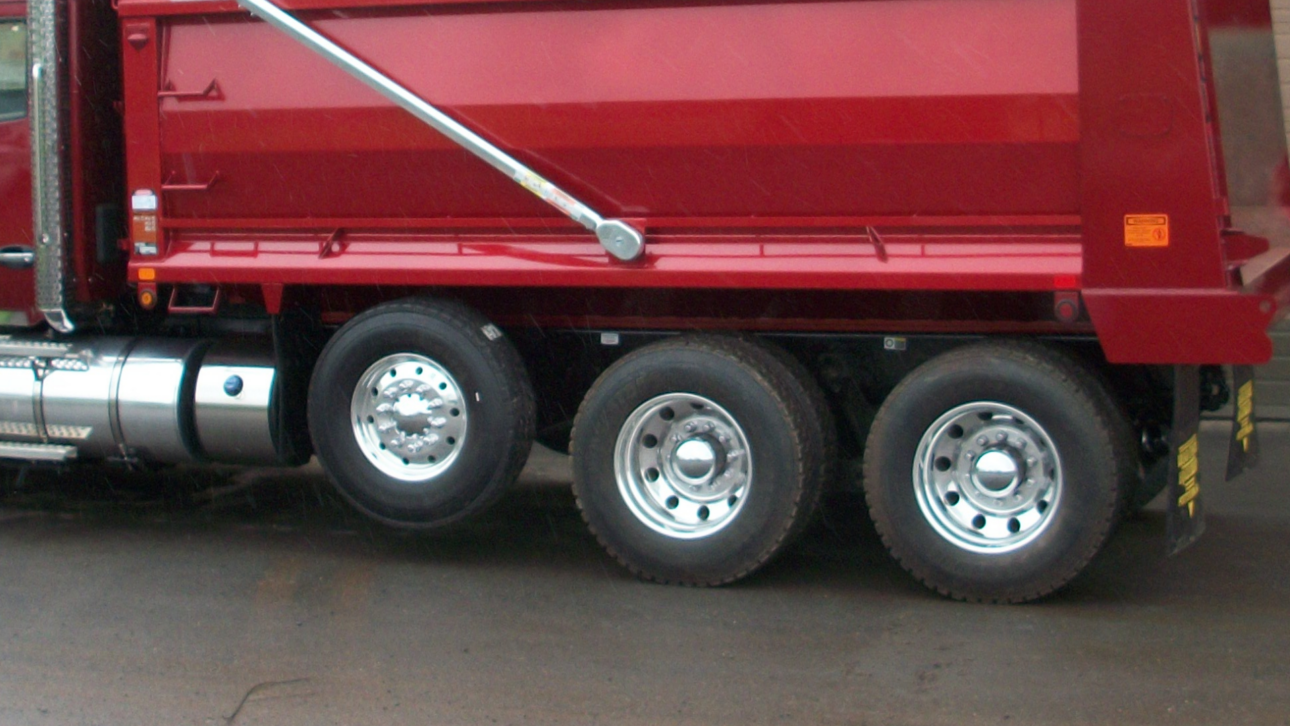
The use of suspended axle trucks brings several advantages to the transportation sector. Below, we highlight the main benefits of this technology:
-
Why can the crane operator only obey the correct signalman on the construction site: among dozens of workers, a hand raised by the wrong person can confuse the maneuver and turn a load of tons into an immediate risk.

-
What changes with the new public transportation rules that can reduce pressure on fares and pave the way for zero fare in Brazil?
-
Argentina confirms Belgian giant to lead strategic Paraná River waterway and promises to reduce logistical costs on one of South America’s most important routes
-
MBRF surprises the logistics sector by demonstrating how Artificial Intelligence can directly influence deliveries throughout Brazil by reorganizing distribution routes in seconds, optimizing fleet usage, reducing logistics costs, and speeding up product arrivals even in the face of unforeseen road incidents.


1. Fuel Consumption Efficiency
Keeping a suspended axle when it is not needed reduces tire friction with the road, decreasing fuel consumption. This is crucial in a sector where savings in operational costs make all the difference.
2. Reduced Tire Wear
By raising unnecessary axles, the tires do not suffer wear. This extends the lifespan of the components, reducing maintenance expenses.
3. Better Weight Distribution
When the load is heavy, lowering the suspended axle helps distribute the weight among the tires, ensuring greater adherence to the road and avoiding damage to the infrastructure, such as sinking in soft terrain.
4. Compliance with Regulations
Each jurisdiction has specific weight limits per axle. The ability to adjust the axles allows drivers to remain within the legal limits, avoiding fines and legal issues.
5. Greater Stability and Safety
By lowering the suspended axle, the truck gains more contact points with the ground, increasing stability during turns and maneuvers. This reduces the risk of accidents, especially on challenging roads.
How Does a Suspended Axle Work?
Suspended axle trucks utilize an air suspension system. The driver can control the raising or lowering of the axle via a button in the cabin. When the button is activated, air is pumped into the suspension airbags, raising the axle. When deactivated, air is released, allowing the axle to lower.
This technology is especially useful in long-distance trucks, dump trucks, and construction vehicles, where the load can vary significantly.
Suspended Axle Trucks: An Intelligent Solution for Modern Transportation
Suspended axle trucks are a key piece to optimizing transportation. They offer savings, safety, and compliance with regulations, while extending the lifespan of vehicle components.
This technology stands out as an indispensable ally for drivers and companies seeking efficiency and sustainability on the roads.
If you are curious about this technology, pay attention to the operations of trucks around you. You will certainly see a suspended axle truck in action!


