






 Portuguese
  Spanish


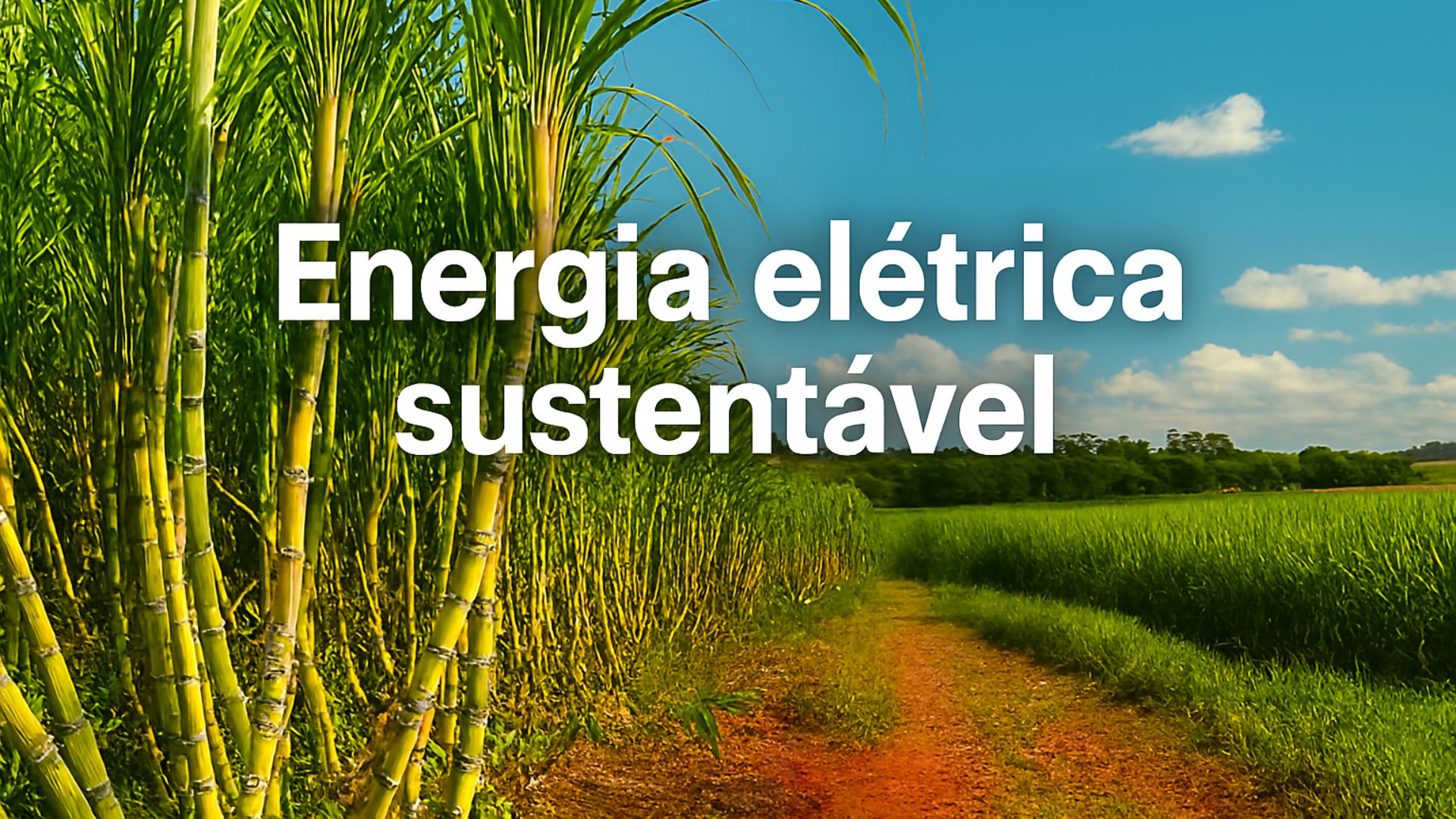

Bioelectricity From Sugarcane Ensures Clean Energy in Droughts, Strengthens Brazil’s Energy Security, and Boosts Sustainability With Renewable Generation
On October 21, 2025, Embrapa released an article about a study that reinforces the strategic role of sugarcane in generating sustainable electric energy during dry periods.
The research, which according to the organization was published in the journal Renewable Energy, highlights the potential of sugarcane bagasse as a source of bioelectricity, capable of significantly contributing to Brazil’s energy security.
Sugarcane as a Source of Sustainable Electric Energy
In times of water scarcity, sugarcane bagasse emerges as an efficient and renewable solution to maintain energy supply. Sugarcane is one of the most important agricultural crops in Brazil, with a strong presence in the production of sugar, ethanol, and energy.
-
Brazil to Hold First Auction for Batteries to Store Solar and Wind Energy from the Northeast

-
Brazil on Track for Record 40.7 Billion Liters of Ethanol in 2026/27 Season, Driven by Corn Ethanol
-
Petrobras Approves $1.2 Billion Refinery in Brazil to Produce Aviation Fuel and Diesel from Plants
-
Brazilian scientists are simultaneously advancing two research projects on clean hydrogen and driving solutions that could transform the energy matrix, enhance industrial competitiveness, and accelerate large-scale emission reduction targets.

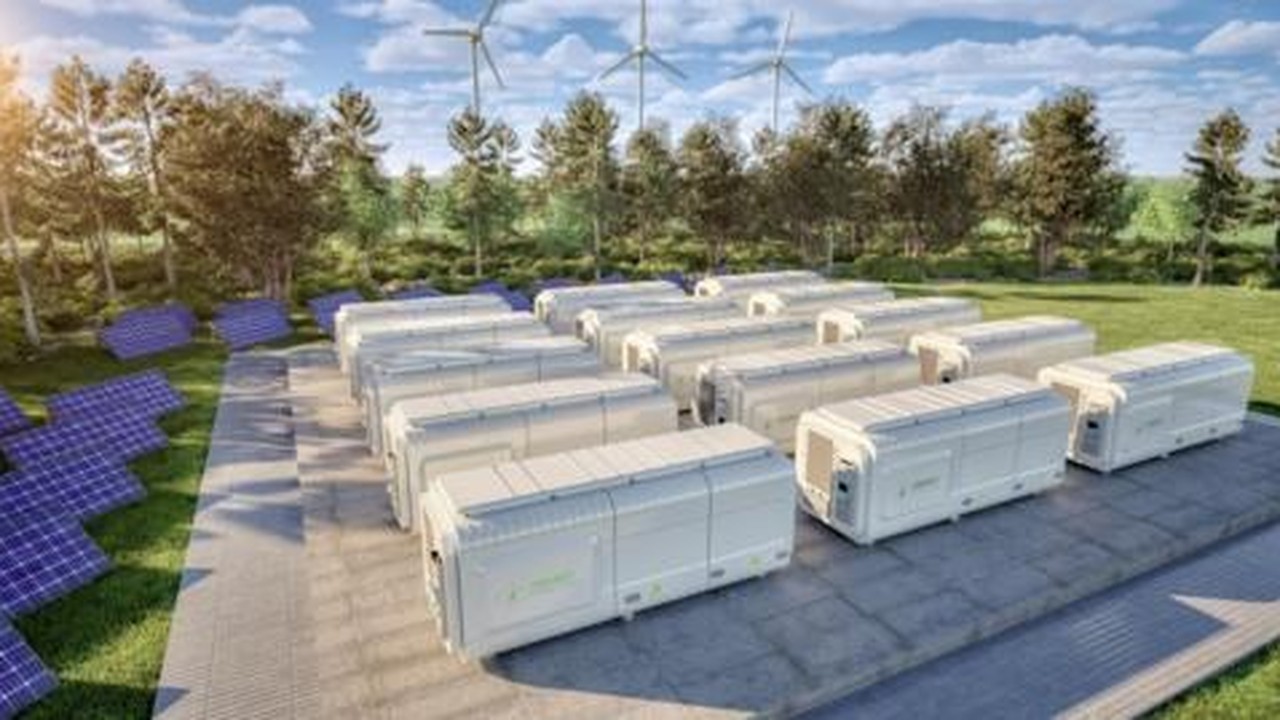


The study shows that the bagasse generated after juice extraction can be used as biomass for generating bioelectricity, promoting the sustainability of the national energy matrix.
Bioelectricity from sugarcane is clean, renewable, and available precisely during dry periods, when hydroelectric plants face difficulties.
This factor makes sugarcane biomass a strategic ally for the electricity sector, especially between April and September, when the levels of reservoirs in hydroelectric plants tend to drop.
Energy Potential of Sugarcane Bagasse
The study analyzed the energy potential of sugarcane bagasse in different producing regions. The researchers identified that, in addition to being abundant, the bagasse has favorable physicochemical characteristics for generating sustainable electric energy.
The released study also highlights that Brazil has sufficient infrastructure and technology to expand the use of bioelectricity generated from sugarcane. The generation of energy from sugarcane biomass can be integrated into the national system, contributing to the diversification of the energy matrix and reducing dependence on non-renewable sources.
The bioelectricity generated from sugarcane bagasse represents a renewable source with very low environmental impact, especially concerning emissions. At the same time, it contributes to the diversification and strengthening of the resilience of the Brazilian electric matrix.
As it comes from a waste already available in food production (such as sugar) and renewable biofuels (such as ethanol), this energy alternative assumes a strategic role.
According to Vinicius Bufon, a researcher at Embrapa Meio Ambiente (SP), this set of characteristics reinforces its importance for energy security and for the transition towards a more sustainable and balanced system.
Bioelectricity and Energy Security in Critical Periods
Energy security is one of the pillars of Brazilian energy policy. Ensuring a continuous energy supply, even in adverse situations such as prolonged droughts, is essential for the country’s economic and social development.
Bioelectricity strengthens the resilience of the national electric system.
Among the main benefits highlighted by the study are:
- Reduction of pressure on hydroelectric plants during dry periods.
- Utilization of agricultural waste, promoting a circular economy.
- Distributed generation of energy, with less environmental impact.
- Encouragement of technological innovation in the sugar-energy sector.
These factors make bioelectricity a strategic alternative to guarantee the sustainability and stability of energy supply in Brazil.
Regional Production and Expansion of Bioelectricity
The study also analyzed the regional production of sugarcane bagasse and its expansion potential. The Southeast and Central-West regions concentrate a large part of the national production, with highlights for the states of São Paulo, Minas Gerais, and Goiás.
The existing infrastructure in the plants of these regions allows for the expansion of sustainable electric energy generation with low additional costs.
Moreover, public policies aimed at encouraging bioelectricity can accelerate the adoption of this technology in other producing regions, such as the Northeast, expanding energy coverage and promoting regional development.
Sustainability and Circular Economy in the Sugar-Energy Sector
Sustainability is one of the main values associated with bioelectricity generated from sugarcane. The reuse of bagasse as an energy source reduces waste, decreases greenhouse gas emissions, and promotes more responsible agricultural practices.
Energy generation from agricultural waste is a clear example of a circular economy applied to the energy sector.
In addition to environmental benefits, bioelectricity also contributes to job creation, strengthening the production chain, and enhancing national agriculture.
Challenges to Expand Sustainable Electric Energy From Sugarcane
Despite the advances, Embrapa’s study points out some challenges for consolidating bioelectricity as the primary source of sustainable electric energy in Brazil. Among them are:
- Investments in infrastructure to expand generation capacity.
- Efficient integration into the national energy system, with incentive policies.
- Technical training of professionals and rural producers.
- Adoption of modern technologies to increase energy efficiency.
With strategic planning and government support, Brazil can become a world reference in generating sustainable electric energy from sugarcane.


Paths to Strengthen Energy Security With Bioelectricity
The study shared by Embrapa reinforces the role of sugarcane as a strategic source of sustainable electric energy in Brazil. The bioelectricity generated from bagasse is an efficient, renewable solution aligned with the principles of sustainability and energy security.
In times of water crisis, Brazil can count on the strength of sugarcane to keep the lights on. The growing adoption of this technology represents an important step towards energy independence, environmental preservation, and strengthening the national economy.
With adequate investments and effective public policies, bioelectricity can transform the Brazilian electricity sector and position the country as a global leader in renewable energy.




