Portuguese
  Spanish


Discover How CineSolar Unites Culture and Sustainability, Bringing the Use of the Country’s Solar Energy to Communities and Promoting Environmental Education.
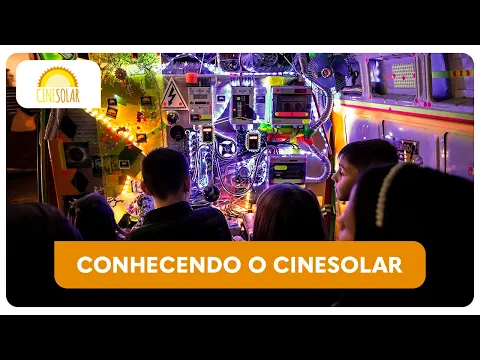
The CineSolar arrived in Canoas as an inspiring example of innovation, sustainability, and cultural inclusion.
From the beginning, the project demonstrates how the country’s solar energy can be used creatively and accessibly, uniting art, science, and environmental awareness.
Thus, more than just a cinema, it transforms into a educational and sustainable experience, practically showcasing the power of renewable sources.
The Birth of a Sustainable Idea
The CineSolar emerged in 2013, when a group of artists and technicians decided to combine art and sustainability for a common purpose.
Since then, the project has traveled across Brazil, bringing cinema to urban and rural communities, schools, squares, and villages that often had never received a film screening.
In this way, it democratizes access to culture and expands the debate about the conscious use of the country’s solar energy.
Additionally, the unique feature of the project lies in its completely self-sufficient structure.
The van uses photovoltaic panels to generate all the electricity required for screenings and interactive activities.
Thus, it avoids the use of fossil fuels and reduces pollutant gas emissions, reinforcing its commitment to the environment.
-
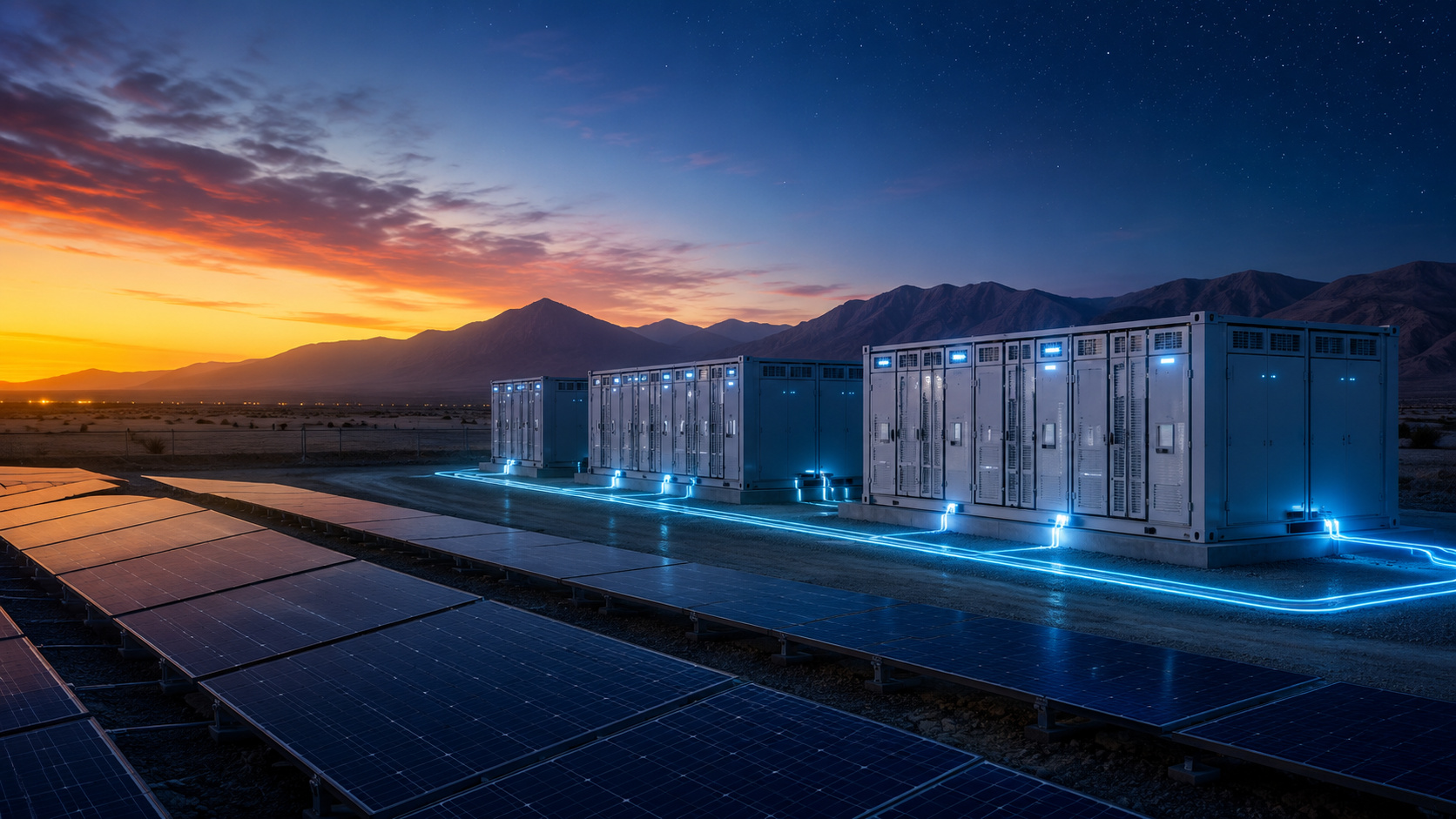
Giant Batteries Take Center Stage in Chile Auction as Company Offers 960 GWh of Solar Energy for Nighttime Use, Aiming to Stabilize Solar Power Supply

-
World’s Largest Engie Solar Plant in Brazil Highlights Billion-Dollar Energy Waste Issue: Company Considers Batteries and Bitcoin Mining to Avoid Wasting Production

-
Over 60 Tractors Take to the Streets in Lopera as Solar Parks Compete with Olive Groves, Affecting 13,000 to 100,000 Trees According to Conflicting Reports
-
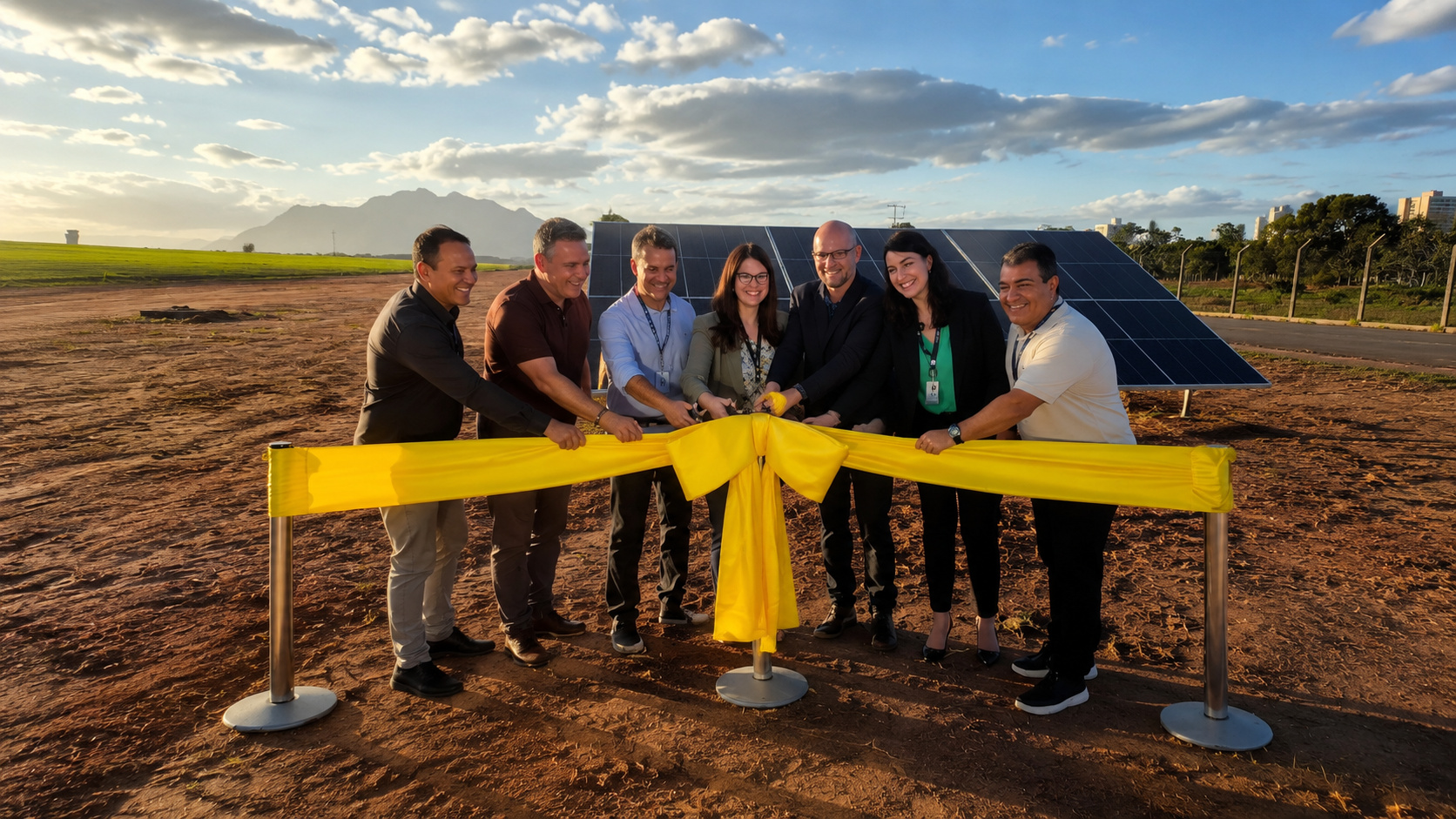
Brazil’s Vitória Airport to Launch Solar Plant Covering Area of 10 Soccer Fields, Boosting Clean Energy and Cutting Costs


In Canoas, the screenings took place at Praça da Contel, in the Guajuviras neighborhood.
At this event, the audience watched free sessions, featuring accessibility resources, popcorn, and guided tours of the van.
Therefore, the experience united learning, leisure, and awareness in one space.
The Value of the Country’s Solar Energy and the Advancement of Sustainability
The country’s solar energy has emerged as one of the most promising sources of the Brazilian energy matrix.
After all, Brazil has high solar radiation levels and vast areas suitable for the installation of photovoltaic systems.
As a result, the national potential for clean energy generation is immense.
In recent years, public and private investments have propelled the expansion of this renewable source.
In general, projects like CineSolar show that the country’s solar energy can be applied in various fields, including culture and environmental education.
In this way, the itinerant cinema symbolizes the energy transition that Brazil is experiencing, bringing technological innovation closer to the population.
Furthermore, the use of the country’s solar energy represents a significant cultural change.
Once seen as a costly and distant alternative, it now consolidates itself as a viable and sustainable option.
Thanks to the reduction in the costs of photovoltaic panels and the creation of incentive policies, solar energy has become more accessible.
Thus, the population has begun to understand its ecological and economic value.
Historically, the use of solar energy began to expand in Brazil from the 2010s.
The combination of technological advances and government incentives was essential for the sector’s growth.
Therefore, CineSolar arises as a reflection of this movement, carrying the message of sustainability to places where innovation still seemed distant.
Culture, Inclusion, and Social Transformation
The CineSolar goes far beyond a simple cinema project.
In fact, it is a powerful tool for social and cultural transformation.
In each city visited, the project brings communities together, stimulates dialogue about sustainability, and awakens curiosity about solar energy.
Thus, cinema becomes a bridge between technology, art, and citizenship.
During the screenings, the audience not only watches the films but also participates in educational activities.
Children and young people learn, for example, how sunlight is converted into electricity through photovoltaic panels.
Additionally, recycling and conscious consumption workshops enhance understanding of each person’s role in environmental preservation.
In Canoas, the event was made possible thanks to the partnership between CPFL RGE, the CPFL Institute, and the Municipal Government, facilitated by the Rouanet Law.
Moreover, the event received support from Brazucah Produções, the Ministry of Culture, and the Federal Government.
This collaboration between the public and private sectors reinforces the importance of joining efforts to promote sustainable and inclusive projects.
The Legacy of Solar Energy and the Challenges for the Future
The arrival of CineSolar in Canoas represents more than just a cultural event.
On the contrary, it symbolizes the potential of Brazil to become a global reference in clean energy.
When creativity aligns with technology and education, concrete opportunities for social and environmental transformation arise.
However, it is important to acknowledge that there are still challenges.
The initial cost for the installation of solar panels remains high for part of the population.
Despite this, projects like CineSolar show that it is possible to popularize the use of the country’s solar energy in an educational and inspiring manner.
Through cultural actions, sustainability comes closer to people’s daily lives.
Furthermore, initiatives like this can stimulate new ecological enterprises.
As more institutions recognize the benefits of clean energy, the number of schools, hospitals, and companies adopting renewable solutions to reduce costs and environmental impacts grows.
Thus, CineSolar becomes a replicable and inspiring model.
The Brazilian energy transition goes far beyond the exchange of sources.
It involves cultural, social, and economic changes.
When CineSolar projects a film, it also projects an idea: that the sun can be a source not only of energy, but also of art and awareness.
A Cinema That Shines with the Sunlight
By screening films in squares and communities, CineSolar transforms each projection into a collective and educational experience.
In this way, the project demonstrates that the country’s solar energy can illuminate not only screens but also minds and hearts.
In Canoas, the event became an invitation to reflection.
After all, by showing that it is possible to generate electricity solely from sunlight, the project awakens hope for a more balanced future.
Additionally, it encourages the population to rethink their habits and value the responsible use of natural resources.
Finally, CineSolar proves that the country’s solar energy is more than just a technology: it is a pathway to unite art, science, and citizenship.
Every ray of sunlight captured by its panels represents a new possibility to transform energy into culture and culture into awareness.